

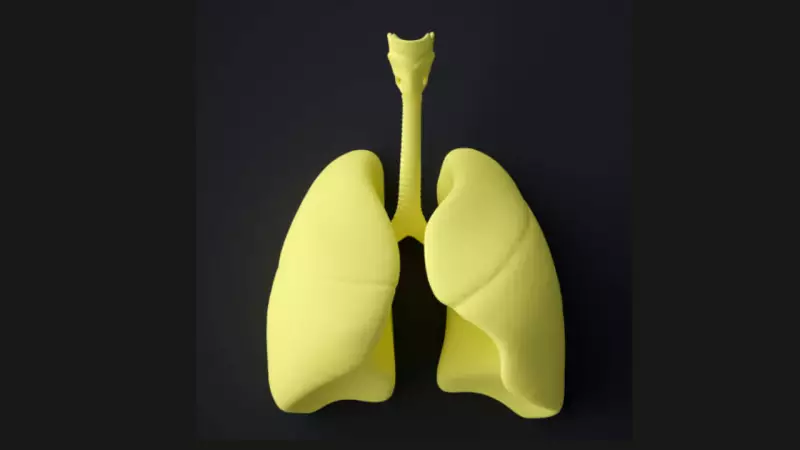
As the winter chill sets in across India, many people experience heavier breathing and increased chest discomfort. For the nation's vast population of tobacco users, these seasonal changes can significantly worsen existing respiratory symptoms, turning the colder months into a critical period for lung health.
The Chilling Link Between Smoking and Lung Cancer
Smoking remains the undisputed leading cause of lung cancer deaths globally, responsible for approximately 85% of all cases. The situation in India is particularly stark. Nearly 100 million Indian adults are smokers, with about 71.8 million using bidis and 37.5 million smoking cigarettes. This makes India one of the largest contributors to global tobacco consumption.
Each cigarette or bidi delivers a cocktail of harmful substances and nicotine deep into the lungs, causing gradual damage and dramatically raising the risk of severe illness over time. However, quitting is far from a simple decision. Tobacco addiction is a complex battle involving both mind and body. Powerful cravings, ingrained routines, and the perceived comfort of smoking create a relentless cycle that even the most determined individuals struggle to break.

Aiding the Quitting Journey with Nicotine Replacement
For India's 267 million tobacco users, the path to quitting can be made less daunting with support. Nicotine Replacement Therapy (NRT), which includes products like gums and patches, plays a vital role. These alternatives provide the body with a controlled, safer dose of nicotine without exposing the lungs to toxic smoke and tar.
By steadily reducing nicotine cravings and easing difficult withdrawal symptoms, NRT can make the quitting process more manageable. This support is especially crucial during winter, when heightened stress and aggravated breathing problems often lead people to smoke more.
Managing Pain for Those Battling Lung Cancer
For patients already diagnosed with lung cancer, the challenge shifts to pain management—a critical aspect of their care. Pain can be debilitating, and both ongoing tobacco dependence and sudden nicotine withdrawal can intensify its perception. For patients who continue to smoke, NRT can help alleviate withdrawal-related discomfort, which otherwise complicates pain control and overall symptom management.
This approach highlights two key areas in clinical practice: supporting tobacco cessation and addressing cancer-related pain. While NRT aids in smoking cessation, analgesics like buprenorphine are employed to manage pain in advanced illness, offering much-needed relief and restoring dignity.
In summary, supporting smoking cessation and effective pain management are parallel and essential steps toward improving quality of life. NRT empowers smokers to reduce their cancer risk and move toward a healthier future, while appropriate pain relief provides comfort for those in advanced stages of illness. Every step toward better health promises easier breathing and brighter days ahead. It is essential to talk to your doctor to explore the treatment options best suited for your individual needs.
Inputs from Dr. Awantash R. Tripathi, Chest and Critical Care Physician and Interventional Bronchoscopist, P.D. Hinduja National Hospital & Medical Research Centre.






