

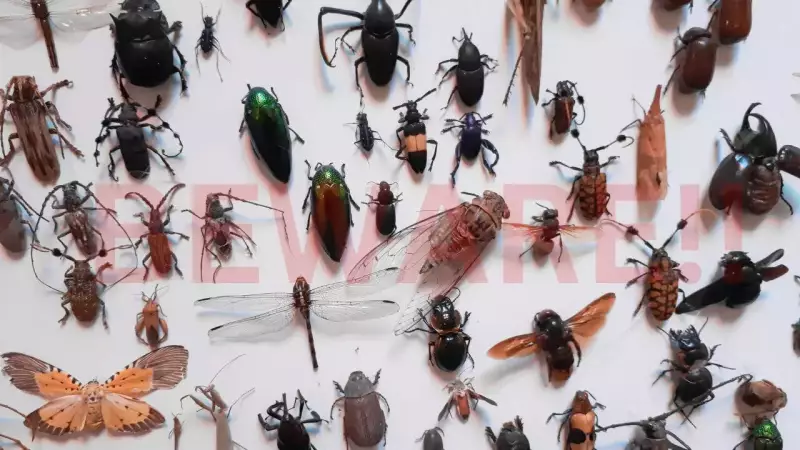
When we imagine dangerous animals, our minds often conjure images of large predators like lions or crocodiles. However, some of the most significant threats to human life come from creatures far smaller in size: insects. Despite their tiny stature, these six-legged beings wield an enormous influence on global health and safety, responsible for transmitting deadly diseases, delivering venomous stings, and even causing indirect fatalities through agricultural devastation.
The Silent Killers: Disease-Carrying Insects
Leading the list of the world's deadliest insects is the mosquito. While their bites might seem like a minor nuisance, certain species, such as the Anopheles mosquito, act as vectors for fatal illnesses including malaria, dengue fever, Zika virus, and West Nile virus. According to the World Health Organisation, mosquito-borne diseases cause over 700,000 deaths every year. Their ability to detect human presence through carbon dioxide and body heat makes them exceptionally efficient at finding hosts.
In sub-Saharan Africa, the tsetse fly presents another grave danger. This insect transmits a parasite named Trypanosoma brucei, which leads to African sleeping sickness. The disease starts with symptoms like fever and headaches but can progress to severe neurological damage and death if not treated. Control measures have reduced cases, but outbreaks persist in rural areas with limited healthcare access.

Across Latin America, the nocturnal kissing bug carries the parasite Trypanosoma cruzi, causing Chagas disease. This condition can remain hidden for years before leading to severe heart and digestive complications, claiming thousands of lives annually.
Fleas, though small, have a dark historical legacy. They were the primary vectors of the Black Death plague in medieval Europe, which killed millions. Even today, they can transmit diseases like plague and typhus, remaining a health concern in several regions.
Venomous Threats: Stings That Can Kill
Not all dangers come from disease. Some insects pose a direct physical threat through their venom. For most people, a bee or wasp sting is painful but not life-threatening. However, for individuals with allergies, a single sting can trigger a fatal anaphylactic reaction.
Africanised honey bees, notoriously called 'killer bees', are highly aggressive and known to attack in large swarms. Similarly, the Asian giant hornet, sometimes dubbed the 'murder hornet', possesses venom potent enough to cause multiple organ failure. These insects are responsible for dozens of fatalities worldwide each year.
Fire ants, originally from South America but now found in many parts of the world, are another major concern. They attack en masse, injecting venom that causes intense pain and swelling. In susceptible individuals, this can lead to anaphylactic shock, a medical emergency requiring immediate treatment.
Australia is home to the aggressive jack jumper ant, whose sting is known to cause severe allergic reactions and has been linked to several deaths. In South America, the deceptively fuzzy assassin caterpillar (Lonomia obliqua) carries a venom that disrupts blood clotting, leading to internal bleeding and recorded human fatalities.
Indirect Dangers and Global Impact
The threat from insects isn't always direct. Locusts, for example, do not attack humans but form colossal swarms that devastate crops and farmland. This destruction leads to famine and food shortages, which historically have caused significant human mortality. Their impact underscores how insects can threaten survival through environmental and economic disruption.
Understanding the behaviour, habitats, and risks associated with these lethal insects is not just academic—it is a critical component of global public health and safety strategies. From using insect repellent and bed nets to control programmes and public awareness campaigns, knowledge is the first line of defence against these tiny but formidable foes.






