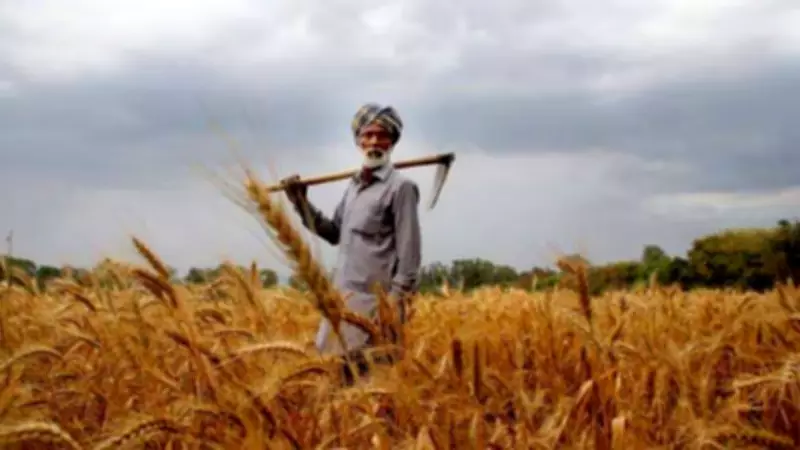
A recent field survey conducted by PAN (Pesticide Action Network) India has uncovered a distressing reality for farmers in Maharashtra's Yavatmal district, where hazardous pesticide use continues to inflict severe health consequences. The study, titled 'Field Survey: Pesticide Use and Impacts in Yavatmal, India', was published on January 31, 2026, highlighting near-universal pesticide application coupled with unsafe handling and disposal methods.
Survey Methodology and Historical Context
The survey spanned from 2022 to 2025, covering 45 villages and involving 1,485 farmers, utilizing the community-based Pesticide Action Monitoring approach. This research recalls the tragic incidents of 2017 and 2018, when thousands of cotton farmers and agricultural workers in the region suffered pesticide poisoning, with Yavatmal recording the highest fatalities. Dr. Narasimha Reddy Donthi, senior advisor at PAN India, emphasized that many farmers remain unaware that their health issues stem directly from pesticide exposure.
Pervasive Pesticide Use and Unsafe Practices
Out of 1,444 respondents, an overwhelming 1,402 confirmed using pesticides, with nearly half having employed them for over a decade, and 47.95% reporting usage for five to ten years. While pests were the primary target for most farmers, 21.01% also applied pesticides against plant diseases, and 7.19% used them to combat weeds.

Storage and Disposal Hazards
The survey identified widespread unsafe storage and disposal practices. One-third of respondents stored pesticides inside their homes, posing direct risks to family members. Among 1,020 participants, 21.76% admitted to decanting pesticides into other containers, while 12.56% reused pesticide containers for storing water, food, or household items. Disposal methods were equally concerning, with 60.37% burning containers and 34.58% burying them. For leftover pesticides, 72.51% resorted to burning, a practice that releases toxic fumes and pollutants into the air, endangering humans, animals, and the environment.
Health Impacts and Inadequate Medical Support
The report documents both acute and chronic health problems among farmers. Acute symptoms included dizziness, nausea, vomiting, skin irritation, and breathing difficulties. Chronic issues encompassed persistent weakness, neurological disorders, and long-term illnesses linked to prolonged exposure. Emergency medical support was found to be severely inadequate, with delays in hospital access and a shortage of trained healthcare professionals in rural areas exacerbating the crisis.
Lack of Protective Measures and Awareness
Personal protective equipment (PPE) usage was rare, with farmers citing cost, unavailability, and discomfort as primary barriers. Training on PPE was limited, and procurement remained irregular. Even when training was provided, recommendations were often not followed consistently. Access to pesticide labels and informational leaflets was also restricted, with many farmers unable to read or comprehend the technical jargon, further compounded by language barriers.
Chemical Hazards and Crop Application
Farmers reported relying heavily on pesticide retailers for advice rather than scientific guidance. The most frequently used chemical was Monocrotophos, employed by nearly half of the respondents. Other commonly utilized products included Imidacloprid, Acephate, Fipronil, Flonicamid, Emamectin Benzoate, Glyphosate, Lambda Cyhalothrin, and Paraquat dichloride.
Highly Hazardous Pesticides Identified
Nearly 19 of the active ingredients identified are classified as Highly Hazardous Pesticides (HHPs), linked to severe health risks such as genetic defects, endocrine disruption, and organ toxicity. For instance, Monocrotophos is associated with genetic damage, Glyphosate with bladder and liver toxicity and potential carcinogenicity, Acephate with endocrine disruption, Carbofuran with testicular degeneration and fatal poisoning risks, Chlorpyrifos with thyroid and liver toxicity, and Paraquat dichloride with severe lung damage if inhaled.

Agricultural Context and Recommendations
These hazardous chemicals were primarily applied to cotton, soybean, red gram, and chickpea crops, with cotton exhibiting the highest pesticide intensity. The use of alternatives was negligible, with only seven respondents reporting non-pesticide practices like traps or organic repellents. Dr. Donthi noted that awareness and access to agroecological alternatives remain critically low.
The report concludes that repeated exposure to these toxic substances, combined with weak emergency response systems, continues to leave Yavatmal farmers vulnerable to poisoning and long-term illnesses, underscoring an urgent need for intervention and education.