

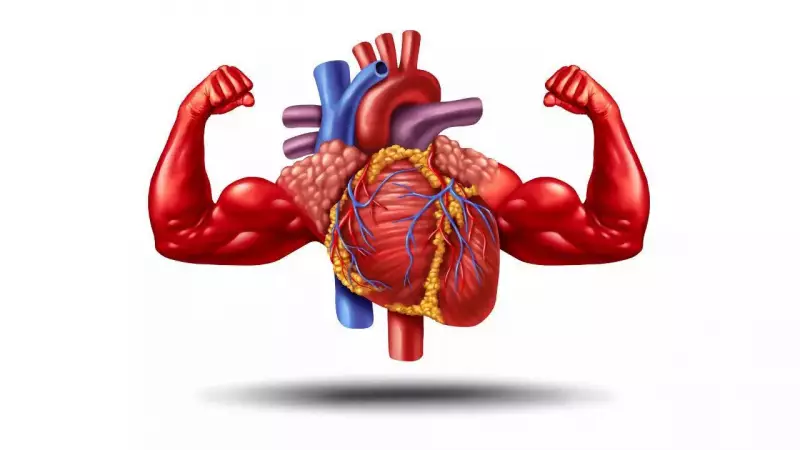
Heart disease remains a formidable adversary, standing as a primary cause of mortality for both men and women across India and the globe. While certain risk factors like family history, biological sex, or age are beyond our control, the power to significantly reduce your risk lies firmly in your hands. Embracing a heart-conscious lifestyle is your strongest shield. This involves understanding your personal risk, making informed choices, and taking proactive steps to fend off heart disease, particularly coronary heart disease, its most common form. By focusing on prevention, you can not only lower the odds of a heart attack but also elevate your overall health and vitality.
Your Action Plan: 10 Pillars for Heart Health
Drawing from the expert recommendations of the National Heart, Lung, and Blood Institute (NHLBI), here are ten foundational habits you can integrate into your daily life starting now to fortify your cardiovascular health.
1. Prioritise Quality Sleep
Compromising on sleep doesn't just leave you tired; it jeopardises your heart. Inadequate or poor-quality sleep is linked to higher risks of hypertension and heart disease. Aim for a consistent 7 to 9 hours of rest each night. Establish a regular sleep-wake schedule, even on weekends. Incorporate daily exercise, but avoid vigorous activity 2-3 hours before bed. Also, steer clear of caffeine and nicotine, especially later in the day.

2. Maintain a Healthy Weight
Keeping your weight in check is crucial for preventing a host of ailments, including heart conditions. Opt for wholesome snacks like fruits, vegetables, yoghurt, or nuts over sugary, high-calorie alternatives. Make water your primary beverage. Commit to at least 150 minutes of moderate aerobic activity (like brisk walking) or 75 minutes of vigorous exercise (like running) weekly. Keeping a simple food log can heighten your awareness of eating patterns.
3. Adopt a Heart-Healthy Diet
What you eat directly impacts your heart. A balanced eating plan can lower high blood pressure and improve cholesterol. Consider following the Dietary Approaches to Stop Hypertension (DASH) plan as a lifelong guide. Become a label reader, choosing foods lowest in saturated fat, sodium, and added sugars. Diversify your protein with lean meats, fish once or twice a week, and at least two meatless meals weekly. Snack smart on whole fruits, unsalted rice cakes, or low-fat yoghurt.
4. Get Moving, Sit Less
Physical activity is non-negotiable for heart health. Adults should target at least 150 minutes (2.5 hours) of activity per week. Combat sedentary habits: take the stairs, park farther away, or take short walking breaks. Include muscle-strengthening activities like weightlifting, resistance bands, or yoga. If time is scarce, remember that even 10-minute bursts of activity that raise your heart rate count significantly.
5. Quit Smoking Entirely
There is no safe level of smoking. Every cigarette damages your heart and blood vessels. To quit, set a firm date and create a personal contract outlining your plan. Seek help from healthcare providers for cessation programs and products. Joining a support group, often available at hospitals or community centres, can provide crucial encouragement.
6. Keep Cholesterol in Check
Unhealthy cholesterol levels are a direct pathway to heart disease. The Therapeutic Lifestyle Changes (TLC) Program, which combines diet, activity, and weight management, is an effective strategy. Adopt a diet low in saturated fats to control LDL ('bad') cholesterol. Limit alcohol, as excessive consumption (more than two drinks daily for men, one for women) can raise total cholesterol.
7. Manage Blood Sugar Levels
Stable blood sugar is vital, especially for those with or at risk for diabetes. Base your diet on whole foods: vegetables, fruits, whole grains, lean proteins, and healthy fats. Opt for complex carbohydrates like whole grains and legumes to manage sugar spikes. Consult your doctor on how frequently you should monitor your blood sugar levels.

8. Master Stress Management
Chronic stress takes a toll on your heart. Employ healthy coping mechanisms like relaxation techniques that blend focused breathing with calming imagery. Practices like meditation and yoga are proven to lower stress, enhance mindfulness, and can connect you with a supportive community.
9. Control Your Blood Pressure
Consistently high blood pressure (above 130/80 mm Hg) is a silent threat. Get it checked at every doctor's visit. Learn to use a home blood pressure monitor correctly and maintain a tracker to log your readings. This is especially critical if you are pregnant or planning to be.
10. Embrace Self-Care and Seek Support
Remember, self-care is heart care. Daily positive actions for your health add up. Schedule that postponed doctor's appointment. Enlist family and friends to send reminders or words of encouragement for your health goals. Joining a group, like an exercise class, provides motivation and social connection, making it easier to sustain healthy habits.
(Disclaimer: This article is for informational purposes only and is not a substitute for professional medical advice, diagnosis, or treatment. Always consult a qualified healthcare provider for any health concerns.)





