

10 Potassium-Rich Foods That Outshine Bananas for Optimal Health
In today's health-conscious world, individuals are increasingly dedicated to maintaining their well-being through regular exercise and balanced nutrition. However, many people still struggle to meet their daily requirements for essential vitamins and minerals. Among these, potassium stands out as a crucial mineral vital for maintaining proper bodily functions, including muscle recovery and heart health. While bananas have long been celebrated as a go-to source for potassium, there are numerous other foods that offer even higher levels of this essential nutrient. According to data from the U.S. Department of Agriculture (USDA) and the National Institutes of Health (NIH), here are ten potassium-rich foods that can elevate your dietary intake and provide superior health benefits.
1. Kidney Beans
Kidney beans are a staple in many culinary traditions and serve as an excellent plant-based source of potassium. A single cup of cooked kidney beans contains approximately 713 milligrams of potassium. Beyond potassium, they are rich in protein and fiber, making them a functional food that helps stabilize blood sugar levels and supports long-term cardiovascular health.
2. Dried Apricots
Dried apricots are a concentrated source of nutrients due to the removal of moisture during the drying process. Half a cup (50 grams) of dried apricots provides about 1,101 milligrams of potassium. This makes them an ideal choice for regulating blood pressure and preventing muscle cramps, offering a potent alternative to fresh fruits.

3. Grapefruits
Grapefruits offer around 440 milligrams of potassium per fruit, comparable to a medium banana but with fewer calories and a higher vitamin C content. They are particularly beneficial for heart health and maintaining electrolyte balance, especially during warmer months, as highlighted by USDA recommendations.
4. Prunes
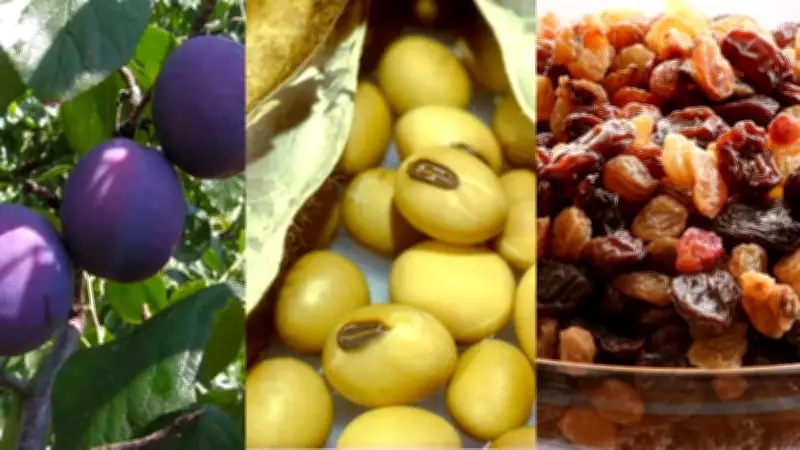
Often recognized for their digestive benefits, prunes are also packed with essential minerals. A half-cup serving of dried plums (prunes) contains approximately 637 milligrams of potassium. As a shelf-stable superfood, prunes provide a dense nutrient profile, including fiber and antioxidants, supporting heart health and serving as a longer-lasting snack option.
5. Milk
Dairy milk is a highly bioavailable source of potassium, with one cup of skimmed milk offering between 366 to 380 milligrams. Its liquid form allows for rapid mineral absorption, and it provides a balanced mix of carbohydrates, protein, and vitamin D, aiding in muscle repair and maintaining a steady heart rate.
6. Soybeans
Soybeans, whether consumed as mature beans or edamame, are nutrient powerhouses. One cup of cooked soybeans delivers an impressive 886 milligrams of potassium. They are a complete protein, containing all essential amino acids, and include isoflavones that promote bone health and help reduce LDL cholesterol levels, making them excellent for cardiovascular care.
7. Raisins
Raisins are more than just a sweet snack; they are densely packed with energy and minerals. Half a cup of raisins contains about 618 milligrams of potassium. The drying process concentrates their nutrients, offering benefits for heart and bone health, along with antioxidants that protect cells and boost immunity.
8. Potatoes
Often underestimated as mere carbohydrates, potatoes are a rich source of potassium, especially when consumed with the skin. A medium baked potato provides close to 941 milligrams of potassium, more than double that of an average banana. They also supply vitamins B6 and C, making them ideal for post-exercise recovery to replenish lost potassium and glycogen.
9. Lentils
Lentils are a superb plant-based protein source and are abundant in minerals. One cup of cooked lentils offers about 731 milligrams of potassium. They support heart health and provide folate and iron, which are crucial for energy production. Incorporating lentils into meals like soups or salads ensures a slow-release energy source that keeps you full and maintains electrolyte balance.

10. Avocados
Avocados are renowned for their healthy fats but are also a significant source of potassium. A medium-sized avocado contains between 690 to 975 milligrams of potassium, depending on its size. The combination of potassium and monounsaturated fats enhances the absorption of fat-soluble vitamins and contributes to cardiovascular health by reducing stroke risk.
By integrating these potassium-rich foods into your daily diet, you can surpass the benefits offered by bananas and achieve a more balanced and nutrient-dense approach to health. These alternatives not only provide higher potassium levels but also come with additional vitamins, minerals, and health-promoting properties that support overall wellness.





