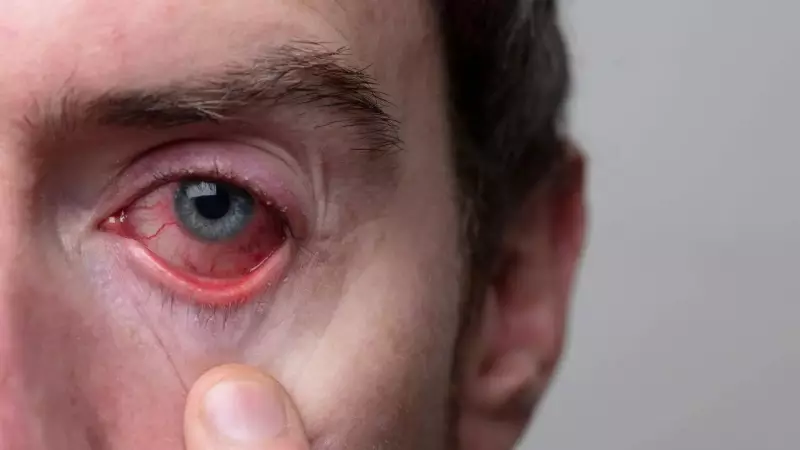
Many people consider eye examinations as simple vision checks, but they serve a far more critical purpose in monitoring your overall health. Your eyes provide a unique, non-invasive window into your body's internal systems, allowing doctors to directly observe blood vessels, nerves, and connective tissues.
A comprehensive eye exam performed by an ophthalmologist can detect early signs of serious systemic conditions long before other symptoms manifest. This makes routine eye care an essential component of preventive healthcare, not just vision correction.
Critical Health Conditions Detected Through Eye Exams
Ophthalmologists can identify a surprising range of health issues during a standard examination. The American Academy of Ophthalmology emphasizes that a thorough check-up can reveal subtle changes indicating major health risks.

Brain tumors and aneurysms often increase pressure inside the skull, which manifests as swelling of the optic nerve, changes in pupil size, or loss of peripheral vision. Sometimes, vision changes are the first noticeable symptoms of a brain tumor. Similarly, an aneurysm—a bulging blood vessel wall—can cause sudden blurriness, double vision, or one-sided headaches, with early detection being potentially life-saving.
Diabetes and heart disease frequently show early warning signs in the eyes. Diabetes can damage retinal blood vessels, causing diabetic retinopathy, where vessels leak fluid or blood. These signs often appear before a formal diabetes diagnosis. For cardiovascular health, advanced imaging like optical coherence tomography can detect microvascular damage from minor eye strokes, which correlates with increased heart disease risk.
Other Systemic Conditions Visible in the Eyes
High blood pressure damages tiny retinal blood vessels, causing unusual bends, kinks, or bleeding that ophthalmologists can spot. Early identification helps prevent glaucoma, macular degeneration, and heart complications.
High cholesterol leaves visible traces like a yellow or blue ring around the cornea or lipid deposits in retinal vessels. These signs are particularly significant warnings for cardiovascular risk in younger individuals.
Autoimmune diseases including lupus, rheumatoid arthritis, and Sjögren's syndrome often manifest through dry eyes, swelling, retinal inflammation, scleritis, or chronic eye pain. Early detection allows for better management of these complex conditions.
Cancers can be detected both externally and internally through eye exams. Skin cancers may appear on eyelids, while internal cancers like leukemia and lymphoma can affect ocular tissues. Even metastatic cancers from other body parts can spread to the eyes.
Infections and neurological disorders also reveal themselves through ocular symptoms. Lyme disease can cause optic nerve inflammation, while sexually transmitted infections like syphilis and herpes affect various eye layers. Neurological conditions including multiple sclerosis and myasthenia gravis often present first with optic nerve inflammation, drooping eyelids, or double vision.
Maximizing Your Eye Exam Benefits
To get the most from your eye examination, follow these essential tips from healthcare experts.
Schedule regular comprehensive eye exams even if your vision seems perfect. Most adults should have their first baseline exam at age 40, but those with diabetes, high blood pressure, or family history of eye disease should start earlier.
Share your complete medical history with your ophthalmologist, including chronic conditions, medications, and family health patterns. Full disclosure helps doctors interpret subtle eye changes accurately.
Report any vision changes no matter how minor—including double vision, floaters, or discomfort—as these can indicate retinal problems, neurological issues, or medication side effects.
Ask about advanced imaging techniques like optical coherence tomography or retinal photography, especially if you have systemic health risks. These tools can detect early signs of glaucoma, diabetic retinopathy, and heart disease.

Protect your eyes daily with proper eyewear, nutrition rich in vitamin A and omega-3s, adequate sleep, and hydration. Monitor medication side effects and promptly report any eye-related changes to your doctor.
Treat eye symptoms as potential early warnings for broader health issues. Sudden vision changes might indicate stroke, diabetes, or autoimmune disorders. If your eye doctor detects anything unusual, follow up with specialists immediately—this timely action can prevent serious complications.