

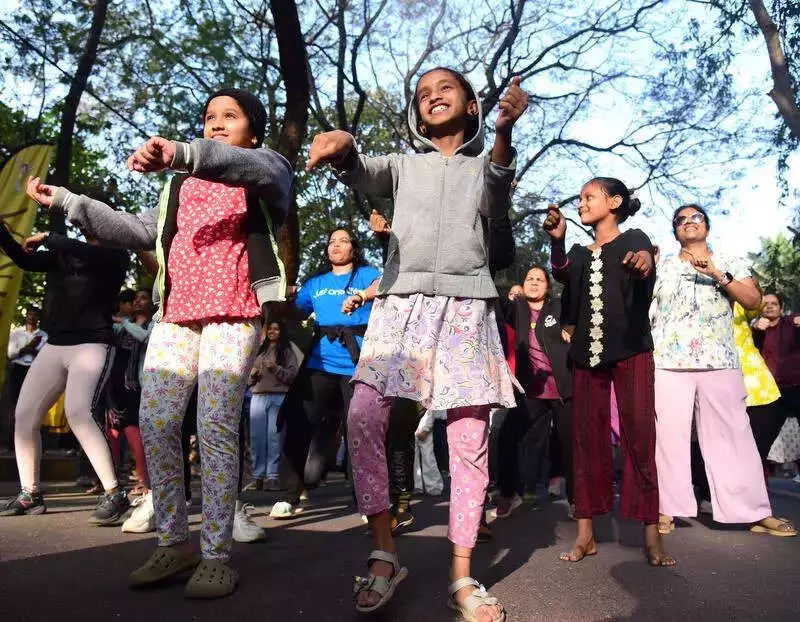
A simple 10-minute dance routine, tailored to Indian culture, is showing remarkable power to transform the health and fitness of schoolgirls in Chennai. A recent pilot study conducted by the Madras Diabetes Research Foundation (MDRF) has revealed that this high-intensity activity can significantly boost heart health, build muscle strength, and reduce stress levels.
The Thandav Dance Programme: A Clinical Experiment Turned Movement
What began as a focused clinical experiment has now blossomed into a popular fitness movement. The programme, named Thandav, is a culturally tailored high-intensity interval training (HIIT) dance routine. It has already garnered an impressive 1,000 registrations from women and schoolgirls aged between 11 and 71 years, for both online and offline sessions.
Dr. R M Anjana, a leading diabetologist and president-elect of the International Diabetes Federation's working group on physical activity, expressed her enthusiasm. "It began as a clinical experiment, and is showing good results. We plan to take it to classrooms, workplaces, and living rooms across India," she said. The foundation is also collaborating with global partners to ensure wider adoption among girls and women.

Measurable Health Gains in Just 12 Weeks
The 12-week trial was conducted in two city schools with 108 girls aged 13 to 15. The results were concrete and encouraging. On average, the participants added 1,073 more steps to their daily count. They gained nearly 1kg of muscle mass while losing 0.7kg of body weight. Their body fat percentage dropped by a significant 2 percentage points.
Cardiovascular metrics also improved, with blood pressure dropping by four points and resting heart rate decreasing by three beats per minute. Notably, the girls' dietary habits improved, with a marked reduction in their 'junk food scores'.
Perhaps most impactful were the changes in daily lifestyle. The schoolgirls spent 30 minutes more each day on moderate to vigorous physical activity, slept 46 minutes longer on average, and slashed their sedentary time by over 3 hours.
Building a Foundation for Lifelong Health
Dr. Anjana highlighted a crucial finding. "The standout finding wasn't just weight loss — it was increase in muscle mass, the foundation of lifelong metabolic health," she explained. This insight is vital for countering the rising trends of obesity and prediabetes among teenage girls in India, who often prioritize studies over physical activity.
The programme's design is key to its success. Daily online classes and weekly in-person sessions blend steps from indie folk, film, and popular music into short, high-intensity loops. H Ranjani, co-author of the study and head of MDRF's preventive and digital health research wing, noted, "Participants say they find it fun, time saving, and easy to fit into daily life." The appeal is so strong that some of the participating girls' mothers have also joined the sessions.
Public health experts believe such engaging, culturally resonant initiatives are essential to inspire a generation towards better health, proving that effective fitness can be both fun and time-efficient.






