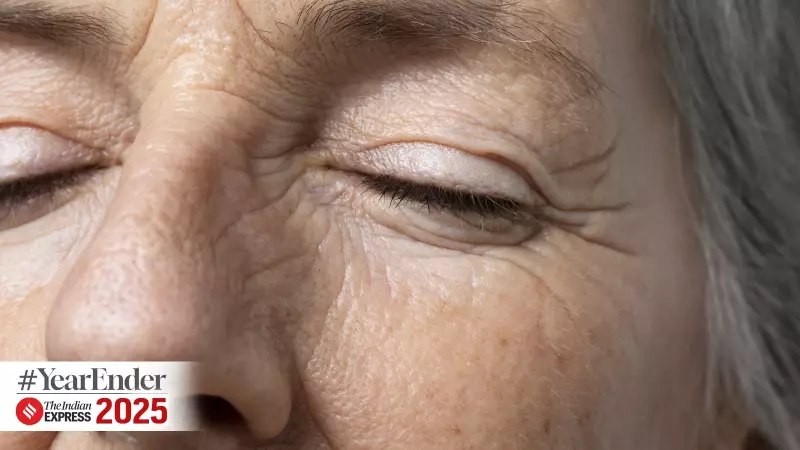
The year 2025 marked a profound cultural pivot in how India perceives and discusses the process of growing older. The national conversation moved decisively away from viewing ageing as a mere aesthetic problem to be disguised, towards a more honest, holistic, and practical dialogue centred on healthspan, physical function, personal dignity, and resilience.
From Wrinkles to Wellness: Redefining Ageing in 2025
One of the most critical shifts of the year was the growing understanding that ageing is not just an inevitable biological decline. It is a process profoundly shaped by behavioural choices made throughout a person's life. The discourse expanded beyond cosmetic concerns like wrinkles and grey hair to focus on functional ageing – how well an individual moves, thinks, feels, and lives as they grow older.
This perspective was championed by public figures who shared their practical approaches. From actor Bhagyashree's advocacy for step-up exercises to Namita Thapar's mindful approach to diet and health during her perimenopause journey, the message was clear: factors like nutrition, physical activity, mental well-being, social connections, and stress management play a role often more significant than genetics alone in determining health evolution with age.
Demystifying the Accelerators and Protectors of Ageing
In 2025, public discourse increasingly grappled with evidence-based factors that genuinely accelerate biological ageing. The conversation spotlighted everyday habits, moving from fantasy to fact. Dr. Somnath Gupta, consultant physician & diabetologist at Yashoda Hospitals, Hyderabad, provided clear guidance, noting that excessive caffeine, alcohol, sugar, processed carbohydrates, and sun exposure after consuming citrus fruits can speed up the ageing process.
This straight-talk helped shift public attention from superficial anti-ageing fixes to meaningful health decisions that directly impact metabolism, immunity, inflammation, and cellular health. The focus turned to combating a sedentary lifestyle, chronic stress, poor sleep, and processed foods – the real culprits behind premature ageing.
Real Role Models and the Rejection of Quick Fixes
A key development was the celebration of realistic and relatable ageing role models. Stories emerged of individuals like a 97-year-old professor whose disciplined routine, purposeful lifestyle, and emphasis on stress management allowed him to preserve remarkable strength and vitality. He acknowledged good genes but stressed that developing a sense of purpose was crucial to managing stress, a major contributor to premature ageing.
This theme of consistency over quick fixes was starkly highlighted following the death of Shefali Jariwala. Her husband, Parag Tyagi, publicly dismissed rumours about her using anti-ageing medicines. He clarified that her youthful appearance stemmed from disciplined diet and lifestyle, supplemented by monthly IV drips of multivitamins, Vitamin C, collagen, and glutathione under professional guidance. Dr. Jagadish Hiremath, a public health intellectual, emphasised that such treatments must only be undertaken under qualified medical supervision, reinforcing that sustained lifestyle habits matter far more than mythical panaceas.
The collective lessons of 2025 signal a broader cultural moment. Ageing is no longer a taboo to be hidden or a cosmetic battle to be fought with fear. It is a shared human experience, and India is now embracing it with a focus on evidence-based, intelligent approaches that promise not just longer life, but a better quality of life through the years.