The year 2025 will be remembered as the time when injectable weight-loss medications entered mainstream conversations in India. However, a crucial lesson emerged alongside the hype: these drugs are not a standalone solution. Medical professionals and metabolic coaches across the country have consistently emphasised that lasting metabolic stability and weight management are fundamentally built on lifestyle habits.
The Rise of GLP-1 Medications in India
This year saw the introduction of three major GLP-1 receptor agonist medications in the Indian market, primarily for type 2 diabetes management with significant benefits for obesity. Mounjaro (tirzepatide) by Eli Lilly launched in March 2025, followed by Wegovy (semaglutide) in June 2025. The latest addition was Ozempic (semaglutide) by Novo Nordisk. Dr Vijay Negalur, Head of Diabetology at KIMS Hospitals in Thane, explained that these injections work by controlling blood sugar and reducing appetite, which can indirectly lower diabetes risk.
Why Medication Alone Often Fails: A Revealing Case Study
The limitations of relying solely on pharmaceuticals were starkly highlighted by metabolic coach Amit Baruna. He shared an insightful case on Instagram involving a 52-year-old woman who saw no fat loss despite using Mounjaro for eight weeks and following various routines. Baruna diagnosed her body as being in "survival mode" with a metabolism that was not just slow but "literally shut down."
"The strongest GLP drug needs a stable internal environment to work," Baruna stated. His intervention was counterintuitive: he made her stop pursuing aggressive lifestyle changes for two weeks. The new regimen included adding 90 minutes of extra sleep, some post-dinner walks, and targeted supplements—focusing on metabolic support rather than pressure. Only then did her metabolism begin to respond positively.
Expert Consensus: Lifestyle is the Non-Negotiable Foundation
This case underscores a critical point echoed by specialists: medications can aid, but cannot replace, foundational health practices. Dr Ramen Goel, a Consultant Diabetes and Bariatric Surgeon at Wockhardt Hospitals, Mumbai Central, clarified that injections may provide an initial boost for some, but are incomplete. "Without changes in diet, exercise, and daily habits, the body often regains weight once the medication stops," he warned.
Dr Goel advocates for a combined approach. In non-surgical scenarios, pairing injections with personalised nutrition, structured exercise, and ongoing monitoring yields far superior results. He notes that patients who adopt these habits are more likely to maintain weight loss and improve metabolic markers like blood sugar and cholesterol. He also stressed the importance of tackling stress, a often-overlooked factor.
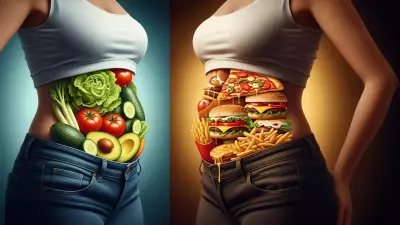
Dr Negalur provided actionable lifestyle advice: moderate daily exercise, reducing processed and sugary foods, stress management, and securing seven to eight hours of sleep can all enhance insulin sensitivity. "Even small changes, like walking after meals or avoiding late-night snacking, can provide real benefits over time," he added.
Sustaining Weight Loss: The Long-Term Strategy
What happens after losing weight is equally crucial. Dr Goel pointed out that the body undergoes metabolic changes post-weight loss, which can stall progress if habits become inconsistent. Maintaining regular physical activity, balanced meals, adequate hydration, and consistent sleep is essential to prevent rebound weight gain. These practices also support insulin sensitivity, heart health, and overall energy balance. "Small, daily choices truly make a difference in long-term results," he affirmed.
The overarching message from 2025 is one of cautious optimism and realism. Dr Negalur summarised it aptly: "Consider injections as a starting point, not a solution. Establishing a routine that includes healthy eating, regular physical activity, and stress management supports long-term metabolic stability, protects the heart, and lowers the risk of diabetes and other metabolic issues." The year ultimately served as a reminder that while science provides powerful tools, sustainable health is built daily, through conscious and consistent lifestyle choices.