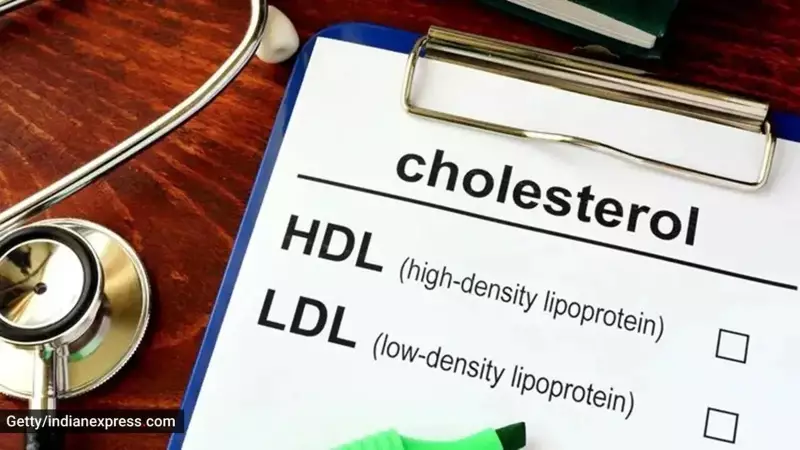
For many young professionals in India, a fast-paced life often comes with quick, unhealthy food choices. This was the reality for Ria, a 34-year-old corporate employee, until a routine health check-up revealed a concerning lipid imbalance. Her report showed high levels of LDL (low-density lipoprotein or 'bad' cholesterol) and triglycerides, coupled with low HDL (high-density lipoprotein or 'good' cholesterol). This prompted her to seek professional dietary guidance instead of immediately opting for medication.
The Starting Point: Understanding the Numbers
Ria's initial blood tests painted a clear picture of metabolic drift. Her total cholesterol was measured at 236 mg/dL, with LDL at 154 mg/dL. Her protective HDL was low at 38 mg/dL, and triglycerides were high at 212 mg/dL. Despite not being overweight, her diet of refined carbohydrates, sugary tea, occasional fried snacks, and frequent business trip meals had taken a toll. The clinical dietitian, Simrat Kathuria, noted that these were clear inflammatory markers, indicating that cholesterol rise was linked to bodily inflammation, not just fat intake.
A Three-Step Strategic Nutrition Plan
Instead of a restrictive or fad diet, a structured, physiology-friendly approach was designed. The plan focused on intelligent eating, not elimination.
Step 1: Resetting the Daily Plate
The first move was to overhaul the quality of food on her plate. The new diet was rich in soluble fibre, antioxidants, omega-3 fats, and varied proteins. Problematic foods like refined sugar, bakery products, processed snacks, and deep-fried items were removed.
Her daily meals were strategically planned:
- Morning: Warm water with soaked chia seeds, followed by a high-fibre breakfast like vegetable dalia, paneer besan chilla, or oats with nuts.
- Lunch: Built on the "½ vegetables + ¼ protein + ¼ complex carb" rule—for example, bajra roti with methi sabzi, curd, and dal.
- Evening: Green tea with roasted chana or nuts replaced biscuits.
- Dinner: Light and protein-based meals such as grilled tofu, dal soup, vegetable khichdi, or millet upma with seeds.
Small yet powerful adjustments included using cold-pressed oils, adding garlic to daily cooking, incorporating flaxseed powder into chapati dough, and consuming one pectin-rich fruit daily.
Step 2: Mastering Meal Timing
A critical but often overlooked aspect of cholesterol management is meal timing. Late dinners, long gaps between meals, and excessive carb consumption in the latter half of the day promote fat-storage patterns. Ria's meal schedule was aligned with her circadian rhythm. Heavier meals were consumed earlier, and dinners became light and protein-focused. This simple shift helped avoid triglyceride spikes and gradually improved HDL levels.
Step 3: Activating the Body's Anti-Inflammatory System
To address the root cause of inflammation, specific anti-inflammatory foods were introduced:
- Turmeric with a pinch of black pepper.
- Amla in the mid-morning.
- 4–5 soaked almonds and walnuts for omega-3s.
- Green leafy vegetables at least three times a week.
- Yoghurt to support healthy gut flora.
The Remarkable 10-Week Transformation
The follow-up reports after ten weeks showed a significant and positive shift. Ria's total cholesterol dropped to 198 mg/dL, and her LDL reduced substantially to 118 mg/dL. Her triglycerides improved to 148 mg/dL, while her good HDL cholesterol rose to 46 mg/dL. This impressive change was achieved without aggressive fasting, fad diets, or cutting out entire food groups.
How a Cholesterol-Lowering Diet Actually Works
This case underscores that cholesterol isn't a villain but an imbalance. A well-devised diet works in multiple ways: soluble fibre from oats, lentils, fruits, and vegetables binds to excess LDL and removes it. It improves bile metabolism, prompting the liver to use cholesterol from the blood. It also reduces blood vessel inflammation, minimising plaque formation, and optimises fat burning through better protein distribution and controlled carbohydrates.
Food, when applied with precision and regularity, acts as silent inner therapy. The expert concludes that many people inadvertently worsen their cholesterol by following popular yet flawed nutrition trends. The key takeaway is that managing cholesterol is not about eliminating fats or surviving on salads; it's fundamentally about intelligent, strategic eating tailored to one's body.