

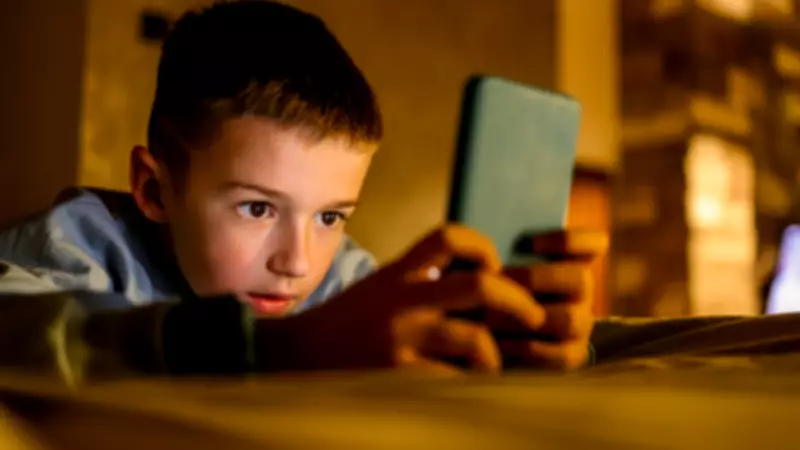
4 Harmful Effects of Screen Time on Child Development
Children are growing up in a world where screens are everywhere: in living rooms, classrooms, cars, and even at the dinner table. Not all screen use is harmful, and good-quality, adult-guided digital content can have a place in modern childhood. But when screen time becomes heavy, passive, or replaces sleep, play, and conversation, the effects can ripple far beyond the device itself. Research from the World Health Organization, the American Academy of Pediatrics, and several recent studies has linked excessive screen exposure with weaker sleep, language delays, attention problems, and less physical activity in children. Scroll down to read more.
Sleep Takes the First Hit
One of the most immediate ways screen time affects children is by disturbing sleep. The WHO's 2019 guidelines for children under 5 specifically recommend limiting screen-based sedentary activity and protecting sleep as part of healthy development. Reviews published in recent years have also found that screen time is associated with shorter sleep duration and poorer sleep timing in children, especially when devices are used close to bedtime. A 2024 review on screen time and sleep noted that families should think not only about how long children are on screens but also about when they use them. The reason matters because sleep is not just rest; it is construction time for the brain and body. When children stay up later scrolling, watching, or gaming, they may fall short on the deep sleep they need for learning, mood regulation, and growth. In a 2024 randomized clinical trial led by Pickard and colleagues, screen use in the hour before bed was directly examined for its effect on toddler sleep and attention, reflecting growing concern around this very pattern.
Language Development Can Slow Down
Screen time can also crowd out the very thing young children need most: back-and-forth human talk. A 2024 JAMA Pediatrics study by Brushe and colleagues found a negative association between screen time and parent-child talk during the early years, with more screen exposure linked to fewer adult words, fewer child vocalizations, and fewer conversational turns. That matters because language is built in conversation, not in isolation. Earlier research points in the same direction. Madigan and colleagues' work in JAMA Pediatrics found that greater screen time in early childhood was associated with poorer performance on developmental screeners, including communication and problem-solving. Another 2024 systematic review and meta-analysis by Mallawaarachchi and colleagues found that more program viewing and background television were linked with poorer cognitive outcomes, while age-inappropriate content and caregiver screen use were tied to poorer psychosocial outcomes.

Attention and Behavior Can Become Harder to Manage
When children spend long stretches with fast-moving, highly stimulating content, the brain can get used to constant novelty. Over time, that can make slower, everyday tasks feel harder to tolerate. The evidence here is still evolving, but the pattern is worrying enough to deserve attention. Research has increasingly pointed to a pattern: certain kinds of screen use, especially when it replaces real-world interaction or involves overstimulating content, are linked with poorer psychosocial outcomes in children. What matters is not just how long a child spends on a device, but what they are watching, how they are using it, and whether it is cutting into sleep, play, or connection. Sleep loss makes this even worse. Children who do not sleep well are more likely to struggle with focus, frustration, and self-control the next day. That is why screen time, especially before bed, can become a double-edged problem: it does not just take time away from sleep, it can also leave children more scattered, reactive, and hard to settle. The Pickard trial and broader sleep research both point to this connection between evening screen habits and daytime functioning.

Physical Activity Often Gets Squeezed Out
Perhaps the most visible harm is the one parents see less directly: screens replace movement. The WHO's guidelines for young children are clear that less sitting, more active play, and better sleep are central to healthy development. When screen time rises, active play often falls, and that can influence weight, fitness, and overall physical health. Research supports this concern. A 2023 study in JAMA Network Open by Nagata and colleagues found that a combination of high screen time and low physical activity was associated with overweight and obesity among adolescents. In simple terms, screens do not just occupy time; they can quietly push out the movement children need to build strong bodies.





