

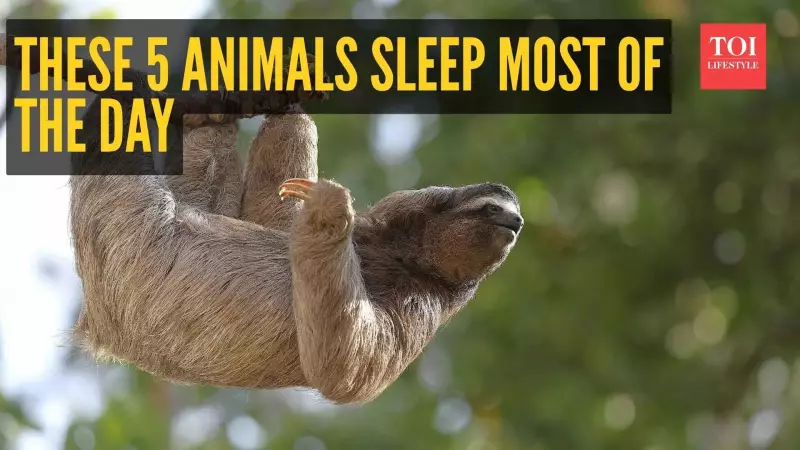
5 Animals That Sleep Most of the Day: Nature's Champion Nappers
Sleep matters for all living creatures, but some animals take napping to extreme levels. Humans typically need seven to nine hours of rest each night. Certain animals, however, spend most of their day dozing off. For these species, sleep is not just about feeling refreshed. It serves as a vital tool for conserving energy, avoiding danger, and preparing for daily activities. Let's explore five animals known for their impressive sleeping habits.
Koalas: The Eucalyptus Lovers
Koalas sleep a tremendous amount. They rest for 18 to 22 hours every single day. Their diet consists mainly of eucalyptus leaves, which offer low nutritional value. This poor diet forces them to conserve energy by sleeping most of the time. Koalas spend their days lounging in trees. When awake, they eat large quantities of leaves. Sometimes they store leaves in their cheeks for later snacks. Sleeping through the day is their key survival strategy.
Sloths: The Slow-Motion Sleepers
Sloths move at a famously slow pace and sleep extensively. They live almost entirely in trees. Their routine involves eating, moving slowly, and resting. In natural habitats, sloths sleep about 10 hours daily. In protected environments like zoos, they can sleep up to 20 hours. Their leisurely lifestyle perfectly matches their long nap times.

Little Brown Bats: The Nocturnal Nappers
Little brown bats are nocturnal creatures. They stay awake at night to hunt insects. During daylight hours, they sleep deeply, often up to 20 hours a day. In winter, they enter extended sleep periods lasting many weeks to save energy. This rest helps them stay strong for their active nighttime hunts.
North American Opossums: The Daytime Hiders
Opossums are primarily active at night. They sleep around 18 hours each day. During daylight, they seek out quiet spots like tree hollows or abandoned nests. Contrary to popular myths, they do not hang from their tails while sleeping. Resting in secure locations helps them stay hidden from predators.
Pythons: The Predatory Sleepers
Even powerful predators like pythons sleep extensively. They can sleep up to 18 hours daily. Pythons hunt at night and rest during the day in safe places. Long rest periods help them digest large meals and stay ready for their next hunt. Sleep plays a crucial role in their survival strategy.
Observing these animals reveals that sleep is more than simple rest. It represents a fundamental aspect of survival. Humans cannot sleep for 20 hours, but these animals demonstrate how nature uses rest to conserve energy, stay safe, and maintain daily functions.
Note: This information comes from online sources and ecological studies. Details may vary by species and region.






