

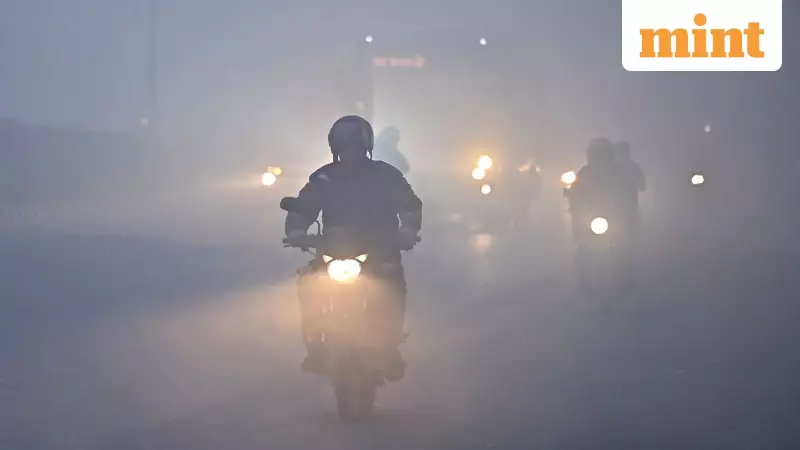
As winter tightens its grip across India, dense fog blankets many regions, dramatically reducing visibility on roads and highways. This seasonal phenomenon transforms daily commutes into hazardous journeys, particularly for one group of road users: motorcyclists. Experts consistently rank riders as the most vulnerable participants in traffic, and foggy conditions exponentially increase this vulnerability.
The Heightened Perils of Fog for Bikers
The combination of severely reduced visibility, unpredictable speeding by other drivers, and often wet, slippery road surfaces creates a perfect storm of danger for anyone on two wheels. These factors frequently lead to life-threatening situations where reaction time is measured in split seconds. However, adopting a few simple, yet profoundly effective, safety measures can be the difference between a safe journey and a catastrophic accident, potentially saving the rider's life and preventing damage to the motorcycle.
Five Non-Negotiable Tips for Foggy Weather Riding
If you are a motorcycle rider who must navigate through fog, here are the top five guidelines to ensure your safety.

1. Drastically Reduce Your Speed
Fog plays tricks on your senses, distorting your perception of depth and speed. This illusion can make you feel you are moving slower than you actually are, leading to over-speeding. The golden rule is to ride slow and steady, ensuring you can always stop within the clear distance you can see ahead. Higher speeds drastically cut down your available reaction time, especially if the vehicle in front brakes suddenly.
2. Strictly Use Low Beam Headlights
This is a critical mistake many make. Using high beams in fog is counterproductive. The intense light reflects off the countless water droplets, creating a blinding 'white wall' effect directly in front of you. This severely worsens visibility for you and causes glare for oncoming traffic. Always switch to low beams; they illuminate the road better in such conditions without creating that dangerous reflective glare.
3. Triple Your Following Distance
Maintaining a safe gap from the vehicle ahead is always important, but in fog, it becomes paramount. Increase your standard following distance by at least three times. This expanded buffer provides you with the much-needed extra seconds to react and brake safely if the leading vehicle stops abruptly or slows down without warning.
4. Never Compromise on Riding Gear
Protective gear is your primary defense in any crash, irrespective of the weather. A certified helmet, armored riding jacket, gloves, knee and elbow guards, and sturdy boots are non-negotiable. In foggy conditions, where the risk of a mishap is significantly higher, this gear can mean the difference between minor injuries and fatal ones. It also provides essential protection against the cold.
5. Proactive Communication is Key
In low-visibility scenarios, making your presence and intentions known to other road users well in time is a lifesaver. Use your horn, turn indicators, and hazard lights judiciously and early to signal your position, lane changes, or stops. Clear communication helps other drivers anticipate your movements, preventing sudden maneuvers that could lead to collisions.
Conclusion: Safety is a Conscious Choice
Riding a motorcycle in winter fog demands heightened awareness and a disciplined approach. By consciously choosing to ride slower, using correct lighting, keeping a generous distance, wearing full protective gear, and communicating clearly, riders can navigate these challenging conditions more safely. The fog may be unavoidable, but the risk it brings can be substantially managed with responsible riding practices.






