5 Red Fruits to Help Control Blood Pressure: A Heart-Healthy Guide
High blood pressure often develops silently, with many individuals unaware until it begins to damage vital organs such as the heart, brain, or kidneys. In today's fast-paced world, factors like stress, unhealthy diets, and sedentary lifestyles have made hypertension increasingly common. While medications are available, medical professionals consistently emphasize the importance of dietary choices in managing this condition.
Red fruits have gained significant attention in the realm of heart health, and for good reason. They are rich in essential nutrients like potassium and antioxidants, which help relax blood vessels, reduce inflammation, and promote better blood flow. These fruits also assist in flushing excess sodium from the body. Beyond their health benefits, they are versatile and delicious, easily incorporated into meals or enjoyed as snacks.
However, not all fruits offer the same advantages. To effectively support blood pressure control, it's crucial to choose the right options. Here are five standout red fruits, backed by scientific evidence, along with practical tips for integrating them into your daily routine.

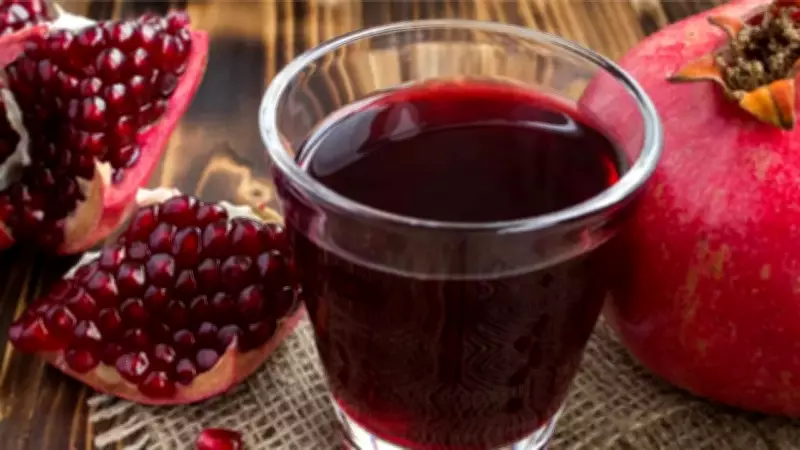
Pomegranate
Often hailed as a superfood, pomegranate is supported by research showing it can reduce both systolic and diastolic blood pressure, sometimes by up to 5 mmHg. This effect is attributed to its high content of polyphenols and antioxidants, which work to relax blood vessels and combat inflammation.
How to eat: Consume a small bowl of fresh seeds daily or a small glass (150–200 ml) of pure juice. For optimal benefits, include it with meals in the morning or midday.
Strawberries
These vibrant berries are packed with anthocyanins, compounds that stimulate the production of nitric oxide in the body. This leads to improved blood flow and lower blood pressure. Studies indicate that individuals with hypertension can experience gradual improvements when regularly consuming berries.
How to eat: Enjoy one cup of fresh strawberries daily, such as in breakfast dishes like oats or yogurt. Morning or early afternoon is an ideal time for consumption.
Cherries
Cherries, particularly tart varieties, offer substantial benefits for heart health. Scientific studies highlight that their anthocyanins and flavonoids help maintain arterial flexibility and reduce inflammation, facilitating easier blood circulation and reducing cardiac strain.
How to eat: Snack on 10–15 cherries in the evening or occasionally drink unsweetened cherry juice. An added bonus: cherries in the evening may also promote better sleep.
Watermelon
Despite its natural sugar content, watermelon is excellent for heart health due to its high citrulline levels. Research shows that this amino acid aids in nitric oxide production, which relaxes blood vessels, leading to smoother blood flow and reduced pressure.
How to eat: Consume one or two cups of sliced watermelon, avoiding added sugar or salt. It's particularly refreshing in the afternoon or after exercise.
Tomatoes
Tomatoes, technically a fruit, are beneficial for the heart thanks to lycopene. A Harvard study demonstrates that lycopene can significantly lower systolic blood pressure, especially at higher doses. This antioxidant is effective whether tomatoes are eaten raw or cooked, with cooking actually enhancing lycopene absorption.
How to eat: Add raw tomatoes to salads, drink fresh tomato juice, or include cooked tomatoes in soups and sauces for maximum benefit.