

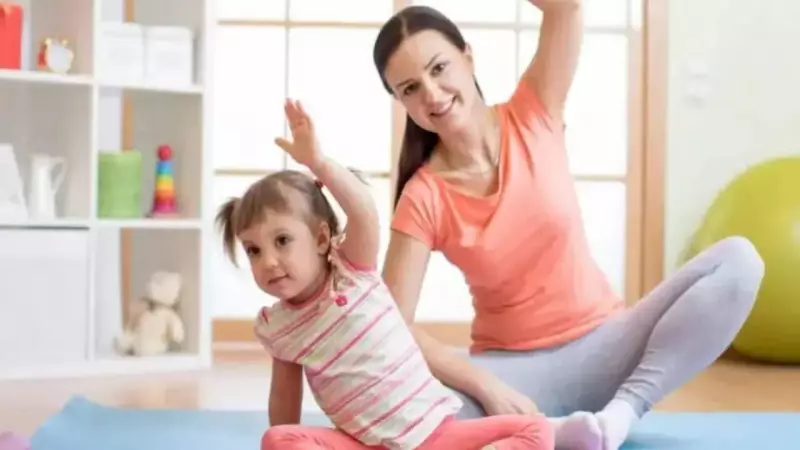
Getting children to stay active in an age dominated by screens can feel like an uphill battle for parents. The constant negotiation over vegetables, bedtime, and limiting device time is challenging enough. Adding a formal 'exercise routine' to the mix often meets with resistance. However, experts reveal a simple secret: ditch the word 'workout' and embrace play.
The Power of Play Over Exercise
According to health guidelines, children aged between 6 and 17 years need approximately one hour of physical activity daily. This movement is crucial for their cardiovascular health, bone and muscle development, mood regulation, and even academic concentration. The key to achieving this is to frame activity as fun, not a chore. The moment something is labelled 'exercise,' many kids lose interest.
The solution lies in Non-Exercise Activity Thermogenesis (NEAT) – the energy burned through all daily movements except deliberate workouts. By turning movement into games, imaginative play, or family bonding time, children naturally meet their activity goals while developing coordination, strength, and confidence.

5 Creative Activities to Get Kids Moving
Here are five easy, equipment-light ideas to seamlessly integrate more movement into your child's day. All you need is a dash of creativity and a willingness to be a little silly.
1. Dance Breaks and Musical Fun
Nothing gets the heart pumping and spirits lifting like a spontaneous dance party. This activity requires zero preparation and feels nothing like exercise.
Create a mini-playlist of your child's favourite upbeat songs. Encourage freestyle dancing or introduce goofy moves like spinning, clapping, or animal-themed actions. To add structure, play games like freeze dance, where everyone must stop when the music pauses. The best part? Parents joining in makes it a joyful family moment.
2. Animal Walks and Pretend Adventures
Tap into a child's boundless imagination with animal-inspired movements. Bear crawls, frog jumps, and crab walks are not just hilarious but also excellent for building core strength, balance, and motor skills.
Call out an animal name and have your child mimic its movement across the room. You can design a simple 'animal adventure' course using cushions and furniture, creating a story that moves them from one 'animal station' to the next, complete with sound effects.
3. Balloon Volleyball Challenge
Transform your living room into an active play zone with just a single balloon. This game improves hand-eye coordination, reflexes, and gets kids jumping and reaching.
Blow up a balloon and create an imaginary net using a string or a line on the floor. The goal is to keep the balloon from touching the ground using hands, elbows, or even feet. It can be a cooperative family game or a solo challenge where a child tries to keep the balloon aloft for as long as possible.
4. DIY Obstacle Course Creation
Children love a good challenge. Turning your home space into a temporary obstacle course sparks excitement and physical engagement.
Use household items like pillows for hopping, tape on the floor for balance beams, and chairs to crawl under. Add tasks like jumping over a rolled towel or weaving between stuffed toys. Time each run, create friendly competitions, or have a team relay. Changing the course layout regularly keeps the activity fresh and engaging.
5. Energetic Jumping and Skipping Games
Classic movements like jumping jacks and skipping are timeless for building stamina and coordination. The trick is to present them as a game, not a repetition.
Set quick, achievable goals. For instance, complete 20 jumping jacks during TV commercial breaks. Organise a skipping contest, with or without a rope. Counting out loud, turning it into a family challenge, or offering cheerful encouragement can make these simple activities incredibly fun.

Making Movement a Natural Part of Life
The overarching message from child development experts is clear: integration is more effective than imposition. By weaving these playful activities into daily routines, parents can ensure their children remain active, healthy, and happy without any struggle. The focus shifts from mandated exercise to shared joy and playful connection, fostering a lifelong positive attitude towards movement and well-being.





