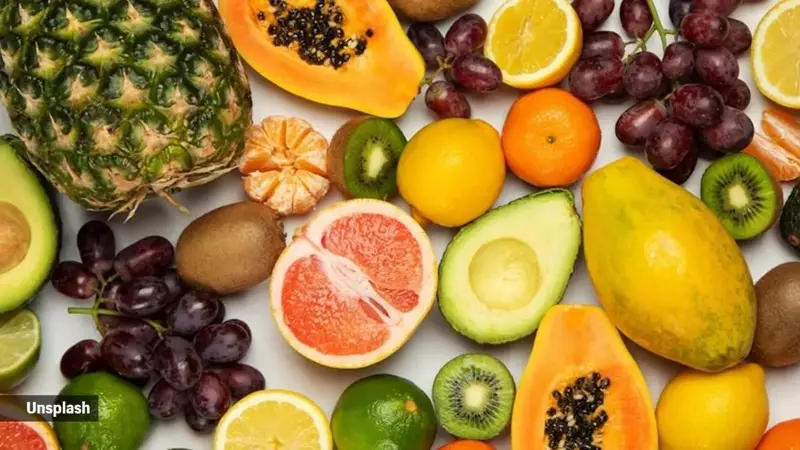
For individuals managing diabetes or insulin resistance, navigating dietary choices can be challenging, especially when it comes to fruits. A common misconception is that all fruits are detrimental to blood sugar control. However, medical experts clarify that this is far from the truth. When selected and consumed wisely, certain fruits can be a valuable part of a balanced diet that supports stable glucose levels.
Dispelling the Myth: Fruits and Blood Sugar
Dr Pranav Ghody, a consultant endocrinologist and diabetologist at Wockhardt Hospitals in Mumbai Central, addresses this widespread belief. He emphasises that fruits are not the enemy. "Many people mistakenly believe that all fruit should be avoided if you have insulin resistance or diabetes. But it is not necessarily true," states Dr Ghody. He highlights that fruits offer a complex nutritional package, including natural sugars balanced with fibre, vitamins, minerals, and antioxidants. These nutrients collectively play a role in overall health and can aid in blood sugar management.
The key, according to the specialist, lies in two critical factors: portion control and choosing the right types of fruit. It's not about complete avoidance but about strategic inclusion.
Six Fruits That Support Insulin Sensitivity
Based on their nutritional profile and impact on glucose metabolism, Dr Ghody identifies six fruits that can be particularly helpful for those looking to manage insulin resistance effectively.
1. Apples: Especially when eaten with the skin on, apples are a rich source of fibre and polyphenols. These compounds work by slowing down the digestion process, which in turn helps prevent rapid spikes in blood sugar levels after eating.
2. Avocados: Technically a fruit, avocados are packed with healthy monounsaturated fats and fibre. This unique combination helps in slowing the absorption of carbohydrates and promotes a feeling of fullness, contributing to more stable blood glucose readings.
3. Blueberries: These small berries are loaded with antioxidants, which research suggests can improve cellular sensitivity to insulin. Better insulin response means the body can use glucose more efficiently.
4. Grapefruit: This citrus fruit contains a natural compound called naringenin. Studies indicate that naringenin can enhance the body's insulin action, making it a beneficial choice.
5. Whole Oranges: It is crucial to opt for the whole fruit and not just the juice. A whole orange provides valuable fibre along with vitamin C and has a low glycemic index (GI), meaning it causes a slower, more gradual rise in blood sugar.
6. Green Apples: Dr Ghody specifically points to green apples as an excellent low-sugar option. They can help satisfy sweet cravings without leading to the subsequent "sugar crash" associated with high-GI foods.
Essential Considerations for Safe Consumption
Does this mean fruit is completely safe for diabetics? The answer revolves around balance and smart choices. Dr Ghody issues a clear warning against fruit juices and dried fruits for people with insulin-related issues. These forms quickly release concentrated sugars into the bloodstream, leading to sharp glucose spikes.
However, whole, fresh fruits—particularly those high in fibre and lower on the glycemic index—can be included in moderation. Dr Ghody also offers a practical tip for better glucose management: "Pairing fruit with a source of protein or healthy fat can also help minimise glucose spikes." For example, having a few apple slices with a handful of almonds or some avocado with your meal.
The overarching message from the expert is one of mindful eating. "When you choose wisely and eat mindfully, certain fruits can be part of a smart diet that supports healthy blood sugar levels," he concludes. It's about shifting the perspective from fear to informed selection, empowering individuals to enjoy nature's sweetness without compromising their health goals.
Disclaimer: This article is based on information from the public domain and expert insights. It is intended for informational purposes only. Always consult your healthcare practitioner or a registered dietitian before making significant changes to your diet, especially if you have a medical condition like diabetes.