

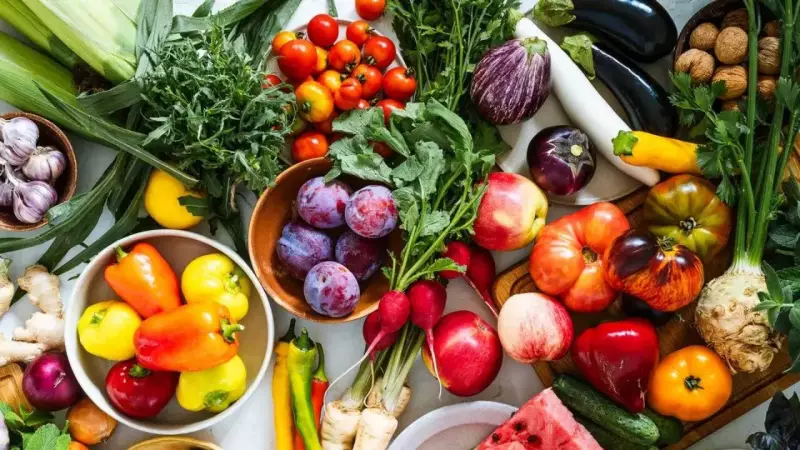
As winter's chill sets in, our bodies face a dual threat: the cold weather itself, which can dampen immune function, and a higher risk of seasonal illnesses like colds, coughs, and fatigue. The combination of low temperatures, dry air, and indoor heating creates an environment where infections thrive. This makes the role of nutrition more critical than ever during these months. The food we consume directly influences our body's capacity to ward off germs.
Your Kitchen: The First Line of Defence
The good news is that powerful tools to protect and enhance your immunity are likely already in your kitchen. By intentionally selecting foods rich in vitamins, antioxidants, and warmth-providing nutrients, you can give your body a strategic advantage. A thoughtful winter diet transcends mere comfort food; it acts as a vital shield against seasonal health challenges, strengthening your system from within.
1. Citrus and Vitamin-C Powerhouses
Research confirms that citrus fruits like oranges and lemons, along with other vitamin-C-rich options such as Guava and Amla (Indian gooseberry), are among the most effective immunity boosters for winter. Vitamin C is a potent antioxidant that aids the production and function of white blood cells, the body's primary defenders against viruses and infections.

Incorporate them by starting your day with warm water and lemon juice. Add fresh orange or guava slices to breakfast or salads. Amla can be consumed fresh, as a juice on an empty stomach, or occasionally as amla candy.
2. Leafy Greens and Winter Vegetables
Make room on your plate for seasonal greens like Spinach, methi (fenugreek), and mustard leaves. These are packed with vitamins A, C, K, folate, iron, fiber, and antioxidants. These nutrients collectively boost immune cell production, support gut health, and protect cells from damage.
Lightly sauté them with spices for a side dish, add a handful to your dal or curry, or incorporate them into soups, parathas, and mixed vegetable preparations.
3. Root Vegetables Rich in Beta-Carotene
Sweet potatoes, carrots, and beetroot are excellent winter allies. They provide beta-carotene, which the body converts to vitamin A. Vitamin A is crucial for maintaining healthy skin and mucous membranes, the body's first physical barrier against pathogens. These vegetables also offer fiber, potassium, and antioxidants, and help generate internal warmth.
Roast them for a hearty side, or add them to soups, stews, and curries. A warm carrot and sweet potato soup makes for a perfect winter meal.
4. Nuts, Seeds, and Healthy Fats
A small handful of almonds, walnuts, sunflower seeds, or flaxseeds can be a potent immune modulator. A review in the National Institutes of Health (NIH) PMC indicates that nuts and seeds contain vital nutrients that may reduce the severity of viral infections. They are rich in vitamin E, healthy fats, zinc, selenium, and antioxidants, all essential for robust immune function.
Enjoy a mixed-nut snack, sprinkle seeds over porridge or yoghurt, or try making almond-walnut laddoos. Seeds can also be mixed into chapati dough.
5. Warming Spices and Anti-inflammatory Herbs
Traditional spices like Ginger, Garlic, and Turmeric are formidable immune allies. Ginger offers antioxidant and anti-inflammatory benefits. Garlic is renowned for its antimicrobial properties. Turmeric contains curcumin, a compound known to modulate immune responses and fight inflammation.
Use ginger and garlic paste in everyday cooking for dals and sabzis. Sip on ginger-turmeric tea or haldi milk in the evening to harness their benefits.
6. Fermented Dairy and Probiotics
Including probiotic-rich foods like plain yoghurt supports immunity via gut health. A significant portion of the immune system resides in the gut. Probiotics help maintain a healthy gut microbiome, which is fundamental to effective immune function and fighting infections.
Have plain yoghurt as a side with meals, add it to breakfast bowls, or use it in raitas and smoothies. Avoid sugary flavoured varieties for optimal health benefits.

7. Seasonal Squash and Produce
Winter squash varieties like butternut squash and pumpkin are excellent seasonal additions. They are rich in vitamins A and C, fiber, and antioxidants, all of which help boost immunity, aid digestion, and provide internal warmth during cold weather.
Roast squash with spices, add chunks to soups and curries, or prepare a hearty squash-based stew for a nutritious winter meal.
Building Your Winter Wellness Plate
Embracing these seven categories of foods can transform your winter diet into a powerful regimen for health. The key is consistency and variety. By ensuring your meals regularly feature these immunity-boosting, nutrient-dense ingredients, you equip your body with the resources it needs to navigate the colder months with strength and vitality. Remember, prevention through smart nutrition is the most effective strategy against seasonal ailments.





