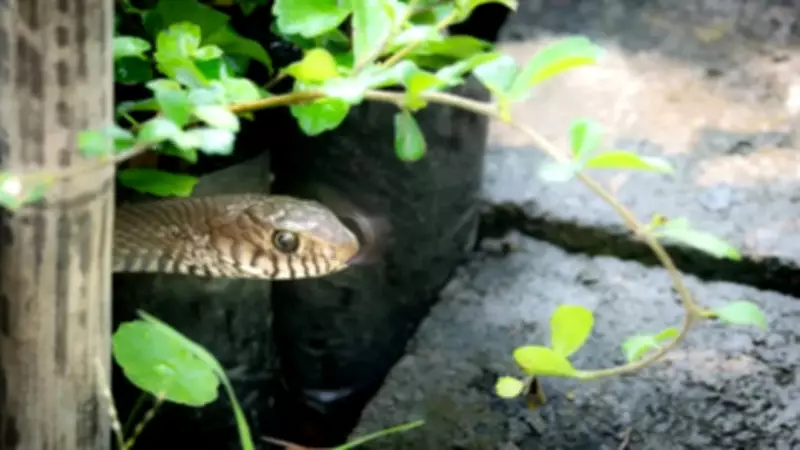
Snakes play a vital role in the ecosystem by naturally controlling rodent populations. Many homeowners seek safe, natural ways to reduce snake presence around gardens and outdoor areas, especially during summer and monsoon seasons. While no plant can guarantee complete protection against snakes, certain outdoor plants are thought to discourage them due to their smell, texture, or impact on rodent populations. Wildlife experts emphasize that maintaining hygiene and sanitation is more effective than relying solely on plants. Here is a list of seven outdoor plants that may help reduce snake presence near homes.
Lemongrass
Lemongrass is favored by many homeowners for its strong citrusy fragrance, which is believed to deter snakes. The plant contains citronella oil, commonly used in mosquito repellents. Planting lemongrass along pathways, fences, and boundaries can make the area less appealing to pests. It is easy to grow in Indian weather conditions and has culinary uses as well.
Marigold
Marigolds are popular in Indian gardens for their vibrant flowers and strong smell, which is thought to repel pests and insects. They are often planted in gardens and vegetable patches to reduce pest populations. Marigolds bloom for long periods and thrive in warm climates, making them a practical choice.

Snake Plant
Despite its name, the snake plant is believed to discourage snakes due to its sharp, spiky leaves. The rigid, tall leaves can create obstacles for movement. Many gardeners plant snake plants around walkways, gates, and boundaries for decoration. This plant tolerates high temperatures and requires minimal watering.
Garlic
Garlic has long been used to repel various insects and pests. Some gardeners claim that snakes dislike the strong smell of garlic, so they avoid areas where it is planted densely. Garlic needs moderate sunlight and regular watering. Besides its pest-repelling reputation, garlic is a staple in Indian kitchens.
Tulsi
Tulsi, or holy basil, is commonly grown in Indian homes for its religious significance and health benefits. Many believe its strong fragrance helps repel pests. This aromatic plant attracts butterflies and pollinators and can be grown outdoors in courtyards or balconies. Well-maintained tulsi plants also improve ventilation around the home.
Onion
Like garlic, onions are considered useful for deterring snakes due to their strong odor. Some homeowners plant onions along garden borders or alongside other crops. Onions grow easily in the Indian climate with sufficient sunlight and watering. However, scientific evidence supporting their effectiveness is limited.
Mint
Mint is popular in gardens for its pleasant smell and rapid growth. Some gardeners believe mint's scent makes pests uncomfortable, potentially keeping them away. Mint spreads quickly in containers or flower beds with adequate watering. Beyond pest control, mint is widely used in cooking.
Disclaimer
This article is for general informational and gardening awareness purposes only. There is limited scientific evidence proving that any plant can completely repel or prevent snakes from entering an area. Snake presence near homes may depend on factors such as rodents, water sources, clutter, overgrown vegetation, weather conditions, and surrounding habitat. These plants should not be considered guaranteed snake repellents or substitutes for proper wildlife safety measures. For snake sightings or wildlife concerns, readers are advised to contact local forest officials, wildlife rescue organizations, or authorized animal control authorities for safe assistance.