

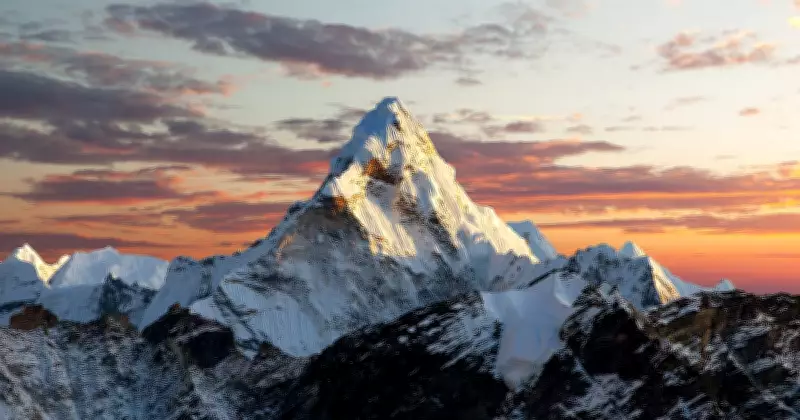
Mount Everest, the world's tallest peak, has long been a symbol of human endurance and adventure. However, in recent years, the mountain has become increasingly crowded, raising serious concerns about safety, environmental impact, and the very spirit of mountaineering. The 2024 climbing season saw a record number of permits issued, with over 600 climbers attempting to summit from the Nepalese side alone.
The Overcrowding Crisis
The allure of standing atop the highest point on Earth has drawn thousands of climbers, but the influx has led to dangerous bottlenecks near the summit. In 2023, traffic jams on the Hillary Step forced climbers to wait for hours in the "death zone," where oxygen levels are critically low. This has resulted in multiple fatalities, with at least 18 deaths reported in the 2023 season, the deadliest in years.
Critics argue that the problem is exacerbated by commercial expeditions that charge exorbitant fees, often taking inexperienced climbers who lack the necessary skills. These clients rely heavily on Sherpas and bottled oxygen, increasing the risk for everyone on the mountain.

Environmental and Ethical Concerns
Overcrowding has also taken a toll on Everest's fragile environment. Litter, including discarded oxygen tanks, tents, and human waste, mars the landscape. The Nepalese government has implemented measures such as requiring climbers to bring down a certain amount of waste, but enforcement remains lax.
Furthermore, the commercialization of Everest has sparked debates about the ethics of high-altitude mountaineering. Some argue that the mountain has become a playground for the wealthy, with little regard for the local Sherpa community or the mountain's sanctity. Sherpas continue to risk their lives to fix ropes and carry supplies, often for meager pay compared to the profits of expedition companies.
Regulatory Efforts
In response to the growing crisis, Nepal has introduced new regulations, including a requirement for climbers to have prior high-altitude experience and a ban on solo climbing. However, enforcement is challenging, and many climbers circumvent the rules by obtaining fake certificates of experience.
Some advocates call for limiting the number of permits each season, but the Nepalese government, which relies heavily on climbing fees, has been reluctant to cap numbers. The revenue from Everest permits contributes significantly to the local economy.
The Future of Everest
As climate change continues to melt glaciers and alter conditions on Everest, the risks are only expected to increase. The mountain's future as a climbing destination hangs in the balance, with some experts predicting that it may become too dangerous to climb within the next few decades.
For now, Everest remains a crowded crown, a testament to human ambition but also a cautionary tale about the costs of unchecked tourism. The challenge lies in balancing the desire for adventure with the need for safety, sustainability, and respect for the mountain and its people.






