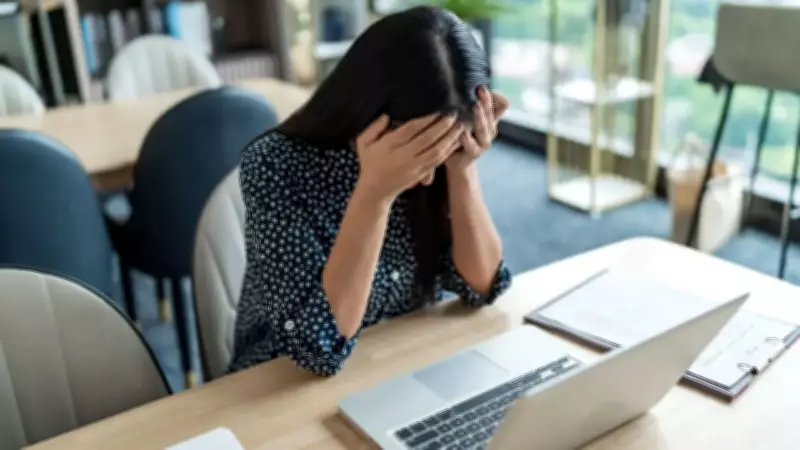
Women are often told to be 'strong.' To smile through pain, stay calm during disrespect, and not make a big deal out of things. Over time, many women learn how to hide what they truly feel. They act like certain things don't affect them, even when those things quietly hurt them deeply inside. Not every wound leaves tears. Some stay hidden behind silence, fake smiles, and 'I'm fine.' Here are seven things women pretend don't hurt them but actually do.
Being Taken for Granted
One of the most painful experiences for many women is feeling unappreciated. Whether at home, in a relationship, or at work, women often contribute significantly without expecting praise. However, when their efforts are constantly overlooked, it stings. Cooking daily, remembering everyone's needs, providing emotional support—these tasks require energy. When nobody acknowledges or values them, a woman may stop complaining, but that does not mean she stops feeling hurt. The silent resignation masks a deep longing for recognition.
You're Too Emotional
Many women hear this phrase when they express sadness, anger, or disappointment. Over time, they begin to suppress their feelings to avoid being labeled dramatic or overly sensitive. Yet emotions are a natural part of being human. Being told that your feelings are 'too much' can leave a woman feeling misunderstood and isolated. She may laugh it off, but the sting lingers beneath the surface, eroding her sense of validation.

Lack of Effort in Relationships
Women often pretend not to care when texts become dry, calls become infrequent, or affection fades. They might say, 'It's okay, I understand, you're busy.' But everyone desires to feel loved and valued. A relationship lacking effort can gradually make a woman question her self-worth. Even the strongest women notice when they are the only ones striving to keep the connection alive. The pretense of indifference hides a heart that aches for reciprocity.
Comments About Appearance
Many women act confident when someone makes a joke about their weight, skin, age, or body. They smile and move on. However, careless comments about appearance can echo in their minds for years. Society already pressures women to meet unrealistic beauty standards, so even small remarks can undermine confidence more than people realize. Sometimes, the words spoken casually by others become the same words women repeat silently to themselves in the mirror, reinforcing insecurities.
Feeling Replaceable
Women may pretend not to care when they are compared to others or made to feel easily replaceable. But this sensation cuts deep. No one wants to feel like 'just another option.' Whether in friendships, romantic relationships, or workplaces, women want to be valued for their unique qualities. Being treated as interchangeable creates insecurity, even if they never admit it. The facade of indifference conceals a fear of being disposable.
Carrying Emotional Burdens Alone
Many women are the 'strong ones' in their families or friend groups. They listen to everyone's problems, offer support, and remain available for emotional help. But often, no one asks if they are okay. Women are expected to handle stress quietly and efficiently. They pretend they can manage everything alone, but constantly carrying emotional weight without support becomes exhausting. Even strong women need comfort and care.
Being Interrupted or Ignored
This may seem minor, but it hurts more than people think. When women are constantly interrupted while speaking, or their opinions are ignored until echoed by someone else, it sends a message that their voice does not matter. Many women stop speaking up because they are tired of not being heard. Respect is not only about grand gestures; sometimes, it is simply about listening attentively when someone speaks.
Final Thoughts
Women do not always express pain openly. Sometimes they stay silent to avoid arguments, judgment, or appearing 'weak.' But silence does not mean something did not hurt. A little kindness, appreciation, attention, and respect can make a profound difference. The truth is, women are strong—but strength does not mean they don't feel pain. Recognizing these hidden hurts is the first step toward fostering empathy and meaningful connection.