India and the United States have signed a framework agreement on securing supplies of critical minerals, including rare earth elements, amid growing concerns over China's dominance in this strategic sector. The deal was finalized on the sidelines of the Quad foreign ministers' meeting held in New Delhi.
Key Details of the Agreement
The framework focuses on enhancing cooperation in mining and processing of critical minerals, which are essential for high-tech industries, defense applications, and renewable energy technologies. The agreement aims to reduce dependence on China, which currently controls a significant portion of global rare earth production and processing.
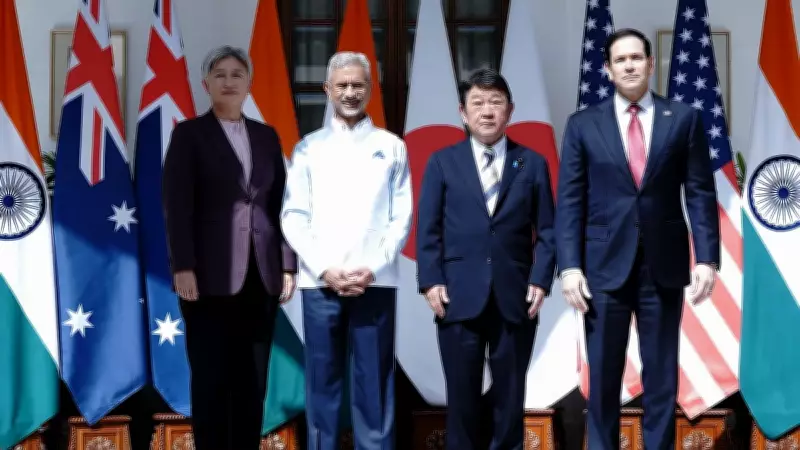
External Affairs Minister S. Jaishankar announced the development on social media, highlighting productive discussions with US Secretary of State Marco Rubio, Australian Foreign Minister Penny Wong, and Japanese Foreign Minister Takeshi Iwaya. The Quad meeting also yielded agreements on the Indo-Pacific Maritime Surveillance Initiative and a Common Operating Picture in the maritime domain.

Strategic Implications
Critical minerals such as lithium, cobalt, and rare earth elements are vital for manufacturing batteries, electric vehicles, electronics, and defense systems. China's near-monopoly on processing these minerals has raised security concerns among Western nations and their allies. This deal marks a significant step toward diversifying supply chains and ensuring resilience against geopolitical disruptions.
The agreement is expected to boost investments in mineral exploration and processing infrastructure in both countries. It also aligns with broader efforts by the Quad to strengthen economic security and counterbalance China's influence in the Indo-Pacific region.
Reactions and Next Steps
Industry experts have welcomed the initiative, noting that it could accelerate the development of alternative supply chains. The framework will likely be followed by more detailed bilateral agreements and joint ventures between companies in the US and India. Both nations are also expected to collaborate with other like-minded countries to expand the network of reliable suppliers.
The Quad foreign ministers reaffirmed their commitment to a free and open Indo-Pacific, with critical mineral cooperation being a key pillar of their shared strategy. The next steps include implementing the agreed initiatives and exploring additional areas of collaboration.