

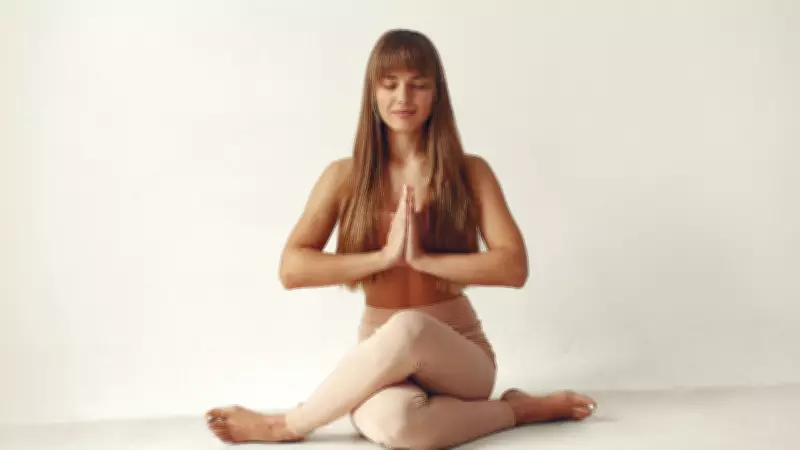
Yoga's Powerful Role in Managing PCOS Symptoms and Inflammation
Polycystic ovary syndrome (PCOS) represents a significant health challenge affecting approximately 10-13% of women during their reproductive years, according to World Health Organization estimates. Many cases remain undiagnosed, leaving women to struggle with symptoms that extend far beyond irregular menstrual cycles and skin issues. At the core of many PCOS manifestations lies a persistent, low-grade inflammation coupled with insulin resistance that quietly disrupts bodily functions over time.
This chronic inflammation can gradually interfere with normal ovulation processes, elevate androgen levels, and slow metabolic functions. While medical intervention remains crucial, emerging research suggests that incorporating yoga into treatment plans can provide substantial supportive benefits. A comprehensive review published in the National Library of Medicine documented yoga's positive effects on insulin resistance, lipid profiles, and stress markers among women with PCOS.
How Yoga Addresses Multiple PCOS Challenges
Yoga operates through several interconnected mechanisms to support women with PCOS. The practice effectively reduces cortisol levels, enhances blood circulation to pelvic organs, and improves insulin sensitivity throughout the body. Additionally, yoga strengthens major muscle groups, enabling more efficient glucose utilization and metabolic regulation.

Beyond physical benefits, yoga's emphasis on mindful breathing and stress reduction helps calm the nervous system, decreasing inflammatory signals that can exacerbate PCOS symptoms. The connection between emotional wellbeing and hormonal balance proves particularly significant in PCOS management, where stress often worsens both physical symptoms and metabolic dysfunction.
Seven Targeted Yoga Poses for PCOS Management
Surya Namaskar: The Comprehensive Flow Sequence
Surya Namaskar represents not a single posture but a flowing sequence of twelve interconnected poses that gently elevate heart rate and engage multiple muscle groups. This cardiovascular component proves particularly valuable for addressing insulin resistance, a central feature in many PCOS cases. As muscles contract repeatedly during the sequence, they actively draw glucose from the bloodstream, improving insulin sensitivity over consistent practice.
Research published on the Government of India's research portal reported improved fasting blood glucose levels following regular yoga practice among women with PCOS. The synchronized rhythm of breath with movement further reduces stress hormones, decreasing abdominal fat storage tendencies and inflammatory signaling.
Malasana: The Deep Squat for Pelvic Circulation
Malasana, or the deep squat pose, opens hip joints while stimulating blood flow to pelvic regions. This enhanced circulation addresses two common PCOS concerns: reduced ovarian blood flow and metabolic sluggishness. The pose actively engages gluteal and thigh muscles—substantial muscle groups that significantly influence glucose regulation.
Holding Malasana for 30-60 seconds with steady breathing provides gentle massage to abdominal organs, supporting digestive functions that often become compromised in PCOS. While not directly eliminating ovarian cysts, this pose offers systemic metabolic support through improved circulation and muscle engagement.
Bhujangasana: Cobra Pose for Adrenal Support
Bhujangasana stretches abdominal muscles while strengthening the lower back region. This posture specifically stimulates adrenal glands, which regulate crucial stress hormones. Since chronic stress increases inflammatory cytokines that worsen hormonal imbalances in PCOS, calming the nervous system through this pose improves communication between brain and ovarian functions—a connection frequently disrupted in PCOS.
Setu Bandhasana: Bridge Pose for Thyroid and Metabolic Support
Setu Bandhasana activates gluteal and hamstring muscles while gently compressing the thyroid region. This proves particularly beneficial given the frequent intersection between thyroid dysfunction and PCOS, especially in cases of subclinical hypothyroidism. The pelvic lift improves reproductive organ blood flow while engaging posterior chain muscles supports metabolic rate enhancement.

Regular practice of Bridge Pose may improve emotional wellbeing and reduce anxiety levels, factors that significantly influence hormonal balance in ways often underestimated in conventional treatment approaches.
Ardha Matsyendrasana: Gentle Twist for Digestive Efficiency
This seated spinal twist compresses and releases abdominal organs in rhythmic fashion, improving circulation and potentially enhancing digestive efficiency. Better digestive function supports stable blood sugar levels, reducing insulin spikes that can trigger excess androgen production—a hallmark characteristic of PCOS.
Slow, deliberate breathing during Ardha Matsyendrasana activates the parasympathetic nervous system, shifting the body toward rest-and-digest mode and reducing overall inflammatory load.
Balasana: Child's Pose for Stress Reduction
Despite its apparent simplicity, Balasana delivers profound effects by slowing heart rate and calming mental activity. Since chronic stress exacerbates PCOS symptoms through increased cortisol production and insulin resistance, restorative poses like Child's Pose help interrupt this damaging cycle, providing crucial nervous system reset opportunities.
Viparita Karani: Restorative Inversion for Circulation and Sleep
This gentle legs-up-the-wall inversion improves venous return while calming the nervous system, addressing the fatigue commonly reported in PCOS. Enhanced circulation may reduce pelvic congestion, while decreased stress hormone output supports overall hormonal balance.
Practicing Viparita Karani for 5-10 minutes before bedtime may improve sleep quality—a critical factor since poor sleep diminishes insulin sensitivity and increases inflammation, while quality sleep produces opposite, beneficial effects.
Integrating Yoga into Comprehensive PCOS Management
While these seven poses offer targeted support for PCOS-related inflammation and hormonal imbalance, they work most effectively as part of a comprehensive management approach that includes medical supervision, nutritional support, and lifestyle modifications. The cumulative benefits of regular yoga practice—improved insulin sensitivity, reduced inflammatory markers, better stress management, and enhanced metabolic function—create a supportive foundation for managing PCOS symptoms and improving overall quality of life.
Women with PCOS should consult healthcare providers before beginning any new exercise regimen, particularly those with specific health complications. When practiced consistently and correctly, yoga provides a valuable, accessible tool for addressing the multifaceted challenges of polycystic ovary syndrome through both physiological and psychological pathways.





