

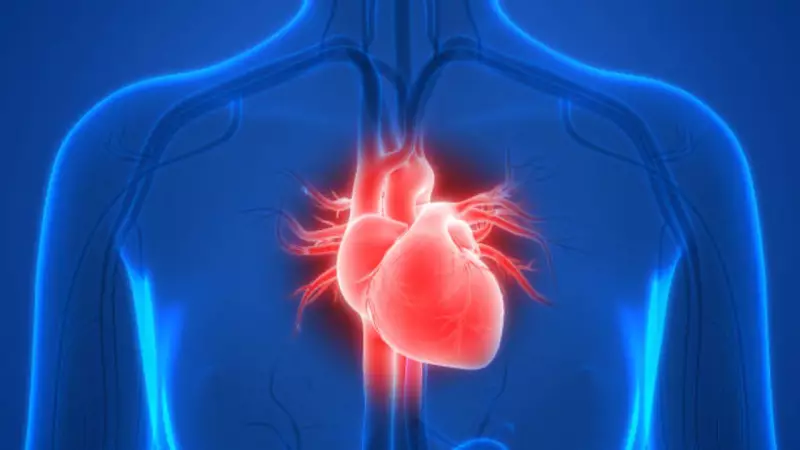
Wondering about the state of your heart without rushing to a clinic? According to leading cardiologists, your body provides daily, observable clues about your cardiovascular well-being. While these signs are not a substitute for professional medical tests, they offer a valuable and simple first line of self-assessment you can perform from the comfort of your home.
Key Physical Indicators of Heart Health
Your resting heart rate is a primary indicator. A calm, strong heart typically beats between 60 and 80 times per minute when you are at rest. This range suggests your heart muscle is working efficiently without undue strain. You can check this easily by placing two fingers on your wrist or neck, counting the pulses for 30 seconds, and multiplying by two. A consistently high or irregular pulse, however, warrants a doctor's consultation.
Another reliable fitness test is climbing a flight of stairs. If you can do this comfortably without gasping for breath, experiencing chest tightness, or feeling excessively fatigued, it's a positive sign. It indicates good blood flow and adequate oxygen supply to your muscles. Be alert to any difficulty in breathing or a feeling of pressure in the chest, which requires immediate medical attention.

Monitoring Vital Signs and Bodily Changes
Keeping your blood pressure under control is crucial for long-term heart health. A reading around 120/80 mmHg is considered normal. High blood pressure can damage blood vessels silently over time, increasing the risk of heart attacks and strokes. Using a basic digital monitor at home can help you track this vital statistic. Do not ignore persistently high readings or sudden changes.
Pay close attention to your feet and ankles. A healthy heart pumps blood effectively, preventing fluid buildup. Swelling in the lower legs, ankles, or feet can be an early warning sign of the heart struggling, potentially pointing to issues like heart failure or poor circulation. A simple check: press your finger gently on your shin or ankle. If the indentation remains for a while, it's time to see a doctor.
Lifestyle and Metabolic Markers
Quality sleep is deeply connected to heart function. Waking up refreshed regularly suggests your heart is getting sufficient oxygen and maintaining a steady rhythm at night. Conversely, interrupted sleep, waking up breathless, or needing multiple pillows to sleep comfortably may signal underlying problems. Notably, loud snoring and gasping could indicate sleep apnea, a serious risk factor for heart disease often overlooked.
Stable energy levels throughout the day are another sign of a well-functioning heart. If you can handle daily tasks without unexplained or extreme fatigue, your heart is likely delivering oxygen and nutrients effectively. Be concerned if you feel unusually tired after light activity or experience sudden bouts of fatigue.
Finally, managing cholesterol and blood sugar levels is paramount. Normal lipid and glucose profiles indicate your arteries are not under stress. High cholesterol can narrow blood vessels, while uncontrolled sugar levels damage them. Use portable glucometers for sugar checks and ensure you get yearly cholesterol tests, even if you feel perfectly fine, advises Dr. Ashish Kumar, Cardiologist at Amrita Hospital, Faridabad.
By incorporating these simple observations into your routine, you can take a proactive role in monitoring your heart health and seeking timely medical advice when needed.






