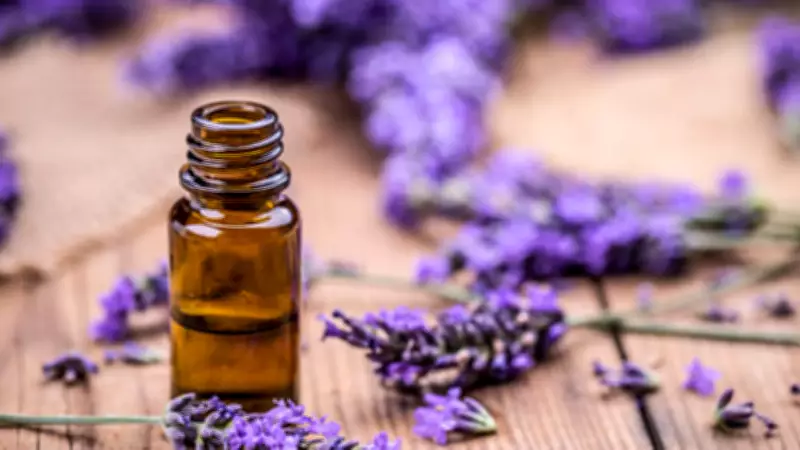
Aromatherapy, the practice of using natural plant extracts such as essential oils for overall well-being, is gaining popularity in Indian households. Many parents now use essential oils like lavender, chamomile, and sandalwood for various purposes, often diluted with a carrier oil. However, not all essential oils are safe for children. Strong oils like peppermint, eucalyptus, and rosemary can be harmful, especially for children under six years old.
Is Aromatherapy Safe for Kids?
Wellness professionals indicate that aromatherapy can be safe for children aged two and older when used in moderation. For infants, it is best to avoid aromatherapy unless under professional guidance. Certain oils, such as lavender, chamomile, and sandalwood, are considered relatively safe for children when used in small, diluted amounts. However, strong oils like peppermint, eucalyptus, and rosemary should be avoided for children under six, as they may cause adverse respiratory reactions and irritability.
Do's of Using Aromatherapy for Children
One of the most important rules in aromatherapy is dilution. Essential oils should never be applied directly to a child's skin. Instead, they must be mixed with a carrier oil, such as coconut or almond oil, in a highly diluted ratio—typically one drop of essential oil per tablespoon of carrier oil. Diffusers are a safer option as they avoid direct skin contact, but ensure good ventilation and limit diffusing time to 30–60 minutes. Always perform a patch test on a small area of skin before use. Additionally, purchase oils from reputable companies that offer pure, natural essential oils rather than synthetic ones.

Things for Parents to Avoid
Keep essential oils away from children's eyes, nose, and mouth to prevent suffocation and burning risks. Never allow children to ingest essential oils, as they are toxic. Do not use aromatherapy with children if there is a high risk of adverse reactions, especially for those with asthma, skin sensitivities, or allergies. Always consult a pediatrician before starting aromatherapy, particularly for children with underlying health conditions.
When to Be More Careful
Consult a pediatrician before beginning aromatherapy, especially for children with asthma, skin sensitivities, or allergies. Strong scents can trigger allergic reactions. In summary, while essential oils offer many benefits, they must be used with great care and caution when it comes to children. Proper dilution, safe application methods, and professional advice are essential for a positive experience.