

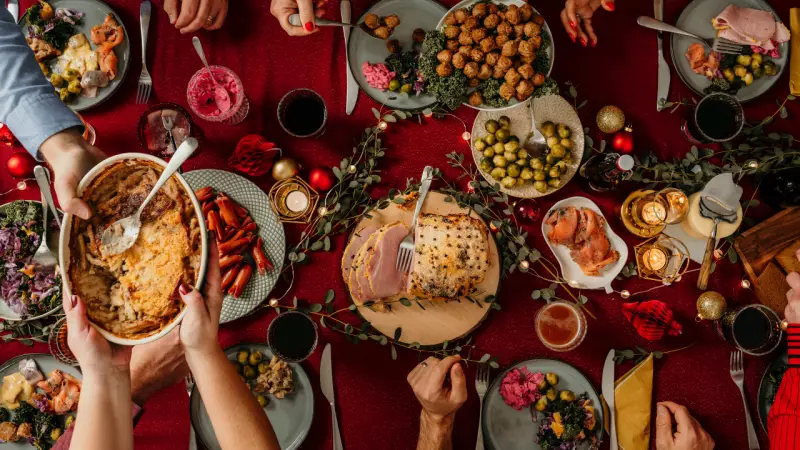
The festive season in India is a time for joy, family, and indulgent feasts. However, the very dishes that define our celebrations—sugar-laden sweets, richly spiced curries, and heavy meat-based platters—can often lead to an uncomfortable aftermath: severe heartburn. Late-night dinners and an ever-present dessert table, while beloved, can be a recipe for digestive disaster. The good news is that with some mindful adjustments, you can savour the flavours of the season without the discomfort.
Christmas Culprits: Foods That Trigger Acid Reflux
Research indicates that traditional holiday foods are not just "heavy"; they physically relax the lower esophageal sphincter (LES). This valve acts as a gatekeeper between your stomach and esophagus. When it loosens, stomach acid can flow back up, causing that familiar burning sensation.
Several classic festive dishes fall into the "refluxogenic" category. Fatty foods are prime offenders. Creamy sauces, cheesy baked dishes, butter-laden mashed potatoes, fried snacks, and fatty cuts of meat slow down stomach emptying and reduce LES pressure, leaving the esophagus vulnerable to acid.

Chocolate delights like dark chocolate truffles and rich cakes are common triggers. The caffeine and methylxanthines in pure cocoa products are known to relax the LES. Similarly, holiday favourites flavoured with peppermint can be problematic, as peppermint oil is clinically shown to reduce the resting pressure of the LES in individuals prone to reflux.
Tomato-based party foods add a double whammy of acidity and fat. Pizza slices with fatty cheese, lasagna, and spicy tomato gravies increase the overall acidity of your meal, irritating a sensitive esophagus. Citrus-infused dishes, like orange-glazed meats or lemon-based desserts, are also known to worsen GERD symptoms due to their high acid content.
Beverages That Secretly Worsen The Burn
What you drink is just as important as what you eat. Alcoholic beverages—wine, beer, and cocktails—are directly linked to reduced LES pressure and increased exposure to stomach acid, explaining why heartburn often follows a festive toast.
Caffeinated drinks, like a strong cup of coffee after a big meal or coffee-inspired desserts like mocha, can stimulate acid secretion and further relax the LES. Furthermore, carbonated drinks, from soft drinks to sparkling water, increase gas and abdominal pressure. This can force stomach contents upward, especially when combined with overeating.
Proven Strategies for a Comfortable Holiday Feast
You don't have to miss out on the festivities. Implementing a few simple strategies can make a world of difference.
First, manage your portions. Opt for a smaller first helping and wait before going back for seconds. This minimizes stomach distension, which puts pressure on the LES. Eat slowly and pause between bites to aid digestion. If you enjoy spicy food, follow it with a little warm water to help neutralise acidity.
Avoid late dinners whenever possible. Aim for a gap of at least 2 to 3 hours between your last meal and lying down, allowing your stomach to empty partially. If you know specific items like dark chocolate or tomato-rich foods trigger you, schedule small tastes earlier in the evening rather than at a late-night feast.
There are also effective, non-medication remedies. Chewing sugar-free gum after eating stimulates saliva flow, which helps neutralise and wash away acid in the esophagus. Remaining upright after a meal, perhaps by taking a gentle stroll, uses gravity to keep stomach contents where they belong and is a highly recommended preventive measure.
By understanding the triggers and adopting these practical tips, you can fully embrace the joy and deliciousness of the holiday season, keeping heartburn at bay.






