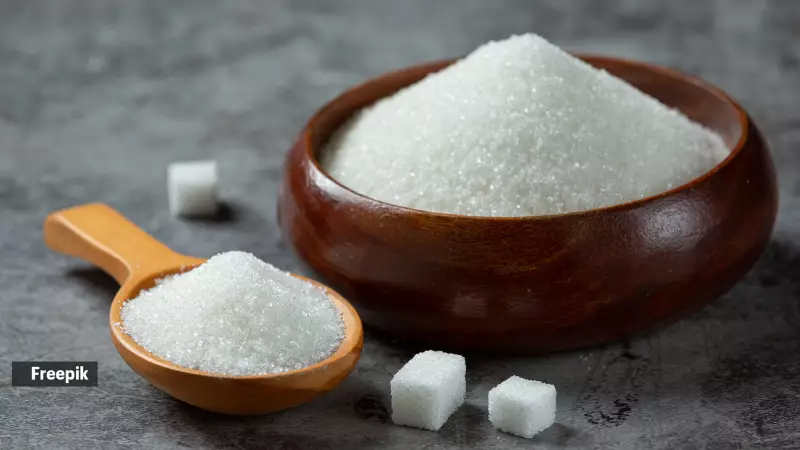
Health experts universally flag sugar as a major concern, and for good reason. While it provides a quick dopamine boost and enhances flavour, this silent culprit hidden in processed foods can spike blood sugar and lead to long-term health issues. However, ditching refined sugar doesn't mean abandoning sweetness. Nature and science offer numerous healthier alternatives that can satisfy cravings while being kinder to your body.
The Expert's Verdict on Sweeteners and Digestion
Dr. Anupama N K, Consultant in Medical Gastroenterology at Aster CMI Hospital in Bangalore, provides a specialist's perspective. She explains that from a gastroenterologist's viewpoint, sweeteners are evaluated primarily based on their impact on digestion, gut health, acidity, bloating, and long-term intestinal balance. Her crucial advice is that no sweetener is completely harmless, and moderation remains the golden rule. Here is her detailed ranking, from the most harmful to the most gut-friendly options.
From Worst to Best: The Sweetener Ranking
White Sugar: Topping the list as the worst for gut health is white sugar. It is highly refined and acts as fuel for harmful gut bacteria. Its consumption can lead to increased acidity, gas, and inflammation within the digestive tract. Regular intake may exacerbate conditions like acid reflux, irritable bowel syndrome (IBS) symptoms, and even contribute to fatty liver disease.
Brown Sugar: This option is only marginally better than its white counterpart. In the gut, it behaves much like refined sugar, still causing bloating and acidity. The minimal mineral content it possesses does little to shield the digestive system from its negative effects.
Jaggery: For some individuals, jaggery is less processed and can be easier to digest compared to refined sugar. In small amounts, it may even aid bowel movements. However, overconsumption can trigger gas, loose stools, and acidity, particularly in those with sensitive stomachs. Similar to white sugar, regular high intake can worsen acid reflux, IBS, and fatty liver disease.
Honey: When consumed in small quantities, honey is gentler on the stomach. It possesses antibacterial properties and may support gut healing. The caveat is its high fructose content; excess honey can lead to bloating, loose stools, and reflux.
Erythritol: This sugar alcohol is generally considered safe for the gut because it is primarily absorbed in the small intestine. It produces less gas compared to other sugar alcohols. Nevertheless, large amounts may still cause stomach discomfort in sensitive people.
Stevia: A plant-based sweetener, stevia does not affect blood sugar levels and is easy on digestion when used sparingly. However, some processed stevia products containing added fillers might cause bloating or nausea.
Monk Fruit: Crowned as the best option for gut health, monk fruit sweetener does not ferment in the gut, does not cause bloating, and does not increase acidity. It is well-tolerated, even by individuals with IBS.
How to Manage Your Sugar Intake: Practical Steps
The World Health Organization (WHO) recommends that both adults and children reduce their daily sugar intake to about 58 grams, or approximately 14 teaspoons. This should constitute between 5% and 10% of total caloric intake.
Dr. Anupama suggests a simple strategy to get started. First, keep a detailed log of everything you eat during a typical day—what you eat, when you eat, and how much you eat. Secondly, monitor your consumption of fresh vegetables and whole fruits, and consciously identify foods that contain added sugars.
Based on this awareness, set an achievable goal. This could involve either increasing the amount of whole fruits and vegetables you eat or decreasing the amount of added sugar in your daily diet. This mindful approach allows you to track and adjust your sugar consumption effectively.
Disclaimer: This article is based on information from the public domain and expert insights. It is essential to consult your healthcare practitioner before making any significant changes to your diet or health routine.