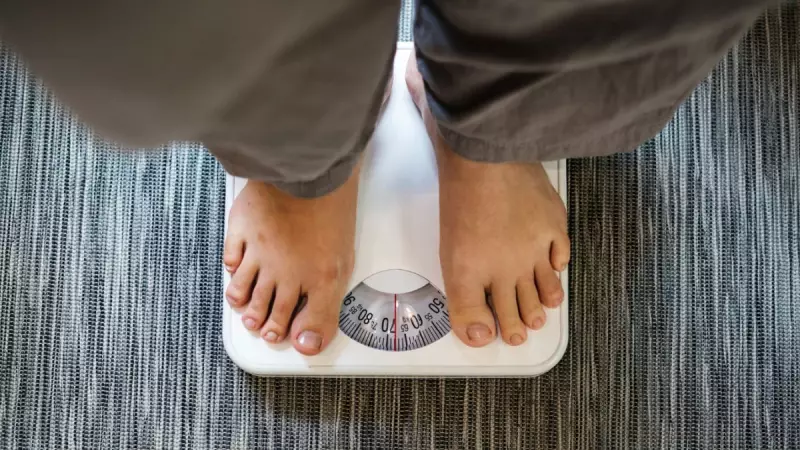
What Is the Correct Time to Measure Your Weight? Experts Reveal the Best Practices
When it comes to monitoring your health and fitness journey, tracking your weight is a common practice. However, many people wonder about the correct time to measure their weight to get the most accurate and consistent results. According to health experts, the timing of your weight measurement can significantly impact the readings due to various physiological factors.
Why Timing Matters in Weight Measurement
Your body weight can fluctuate throughout the day due to several reasons, including food intake, hydration levels, and physical activity. These fluctuations can lead to misleading readings if you weigh yourself at different times each day. For instance, weighing yourself after a large meal or during the evening might show a higher number compared to the morning.
Experts emphasize that consistency is key when it comes to weight tracking. By measuring your weight at the same time each day, you can get a more reliable trend over time, helping you make informed decisions about your health and fitness goals.

The Ideal Time to Weigh Yourself
Most health professionals recommend measuring your weight in the morning, right after waking up and using the bathroom. This is because your body has had time to process food and fluids overnight, leading to a more stable weight reading. Additionally, you are likely to be in a fasted state, which reduces the impact of recent meals on the scale.
Here are some reasons why morning is considered the best time:
- Consistent Conditions: Morning measurements are taken under similar conditions each day, such as after a night's sleep and before eating.
- Reduced Variability: Factors like exercise, meals, and hydration have minimal influence at this time.
- Better Tracking: It allows for easier comparison of daily or weekly progress.
Factors That Affect Weight Readings
Understanding the factors that can cause weight fluctuations is crucial for accurate measurement. Some common elements include:
- Hydration Levels: Drinking water or other fluids can temporarily increase your weight.
- Food Intake: Consuming meals, especially those high in sodium or carbohydrates, can lead to water retention and higher readings.
- Physical Activity: Exercise can cause sweat loss, reducing weight, or muscle gain, which might increase it over time.
- Hormonal Changes: Hormonal fluctuations, particularly in women, can affect weight due to water retention.
- Clothing and Scale: Wearing heavy clothes or using an inconsistent scale can skew results.
Tips for Accurate Weight Measurement
To ensure you get the most accurate and useful weight readings, follow these expert tips:
- Measure at the Same Time Daily: Stick to a routine, preferably in the morning, for consistency.
- Use the Same Scale: Different scales can give varying readings, so use one reliable device.
- Wear Minimal Clothing: Weigh yourself in light or no clothing to avoid added weight from attire.
- Track Trends, Not Daily Numbers: Focus on weekly or monthly trends rather than daily fluctuations to assess progress.
- Consider Other Metrics: Combine weight measurement with other indicators like body measurements or how your clothes fit for a holistic view.
By following these guidelines, you can make weight tracking a more effective tool in your health and wellness journey. Remember, weight is just one aspect of overall health, and it's important to consider other factors like diet, exercise, and mental well-being.