

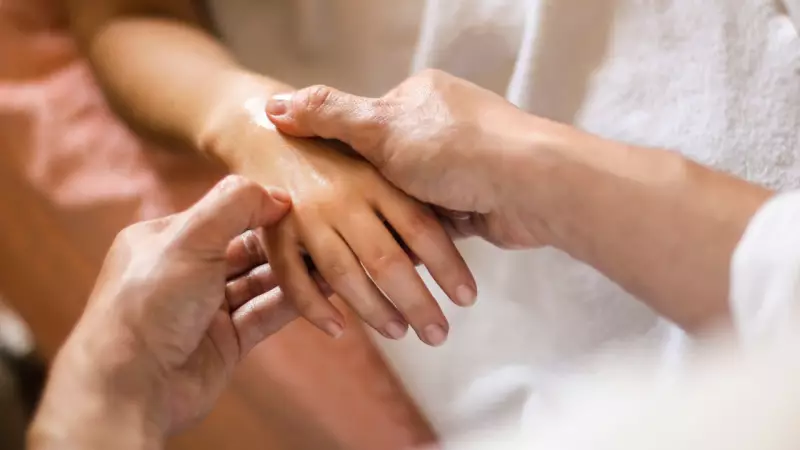
In the modern medical landscape of Bihar, where allopathy continues to be the dominant system, a significant shift is underway. A growing number of residents are now exploring alternative healing methods to find relief from their health issues.
The Rise of Unconventional Healing in Bihar
Over the last ten years, Bihar has experienced a notable increase in the popularity of non-mainstream medical practices. This movement is driven by various factors, including lower costs, the appeal of natural remedies, and a preference for holistic, non-invasive treatments. The trend extends well beyond the traditional Indian systems of Ayurveda, Siddha, and Unani.
Today, a diverse range of therapies is attracting followers. These include homeopathy, naturopathy, yoga, meditation, and several niche healing techniques. Practitioners advocate methods involving herbal solutions, strict diets, massage, and energy work. They claim these approaches restore the body's balance, promote overall wellness, and offer an alternative to the pill-centric model of modern medicine.

Dr. Rajiv Ranjan Prasad, the former state president of the Indian Medical Association, emphasizes harmony between different systems. "Allopathy is not against any other system of medicine. The good points of all the systems should be applied for providing relief to the ailing patients," he stated. He recalled that more than four decades ago, Dr. S. Srinivas, founder director of the Indira Gandhi Institute of Cardiology at PMCH, initiated polypathy for better treatment of patients with various diseases.
Exploring the Spectrum of Alternative Therapies
The appetite for these treatments is expanding across both rural and urban households in Bihar. Wellness seekers are experimenting with an extensive array of practices:
- Rejuvenation Therapy (Panchakarma): This Ayurvedic practice combines massage, fasting, and other techniques to cleanse the body. Naturopathic practitioner Ramashankar Ojha explains that it improves digestion, strengthens immunity, reduces anxiety, and enhances sleep quality and mental clarity.
- Acupressure Therapy: Rooted in Chinese medicine, it applies pressure to specific body points to ease tension, improve blood flow, and stimulate energy. It is used for pain, nausea, and stress relief, though not as a replacement for serious medical care.
- Reiki Healing: A Japanese technique from the early 20th century, Reiki involves channeling life force energy through gentle touch or hand placements above the body to promote relaxation and balance energy fields.
- Cupping Therapy: This ancient method uses vacuum suction on the skin. Physiotherapist Dr. Rajnish Kumar notes its origins trace back to Egyptian practice around 5500 years ago, later spreading to Greece and India.
- Dry Needling Therapy: A modern intervention using thin needles to target myofascial trigger points, alleviating musculoskeletal pain and movement issues.
- Fish Therapy (Ichthyotherapy): This unusual practice involves immersing feet in tanks with Garra rufa or "doctor fish," which nibble away dead skin for natural exfoliation, improved circulation, and stress reduction.
- Aromatherapy: Using plant essential oils to manage pain, reduce anxiety, improve sleep, soothe joints, and boost immunity. Advocates also claim benefits for migraines and chemotherapy side effects.
A New Chapter in Bihar's Healthcare Narrative
From ancient leech applications to aromatic oils, Bihar is transforming into a vibrant ground for healing experiments that operate outside conventional hospitals. This movement signifies a broader search for wellness that integrates or complements established medical science. The growing public interest suggests that the future of healthcare in the state may increasingly embrace a blended, patient-centric approach, drawing on the strengths of multiple systems as envisioned by medical pioneers decades ago.






