

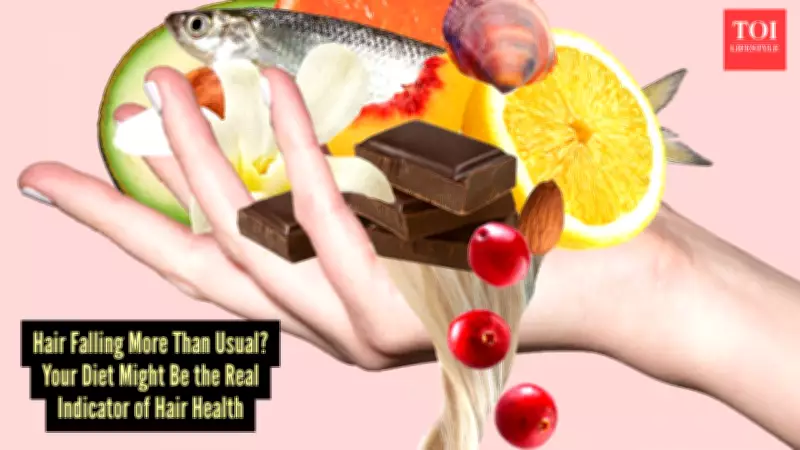
Forget Expensive Serums: Your Breakfast Table Holds the Real Secret to Glossy Hair
Are you still hoping that expensive ₹2,000 miracle serum will finally rescue your hair? Honestly, you're looking in the wrong place. The real blueprint for those glossy, healthy locks doesn't come in a fancy glass bottle—it actually begins right at your breakfast table.
Your Hair Follicles: High-Speed Factories with Massive Appetites
Think of your hair follicles as high-speed, 24/7 factories. They house some of the most rapidly dividing cells in your entire body, and they have an enormous appetite for the right fuel. These are among the fastest-growing cells we possess, requiring constant, high-quality nutrition to function optimally.
Here's the critical reality: your body is a survivalist. It views hair as a luxury, a non-essential accessory. When your diet hits a slump or becomes deficient, your system shamelessly pulls the plug on your hair first to prioritize keeping your heart, lungs, and other vital organs running. If your nutrition is lacking in any significant way, your body hits the panic button and immediately redirects those precious nutrients away from your hair to support essential bodily functions.

Because of this biological prioritization, the state of your hair acts as a fantastic, visible barometer for your overall nutritional health. To understand how our daily meals directly translate to hair growth, let's break down the essential science of what your strands actually need to thrive and flourish.
The Foundation: Protein and Healthy Fats for Strong Hair
When it comes to building beautiful, resilient hair, macronutrients are the true heavy lifters. First and foremost is protein. Your hair is primarily composed of a specific structural protein known as keratin. If you consistently skimp on your daily protein intake, your body is forced to prematurely shift your hair out of its active growing phase (anagen) and into its resting and shedding phases (telogen). The inevitable result is brittle, weak strands and noticeable, distressing thinning.
To prevent this protein deficiency scenario, ensure you are loading up on high-quality protein sources. Excellent options include:
- Lean meats like chicken and turkey
- Eggs
- Fatty fish such as salmon and mackerel
- Plant-based proteins like lentils, chickpeas, and tofu
- Greek yogurt and other dairy products
Next, we have Omega-3 fatty acids. Your body cannot magically produce these essential fats on its own, but they are absolutely crucial for maintaining a healthy, nourished scalp environment. Omega-3s nourish the sebaceous glands surrounding your hair follicles, helping them produce the natural sebum that keeps your scalp properly hydrated and your hair silky smooth. Make sure to add these Omega-3-rich foods to your weekly grocery list:
- Fatty fish like salmon, sardines, and trout
- Chia seeds and flaxseeds
- Walnuts and other nuts
- Avocados
The Ultimate Vitamin and Mineral Mix for Optimal Growth
You simply cannot ignore the powerful role of micronutrients in hair health. Iron is a massive player here, as it helps produce hemoglobin, which acts like a dedicated delivery truck, carrying oxygen straight to your hair roots and follicles. Iron deficiency is actually one of the most common nutritional culprits behind hair loss, especially prevalent among women. Stock up on iron-rich foods like spinach, kale, lentils, beans, and red meat.
Here is a quick absorption hack: pair your plant-based iron sources with a splash of Vitamin C, like lemon juice or bell peppers, to significantly boost your body's iron absorption efficiency!
Zinc is another unsung hero in the hair growth story. It plays a vital role in repairing hair tissue and keeping your scalp's oil glands functioning perfectly. Experiencing sudden, unexplained hair shedding? It could very well be a zinc deficiency. Combat this by grabbing a handful of pumpkin seeds, incorporating oysters or beef into your diet, or enjoying some chickpeas.

Of course, the B-vitamins—especially Biotin (B7) and B12—are famous in the beauty and wellness world for excellent reason. They actively help produce keratin and support the creation of red blood cells that feed and nourish your scalp. Vitamin C is equally vital; it serves as a powerful antioxidant that fights off cellular damage and helps your body synthesize collagen, a key protein that prevents your hair from aging prematurely and breaking easily.
Finally, ensure you get some safe sun exposure or consume fortified foods like milk and cereals for Vitamin D. Emerging research strongly suggests that Vitamin D plays a direct role in creating brand-new hair follicles and maintaining the hair growth cycle.
Popping Pills vs. Eating Real Food: The Safer Path to Hair Health
Before you rush to the pharmacy to buy every hair gummy and supplement on the shelf, remember this crucial caveat: more is not always better. In fact, toxic, over-supplemented levels of certain nutrients like Vitamin A and Selenium are medically documented to cause significant hair loss and other health issues.
Clinical studies consistently demonstrate that our bodies absorb and utilize nutrients much more effectively from whole, natural foods rather than from high-dose, isolated supplements. Unless your doctor has specifically diagnosed a nutritional deficiency via comprehensive blood tests, eating a balanced, varied diet is the safest and most effective route to sustainable hair health.
Finally, patience is absolutely key. Hair only grows about half an inch per month on average. You won't see dramatic changes overnight, but if you consistently stick with a nutrient-dense, balanced diet for three to six months, you will begin to see a visible, lasting difference in your hair's thickness, strength, shine, and overall growth rate. True hair transformation begins from within, powered by the quality of nutrition you provide your body every single day.





