

How to Build a Reading Routine That Kids Will Actually Enjoy and Stick To
In today's world, screens capture children's attention with fast-paced content. For many parents, establishing a regular reading practice feels like an uphill battle. Yet reading remains one of the most powerful tools for a child's cognitive growth, emotional understanding, and language skills. The key lies not in forcing reading but in weaving it gently into daily life. Make it appealing, predictable, and rewarding. Here is a step-by-step guide to building a reading routine that children will truly embrace.
Start Small and Keep It Pressure-Free
Parents often make the mistake of setting overly ambitious reading goals too soon. Instead of aiming for thirty minutes daily, begin with just five to ten minutes. This short duration reduces resistance and makes reading feel achievable rather than overwhelming. Focus on frequency, not volume. When children sense no pressure to perform or finish chapters, they relax and enjoy the time more. These brief reading moments naturally extend as kids grow older.
Establish a Specific Daily Reading Time
Children thrive on routine, and reading is no exception. Choose a consistent time each day, like before bedtime, after school, or right after dinner. This allows reading to integrate organically into the schedule instead of feeling like an extra chore. With consistency, reading becomes the expected norm, something children anticipate eagerly. A fixed timeline minimizes daily debates and reminders for both parents and kids.

Let Kids Choose What They Read
A reading routine sticks best when children feel a sense of control. Give them ownership and excitement by letting them pick their books. It could be comics, picture books, short stories, or non-fiction on their favorite topics. The goal is to nurture a love for reading, not to push serious literature too early. When children read about subjects that genuinely interest them, they associate reading with enjoyment rather than duty.
Create a Cosy Reading Environment
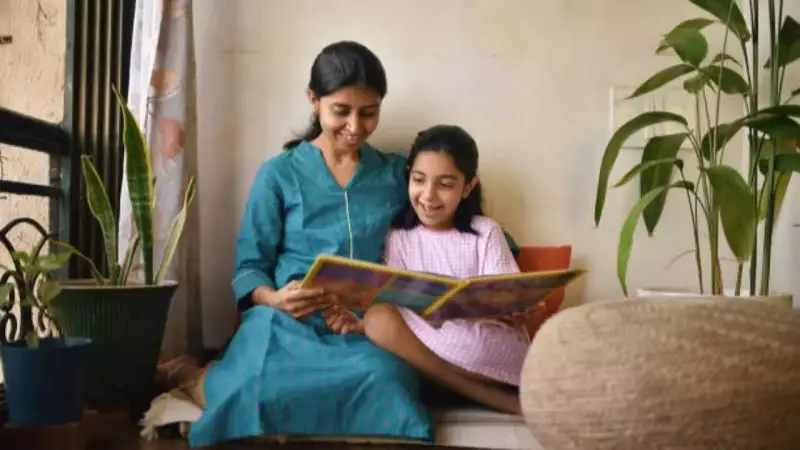
A child's willingness to read is heavily influenced by their surroundings. Designate a quiet corner with good lighting, comfortable seating, and minimal distractions. This signals that reading time is special. It doesn't need to be elaborate. A cushion, a small bookcase, or a favorite blanket can work wonders. When kids link reading with comfort and calm, they're more likely to return to it willingly, especially during stressful or overstimulating times.
Be a Reading Role Model
Children learn more from examples than from instructions. When parents read regularly—books, newspapers, or e-books—it sends a strong message that reading is both important and enjoyable. Reading together, even silently side by side, amplifies this effect. Share what you're reading or discuss stories informally to spark interest. As long as children see reading as an everyday activity for adults too, they'll be more inclined to make it a regular habit.
Celebrate Consistency, Not Perfection
A reading routine isn't about never missing a day. It's about returning to it without guilt. Initially, celebrate your child's effort, even if they read only a little. Small rewards, words of appreciation, or a reading chart can motivate younger children. Avoid scolding them for missed days, as this creates negative associations. When supported rather than judged, children develop confidence and are far more likely to stick with reading in the long run.






