Lok Sabha Revokes Suspension of Eight Opposition MPs with Immediate Effect
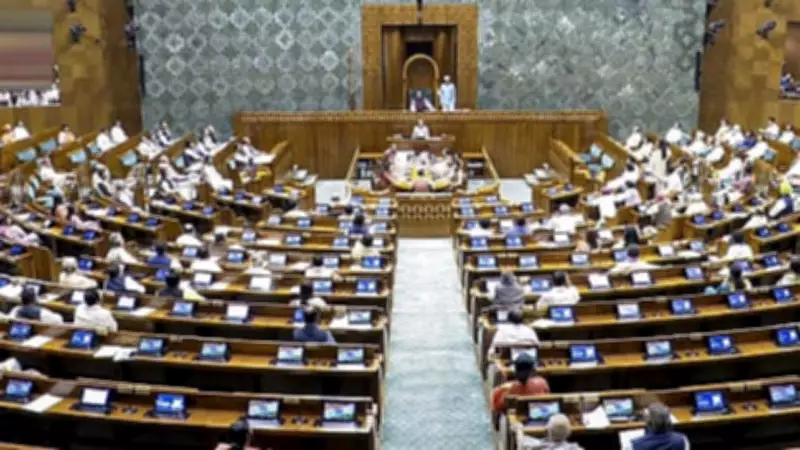
In a significant development in Indian parliamentary proceedings, the Lok Sabha has officially revoked the suspension of eight Opposition Members of Parliament with immediate effect. This decision marks a notable shift in the ongoing dynamics within the legislative body, bringing these representatives back to active participation in House debates and discussions.
Speaker Om Birla Announces New Parliamentary Conduct Rules
Concurrently with the revocation announcement, Lok Sabha Speaker Om Birla introduced stringent new regulations governing conduct within the parliamentary premises. The Speaker emphasized the critical need to maintain decorum and professionalism during legislative sessions, specifically addressing the issue of visual displays that have become increasingly common in recent sessions.
The new rules explicitly prohibit the display of any placards, posters, photographs, or AI-generated images both inside the House chamber and throughout the entire Parliament complex. This comprehensive ban represents a firm stance against what parliamentary authorities have described as disruptive elements that detract from substantive legislative work.

Context and Implications of the Dual Announcements
The simultaneous announcements regarding MP suspensions and parliamentary conduct rules create an interesting juxtaposition in parliamentary governance. On one hand, the revocation demonstrates a willingness to reintegrate Opposition voices into legislative processes. On the other hand, the strict new rules establish clear boundaries for parliamentary behavior and expression.
Speaker Birla's directive specifically targets the growing trend of using visual aids during parliamentary proceedings, which has included both traditional printed materials and more contemporary AI-generated content. The prohibition extends beyond the main chamber to include all areas of the Parliament complex, ensuring consistent standards of conduct throughout the legislative environment.
Parliamentary Protocol and Future Proceedings
These developments come at a crucial time for parliamentary operations and inter-party relations. The immediate reinstatement of the eight Opposition MPs allows for fuller representation in upcoming legislative discussions, while the new conduct rules establish clearer parameters for parliamentary participation.
The Speaker's emphasis on maintaining parliamentary dignity and focus on substantive issues reflects ongoing efforts to streamline legislative processes and enhance productivity. This balanced approach—combining the restoration of parliamentary privileges with clearer behavioral expectations—may set important precedents for future parliamentary sessions and inter-party interactions.
As Parliament continues its work, these dual announcements will likely influence both the tone of debates and the methods of political expression employed within India's primary legislative body. The immediate implementation of both decisions underscores their importance in shaping contemporary parliamentary culture and operations.