

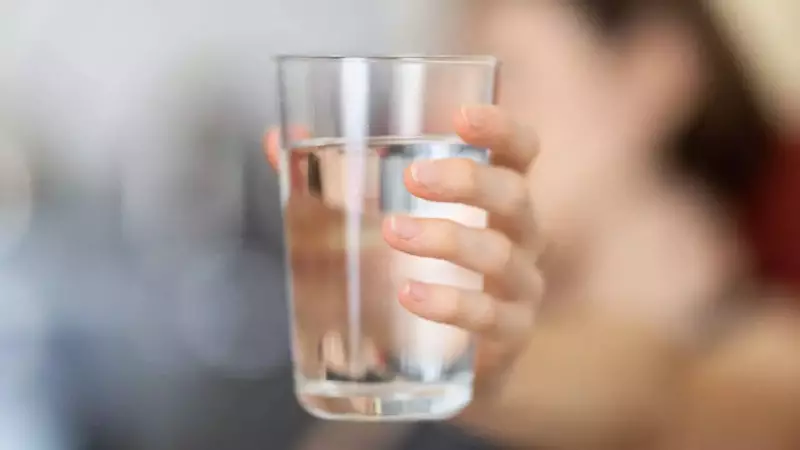
For many of us, the fastest way to quench thirst is to down a large glass of water in a few quick gulps. This seems especially satisfying after a workout, on a hot day, or during a meal. However, health and wellness experts are now challenging this common practice, suggesting that the speed at which we drink may be counterproductive. They argue that how we consume water is just as crucial as the quantity we drink.
The Rise of the 'Chewing Water' Habit
A growing wellness trend, popularly known as "chewing water," is gaining attention for its purported benefits. Advocates claim this method promotes smoother digestion, enhances the body's efficiency in absorbing water, and prevents the bloated or heavy feeling that often follows rapid drinking. While it might sound unusual initially, many who have adopted the practice report a surprisingly calming and comfortable sensation.
The science behind this idea finds some basis in research on oral processing. A peer-reviewed study published on Taylor & Francis Online explores how the time food or liquid spends mixing with saliva impacts digestion and absorption. Although the study primarily focuses on solid foods, experts extrapolate that allowing water to linger briefly in the mouth before swallowing could offer similar advantages for the digestive system. Saliva triggers essential digestive signals and prepares the stomach for incoming contents, which may explain why slow sipping often feels more comfortable than gulping.

How 'Chewing Water' Works and Its Potential Benefits
Contrary to what the name implies, "chewing water" does not involve actual chewing. Instead, it is a simple technique: take smaller sips, gently swirl the water in your mouth for a few seconds to mix it with saliva, and then swallow slowly. This deliberate process is believed to help regulate swallowing and ease the passage of water down the throat.
Nutritionists point out that gulping large volumes quickly can shock the stomach, trigger an immediate urge to urinate, and cause the body to expel water before it is adequately absorbed. This inefficient process is likely why many people experience discomfort, bloating, or a sudden feeling of fullness after drinking fast.
Improved Hydration and Digestion
Proponents of the slow-sipping method argue that "chewing water" helps the body utilize hydration more effectively. True hydration isn't just about intake; it's also about retention and distribution. When you sip slowly, your cells have time to absorb water gradually, rather than letting it rush through your system. This steady absorption could be particularly beneficial for individuals who struggle with dehydration despite drinking ample water.
From a digestive standpoint, specialists highlight that saliva contains enzymes that aid swallowing and may reduce irritation in the throat and oesophagus. By allowing water to mix with saliva first, people who experience acidity, reflux, or cough sensitivity after drinking might find relief. Even the sharp sensation from cold water can feel less jarring with this slower approach.
Connection to Mindful Eating and Appetite
The "chewing water" habit aligns closely with the principles of mindful eating. Slowing down encourages greater awareness of the body's hunger and satiety signals. Research indicates that drinking water before meals can help reduce calorie intake. Slow sipping during a meal may further prevent overeating by giving the brain sufficient time to register feelings of satisfaction. This practice fosters calmer eating rhythms and supports more relaxed digestion overall.
What Science Still Doesn't Confirm
Despite the trend's growing popularity and positive anecdotal reports, experts caution that more controlled, specific studies are needed. Most existing research focuses on how much and when to drink water, rather than how it is processed in the mouth. There is no definitive scientific proof that "chewing water" dramatically improves hydration outcomes for everyone. Individuals with underlying medical conditions, such as kidney or heart issues, should always consult a doctor for personalised fluid management advice.
Simple Steps to Try 'Chewing Water' Safely
If you're curious to experiment with this gentle habit, consider these natural steps:

- Take small sips instead of large gulps.
- Hold water in your mouth for three to five seconds before swallowing.
- Opt for room-temperature water, which is often easier to swallow gently.
- Spread your water intake evenly throughout the day rather than consuming large amounts at once.
- Pay attention to how your body responds and adjust accordingly.
"Chewing water" is not a miraculous cure-all, but it is a mindful practice that could enhance hydration efficiency and digestive comfort for many. It encourages us to slow down and tune into our body's signals. If such a simple change can make the essential act of drinking water feel easier, calmer, and more beneficial, it is certainly worth a try. The next time you reach for a glass, resist the urge to gulp it down instantly. Sip slowly—you might notice a positive difference sooner than you think.
Disclaimer: This information is for educational purposes only and is not a substitute for professional medical, nutritional, or scientific advice. Always seek guidance from certified professionals for recommendations tailored to your personal health needs.





