

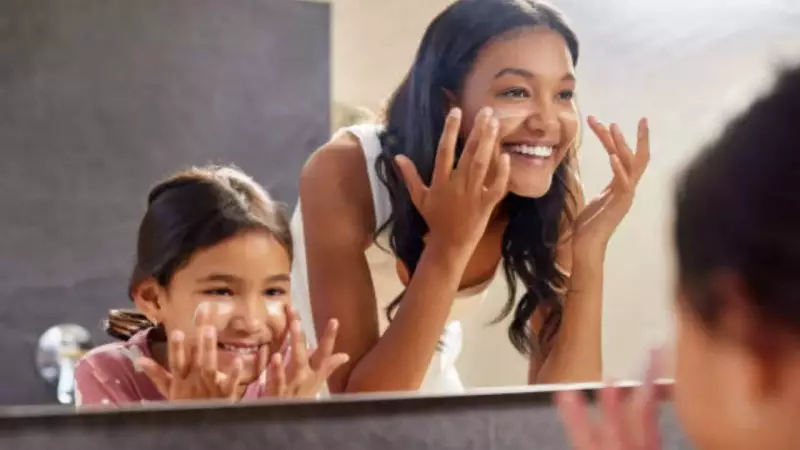
In today's digital landscape, where social networking sites are omnipresent and unattainable ideals of beauty are constantly promoted, children are developing physical insecurities at an alarmingly young age. The relentless comparisons fueled by online content silently chip away at a child's confidence, whether it's about their height, weight, complexion, facial features, or overall figure. The responsibility to counter this narrative falls squarely on parents, who must become the first line of defense in building their child's self-esteem.
Creating a Foundation of Open Communication
The most critical step parents can take is to establish a safe, non-judgmental space for open conversations. Children must feel heard and validated. When they share specific concerns about what upsets them regarding their appearance, it is vital to give them your undivided attention. Dismissing their feelings with phrases like "It does not matter" or "You're overthinking it" can be deeply harmful. Instead, acknowledge their emotions and engage with their worries seriously.
This foundation of trust allows parents to gently steer the focus away from perceived flaws. Concentrate on identifying and praising your child's inherent strengths, talents, and character qualities. Shift the praise from appearance to actions: commend their hard work, kindness, creativity, resilience, and curiosity. Make it clear that these internal attributes hold far more value than any external physical trait.

Modeling Acceptance and Embracing Individuality
Parents must be exceedingly careful with their own words and actions, as children are keen observers and often mirror adult behavior. Casual comments about your own weight, someone else's skin color, or body shape can profoundly impact how a child perceives their own body. Teaching self-acceptance begins with modeling it. Speak respectfully about all body types and demonstrate that your own self-worth is not tied to a perfect image.
Furthermore, actively teach your child that differences are what make people interesting and special. Share examples of diverse role models who achieved success through their unique qualities, not in spite of them. Whether beauty standards in India emphasize fair skin, a particular body weight, specific hair texture, or height, educating your child from a young age that they are beautiful as they are can be life-changing. This helps combat the identity crisis that can arise from constant online comparisons, where children may feel pressured to alter their looks to fit a narrow standard.
Practical Strategies for Resilience
If necessary, enlist the help of school or caregiving staff to support your child. Teach them effective, practical ways to cope with teasing or negative comments. Equally important is fostering a healthy relationship with their body based on function and health, not just appearance. Encourage them to focus on taking care of their body to be strong and healthy, rather than to achieve a specific look. This intrinsic focus makes them less vulnerable to external pressures.
Ultimately, the goal is to let children know that perfection is neither realistic nor expected. Their self-worth is inherent and has nothing to do with conforming to fleeting, often unrealistic, beauty ideals. By providing a supportive environment, shifting the focus to character, and modeling body positivity, parents can equip their children with the resilience needed to navigate a world saturated with comparative and harmful imagery.






