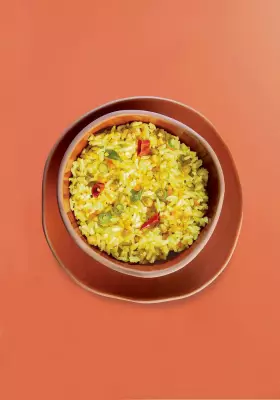
Modern nutrition science is finally validating what traditional kitchens have known for generations: the foods we instinctively reach for during difficult times are not just emotionally comforting but biologically healing. A warm bowl of khichdi during fever, curd rice after a stressful day, or dal-chawal when feeling exhausted are more than mere habits—they are the body's intelligent cravings for easily digestible, nutritionally grounding, and biologically calming meals.
The Science Behind Comfort Foods
Charu Dua, Clinical Nutritionist at Amrita Hospital, Faridabad, explains that these foods work on multiple levels. They provide essential nutrients while reducing the digestive burden, making them ideal for recovery and stress management.
Khichdi: The Metabolic Powerhouse
Khichdi may appear simple, but metabolically it is extremely efficient. Rice supplies readily available energy, while lentils offer protein and fiber without overwhelming the digestive system. Stress and illness slow down digestion, making heavy, oily meals harder to process. Soft foods like khichdi minimize strain on the digestive tract, aid hydration, and enhance nutrient absorption.

Dark Chocolate: A Stress-Busting Treat
Dark chocolate with high cocoa content is another comfort food with proven benefits. Research indicates that cocoa flavonoids can improve blood vessel function and reduce stress hormones. That small square after dinner does more than lift your mood—it supports cardiovascular health and stress regulation.
Curd Rice: Gut-Brain Connection
Curd rice works through a clever mechanism. Fermented curd contains beneficial bacteria that support the gut microbiome—the ecosystem of microbes linked to immunity, mood, inflammation, and sleep quality. The feeling of being "settled" after eating curd rice is not imaginary. It reflects the constant communication between the gut and brain via the gut-brain axis, promoting overall well-being.
What Matters Most
Comfort food is not the problem. The real issues are ultra-processing, oversized portions, and the false belief that pleasure and health are opposites. Often, emotionally comforting foods are also subtly helping the body heal, regulate, and recover. Embracing these traditional choices can lead to better health without sacrificing satisfaction.