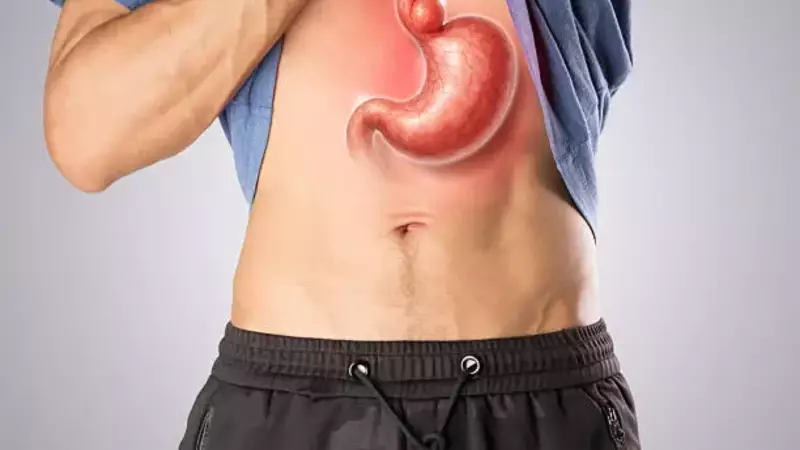
Many of us strive for good health, yet unknowingly engage in daily practices that sabotage one of our body's most critical systems: the gut. The lining of our intestines, a delicate barrier, is essential for nutrient absorption and immune defense. However, several common modern habits are actively damaging this vital gut lining, leading to a cascade of health issues.
Everyday Culprits Compromising Your Intestinal Wall
Experts highlight that chronic stress is a primary offender. When you are constantly stressed, your body releases cortisol and other hormones that can increase intestinal permeability, a condition often referred to as 'leaky gut'. This allows undigested food particles and toxins to enter the bloodstream, triggering inflammation.
Another widespread habit is the overuse of non-steroidal anti-inflammatory drugs (NSAIDs) like ibuprofen. While they relieve pain, these medications can irritate and erode the stomach and intestinal lining when used frequently, compromising its integrity.
Our dietary choices play a massive role. A diet high in processed foods, refined sugars, and unhealthy fats fuels harmful gut bacteria and promotes inflammation, directly assaulting the gut lining. Conversely, a lack of dietary fiber from fruits, vegetables, and whole grains starves the beneficial bacteria that help maintain a healthy mucosal barrier.
The Hidden Impact of Lifestyle on Digestion
Insufficient or poor-quality sleep is more than just feeling tired. It disrupts the gut's circadian rhythm and the balance of gut flora, weakening the lining's repair processes that often occur during rest. Chronic sleep deprivation is a significant yet overlooked factor in gut health decline.
Excessive alcohol consumption is particularly damaging. Alcohol can directly inflame and damage the cells of the intestinal lining, impair the tight junctions that hold them together, and alter the microbiome balance, creating a perfect storm for gut permeability.
Lastly, the overuse of antibiotics, sometimes unnecessarily prescribed, acts like a scorched-earth policy in the gut. While they kill bad bacteria, they also decimate the beneficial ones crucial for producing short-chain fatty acids that nourish and fortify the gut lining.
Steps to Heal and Protect Your Gut
Reversing the damage is possible with conscious changes. First, manage stress through meditation, yoga, or deep-breathing exercises. This single step can dramatically reduce the inflammatory response on your gut.
Revamp your diet to include gut-loving foods. Prioritize:
- Fermented foods like yogurt, kimchi, and kefir to replenish good bacteria.
- High-fiber foods like oats, legumes, and bananas to feed that bacteria.
- Bone broth and glutamine-rich foods (like cabbage and beans) which provide amino acids that help repair the intestinal lining.
Be mindful of medication use. Always use NSAIDs sparingly and only as directed, and never pressure your doctor for antibiotics for viral infections like the common cold. Prioritize sleep hygiene, aiming for 7-8 hours of quality sleep per night, and limit alcohol intake to moderate levels.
By identifying and modifying these six common habits, you can take powerful steps to heal your gut lining. A robust gut barrier is foundational to strong immunity, efficient digestion, and overall well-being. The path to better health truly begins from within.