

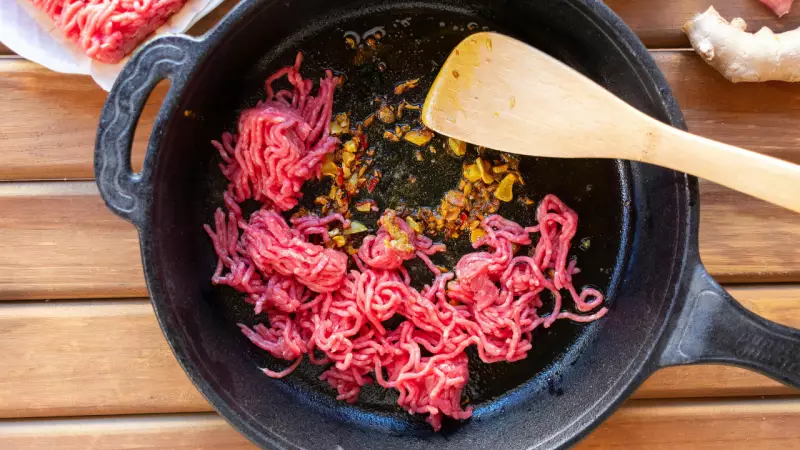
Choosing the right pots and pans for your kitchen is a decision that goes far beyond simple durability or price. Modern cooks must consider how their cooking surfaces influence the amount of oil used, the preservation of nutrients, and even the final taste of their meals. Understanding the distinct roles and potential health implications of common materials like cast iron, stainless steel, and non-stick coatings is crucial for making safe and informed choices that support your well-being.
The Timeless Strength of Cast Iron Cookware
Cherished across generations, cast iron cookware is celebrated for its incredible durability and superior heat retention. This natural material, when properly maintained, can truly last a lifetime and become a family heirloom.
Key Health and Cooking Advantages: Cast iron offers several unique benefits. It naturally leaches small amounts of iron into food, which can be advantageous for individuals with low iron levels. Its excellent heat retention ensures even cooking and can enhance flavours. A well-seasoned cast iron surface requires minimal oil, promoting low-fat cooking. Importantly, it is free from synthetic chemical coatings, making it safe for high-temperature cooking methods like searing. It is highly versatile, suitable for sautéing, roasting, baking, and slow-cooking.

Points to Consider: However, cast iron is notably heavy. It requires regular seasoning to maintain its non-stick patina and prevent rust. It is not ideal for frequently cooking acidic dishes like tomatoes, especially when new, as this can break down the seasoning and impart a metallic taste. Furthermore, the iron leaching, while beneficial for some, can be problematic for individuals with conditions like hemochromatosis, where the body stores excess iron.
The Reliable Standard: Stainless Steel Pans
A staple in nearly every Indian kitchen, stainless steel is prized for its safety, durability, and resistance to corrosion. It offers a balanced and reliable cooking experience.
Key Health and Cooking Advantages: Stainless steel provides a non-reactive surface, meaning it won't interact with acidic ingredients like tomatoes, citrus, or vinegar, thereby preserving the true flavour and nutrients of the food. It is extremely safe, as it does not release harmful substances even at high temperatures. This material promotes controlled cooking, helping to prevent burning. It is also remarkably easy to clean, is dishwasher safe, and its smooth surface is naturally resistant to bacteria.
Points to Consider: The primary challenge with stainless steel is its tendency for food to stick if the pan is not properly preheated or if insufficient oil is used. It does not have the natural non-stick properties of seasoned cast iron or coated pans, and it generally has poorer heat distribution compared to clad or multi-ply versions, which can lead to hot spots.
The Convenience of Non-Stick Cookware
Non-stick cookware is designed for ultimate convenience, allowing for easy cooking and cleaning with very little oil.
Key Health and Cooking Advantages: The biggest draw is its ability to cook with little to no oil or butter, aiding in the reduction of fat and calorie intake. It is perfect for delicate items that easily stick, such as eggs, pancakes, and fish. These pans are typically lightweight and easy to handle. Cleaning is exceptionally simple, often requiring just a wipe.
Points to Consider: The synthetic coating (often PTFE) can degrade and release fumes if overheated, posing a health risk. Using metal utensils can cause scratches, which may lead to particles flaking into food and compromising the non-stick surface. It requires gentle care with soft utensils and careful storage. Consequently, non-stick cookware usually has a shorter lifespan and needs more frequent replacement compared to cast iron or stainless steel.

Making the Right Choice for Your Kitchen
There is no single "best" cookware that suits every culinary need. An ideal kitchen arsenal includes a mix. Cast iron is unparalleled for traditional cooking, high-heat tasks, and for those who can benefit from a little extra dietary iron. Stainless steel is the all-rounder, offering safety, durability, and perfect for acidic recipes. Non-stick pans excel at low-fat cooking and delicate foods, provided they are used with care at moderate temperatures.
By understanding the specific roles, health benefits, and potential risks of each type, you can make educated decisions. This knowledge empowers you to choose the right tool for the right dish, promoting healthier cooking methods that cater to your body's needs and ensuring many safe and delicious meals to come.





