

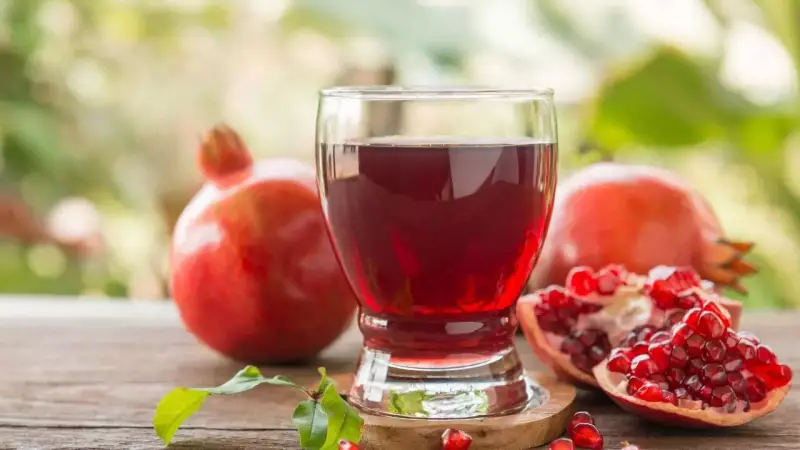
For generations in India, a glass of vibrant red pomegranate juice has been a staple at family gatherings and religious ceremonies, consumed more out of tradition and a vague sense of it being "good for you" than any specific scientific understanding. The talk of antioxidants, polyphenols, and arterial health came much later. Today, however, modern research is catching up to this ancient practice, revealing compelling evidence that regular, daily consumption of pomegranate juice can lead to significant, measurable improvements in heart health.
The Science Behind the Slow, Steady Improvement
The transformative power of pomegranate juice isn't about a quick fix. Unlike stimulants or supplements promising overnight results, its benefits unfold gradually, working quietly on the body's internal systems. A pivotal peer-reviewed study published in the Journal Clinical Nutrition provided concrete data on this effect. The research followed individuals diagnosed with carotid artery narrowing, a condition indicative of atherosclerosis.
After one year of daily pomegranate juice intake, the results were clear. Participants showed a measurable reduction in the thickness of their carotid arteries, a key clinical marker for assessing the progression of arterial plaque. Strikingly, the juice-consuming group achieved up to a 30 percent reduction in artery thickness. In a powerful contrast, the control group that did not drink the juice experienced a worsening of their plaque buildup during the same period.

How Pomegranate Juice Protects Your Heart and Blood Vessels
The study documented two major benefits: fighting arterial plaque and lowering blood pressure. Arterial plaque forms when cholesterol, fats, and cellular debris accumulate on artery walls, narrowing the passage for blood flow. The consistent reduction in thickness suggests that pomegranate juice may not only slow this progression but could potentially help reverse it when consumed regularly.
Furthermore, the group drinking the juice saw a significant drop in systolic blood pressure. High blood pressure constantly strains artery walls, accelerating wear and tear. By helping to lower this pressure, pomegranate juice reduces the damaging force against arterial walls with each heartbeat, allowing blood vessels to maintain better structure and function over the long term.
The Key Players: Polyphenols and Nitric Oxide
The secret lies in pomegranate's rich composition of bioactive compounds, particularly potent polyphenols like punicalagin and ellagic acid. These act as powerful antioxidants, but their crucial role is in protecting LDL (often called 'bad') cholesterol from oxidation. Oxidized LDL is far more likely to embed itself into artery walls and initiate plaque formation. By mitigating this oxidative damage, pomegranate polyphenols disrupt a fundamental early step in atherosclerosis.
Additionally, pomegranate juice enhances the body's nitric oxide activity. Nitric oxide is a vital molecule that signals blood vessels to relax and widen. Improved vessel flexibility allows blood to flow more freely, enhances oxygen delivery to tissues, and eases the heart's workload. The juice also exhibits anti-inflammatory properties, helping to calm internal irritation in the arteries. This is critical because inflammation speeds up plaque formation and can make existing plaque unstable, reducing the risk of a rupture that triggers a heart attack.
Individuals with early signs of artery narrowing, rising blood pressure, or a family history of heart disease may benefit most from making pomegranate juice a daily habit. It is essential to note that this is not a replacement for prescribed medication or professional medical supervision but can be a valuable supportive element within a broader, balanced diet and treatment plan.
The takeaway is one of patience and consistency. Pomegranate juice doesn't offer dramatic, instant changes. Its value is in sustained, gentle support—helping arteries function better, keeping blood pressure in check, and promoting smoother circulation. Sometimes, the oldest traditions in our homes hold truths that science is only now beginning to fully appreciate and explain.

Disclaimer: This information is for educational purposes only and is not intended as medical advice. Always consult a qualified healthcare professional for personalised diagnosis and treatment recommendations.





