

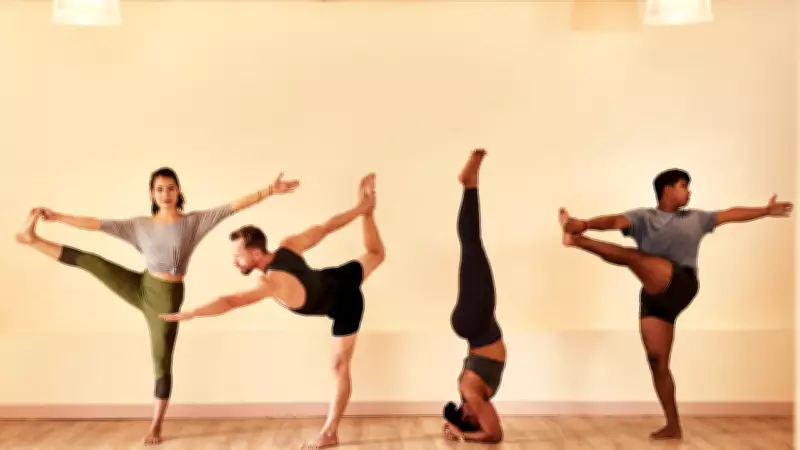
Dance Therapy Rises as a Vital Wellness Practice in 2026
In 2026, dance therapy is increasingly recognized as a powerful tool for wellness, as people understand that stress affects both the mind and body. While reflection and conversation can address mental aspects, physical tension often remains in areas like shoulders or breathing. Movement, particularly through dance, offers a natural pathway to reach these deep-seated issues by integrating rhythm, breath, and emotion seamlessly.
How Dance Therapy Enhances Well-Being
In an era marked by constant stimulation yet emotional disconnection, dance therapy provides a simple yet effective solution. It reconnects individuals with their sensations, expressions, and physical presence, moving beyond its creative roots to become a practical method for achieving emotional balance and resetting the nervous system.
Key Benefits of Dance Therapy
Dance therapy offers multiple advantages that contribute to overall health and wellness:

- Releases Stored Emotional Stress: Dance allows for expression without verbal explanation, helping to loosen tensions trapped in posture and muscles. Many participants report feeling lighter after sessions, as the body naturally releases held stress.
- Improves Nervous System Balance: The rhythmic nature of dance helps steady the nervous system. When movement synchronizes with breath, it reduces constant alertness, leading to milder emotional swings and faster stress recovery.
- Strengthens Body Awareness: This practice shifts focus from appearance to sensation, enabling early recognition of fatigue, tension, or overwhelm before they escalate.
- Encourages Emotional Expression: For feelings that are difficult to articulate, such as frustration or grief, dance provides an alternative outlet, often reducing emotional blocks in daily life.
- Builds Confidence and Connection: As people become more comfortable moving without judgment, self-consciousness diminishes. In group settings, shared rhythms foster a sense of belonging, which further supports well-being.
This article is authored by Sidhharrth S Kumaar, a registered pharmacist, astro numerologist, life and relationship coach, Vaastu expert, IKS expert, I Ching expert, energy healer, music therapist, author of the "Think like a Sage Lead like a CEO" series, and Chief Astro Strategy Officer at NumroVani.






