

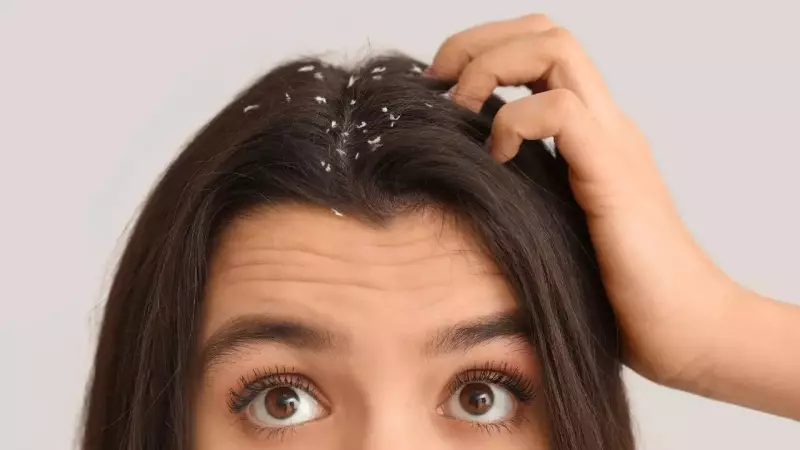
For generations, dandruff has been unfairly stigmatised as a sign of poor personal hygiene. The common belief was that infrequent washing or using the wrong hair products were the primary culprits. However, a significant shift in scientific understanding has moved dandruff firmly into the realm of dermatology and scalp biology, separating it completely from notions of cleanliness.
The Real Science Behind Flaky Scalp
Contemporary research now recognises the scalp as a direct extension of facial skin, possessing its own unique immune response, microbial flora, and barrier function. Dandruff is understood as a manifestation of the scalp reacting under biological and ecological pressures. This condition affects all strata of society, irrespective of age, gender, or hair type.
The long-standing myth linking dandruff to a lack of cleanliness finds no support in dermatological studies. Instead, science points to a complex interaction. A key player is the Malassezia species, a yeast commonly found on human skin. For most, it's harmless. However, on some scalps, the body mounts an overactive response to this yeast.

This reaction accelerates the breakdown of natural scalp oils (sebum), producing fatty acids that irritate sensitive skin. The body's response is to speed up the skin cell life cycle, leading to cells clumping together and shedding prematurely as the visible white or grey flakes we recognise as dandruff.
Recognising Early Signs and Root Causes
Dandruff rarely appears without warning. Early signs of scalp distress, resulting from imbalances in lipid barrier regulation, include:
- Recurring itchiness, especially after washing hair.
- A feeling of tightness or discomfort on the scalp.
- Initial appearance of small flakes around the hair parting.
- Oily roots coupled with dry, rough patches on the scalp.
- Increased scalp sensitivity to previously tolerated products.
- Worsening of flaking or itching during winter or periods of stress.
The development of dandruff is typically a perfect storm of internal and external factors that create a favourable environment for the Malassezia-related reaction. These factors include:
- Excess sebum production, which feeds the yeast.
- A naturally sensitive scalp with low tolerance for microbial by-products.
- Genetic predisposition towards inflammatory skin responses.
- Hormonal fluctuations affecting oil secretion.
- Exposure to harsh chemicals in shampoos, treatments, or styling products.
- Environmental stressors like cold weather, pollution, and low humidity.
- Psychological stress, which can disturb immune regulation and skin cell turnover.
Effective Management and Long-Term Risks
Successfully controlling dandruff requires a strategy focused on restoring scalp balance, not merely scrubbing away flakes. Effective management aims to regulate yeast growth, reduce inflammation, and protect the skin barrier. Consistent and appropriate care is crucial.
Key treatment approaches include: using medicated shampoos with antifungal agents (like ketoconazole or zinc pyrithione) and allowing them sufficient contact time before rinsing; washing hair regularly with gentle, non-fragranced products while avoiding harsh scrubbing; minimising heat styling and chemical treatments that compromise scalp integrity; and supporting overall scalp health through proper rest, stress management, and gentle hygiene.
Ignoring persistent dandruff can lead to more than social embarrassment. Chronic, untreated inflammation can have serious consequences, including: intense itching leading to scratching and micro-injuries; a weakened scalp barrier and heightened skin reactivity; increased vulnerability to secondary bacterial or fungal infections; the development of more extensive seborrhoeic dermatitis; and the spread of red, flaky rash to areas like the eyebrows, ears, and sides of the nose, potentially disrupting sleep and daily concentration.
This information is for public awareness and is not a substitute for professional medical advice. Consultation with a dermatologist is recommended for persistent scalp conditions.






