

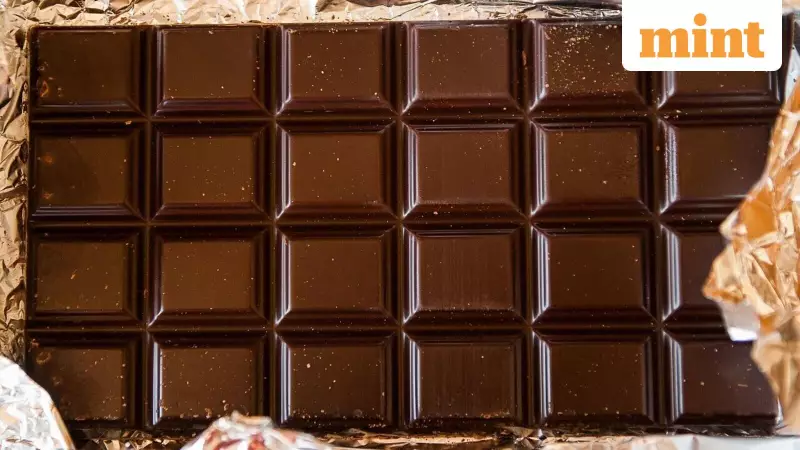
With winter's chill setting in, cardiologists are pointing towards a delicious and unlikely ally for cardiovascular wellness: dark chocolate. Instead of relying solely on medications and supplements, experts suggest the natural compounds found in this bitter treat could provide a modest, yet tangible, advantage, particularly in managing blood pressure levels.
The Science Behind the Sweet Support
According to information highlighted by prevention.com, dark chocolate is a rich source of flavanols. These are plant-based compounds connected to better function of our blood vessels. They aid the body in producing nitric oxide, a substance that helps relax arteries, thereby potentially reducing strain on the heart. Consuming small quantities of high-cacao dark chocolate consistently over time might gently push blood pressure towards a healthier range.
What Does the Research on Flavonoids Reveal?
Research archived in the National Library of Medicine has long indicated a positive link between flavonoids and heart health. Hypertension remains one of the most common and costly chronic health issues in the United States, with nearly half of all American adults diagnosed. This condition silently elevates the risk of heart disease, stroke, and other serious complications.

A significant study analyzed dietary and health information from 8,010 adults who took part in the National Health and Nutrition Examination Surveys during two periods: 2007–2010 and 2017–2018. The investigation aimed to determine if individuals with higher intake of flavonoids—found abundantly in plant foods and dark chocolate—had a lower likelihood of suffering from hypertension.
The Flavan-3-ols Benefit: A U-Shaped Curve
The study zoomed in on a specific flavonoid subgroup called flavan-3-ols, commonly present in tea, cocoa, and some fruits. The findings here were nuanced. Researchers did not see a straightforward 'more is better' trend. Instead, they identified a U-shaped pattern.
Moderate consumption was linked to a lower prevalence of high blood pressure. However, very low or excessively high intake did not demonstrate the same protective effect. Participants with mid-range consumption had better outcomes than those with the lowest intake. Yet, increasing consumption beyond a specific point did not further reduce risk. The strongest protective association was observed when daily flavan-3-ol intake remained below 48.26 mg.
This clearly suggests that moderation is the crucial factor, debunking the idea that maximum intake yields maximum benefits.
Diet as a Part of the Comprehensive Strategy
It is important to note that this study does not establish a direct cause-and-effect relationship where flavonoids prevent hypertension. However, it strengthens the growing body of evidence that daily food choices can meaningfully impact cardiovascular health.
Medical professionals emphasize that a healthy diet should complement, not replace, prescribed medical treatment. For those already managing hypertension, flavonoid-rich foods like dark chocolate can offer supportive benefits, but they are not a substitute for doctor-recommended care or essential lifestyle modifications.
Heart specialists reiterate that dark chocolate is just one component of a broader heart-healthy strategy. Maintaining well-rounded habits is paramount. For many, however, enjoying a small square of high-quality dark chocolate with an afternoon tea or as an after-dinner treat could become a pleasurable winter ritual that aligns both taste and well-being.
Frequently Asked Questions
Does dark chocolate genuinely aid heart health?
Some cardiologists indicate that the flavanols in dark chocolate may support blood vessel function and contribute to lower blood pressure.
How much dark chocolate is recommended for potential benefits?
Experts advise small portions of dark chocolate with a minimum of 70% cacao content to potentially gain health advantages.
Is all chocolate good for the heart?
No. The heart-healthy properties are mainly associated with bitter, high-cacao dark chocolate. Sugary milk chocolate bars do not offer the same benefits.






