

Growing Up in a Hyper-Digital World: Essential Needs for Today's Children
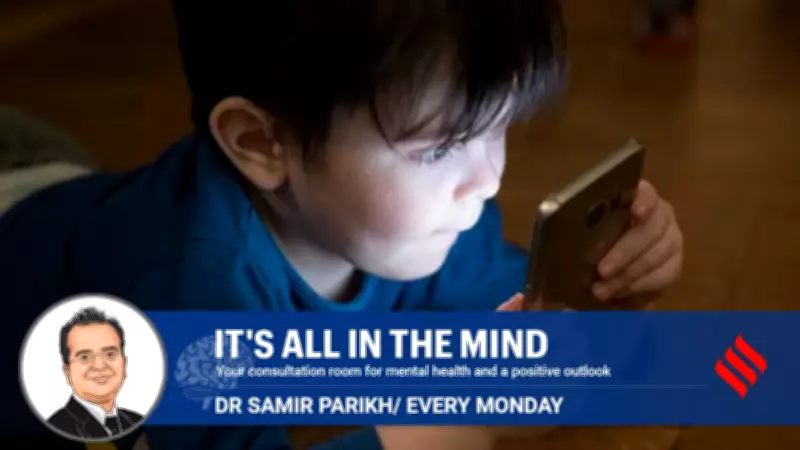
In an era dominated by digital connectivity, the upbringing of children is increasingly shaped by their interactions with screens and online platforms. The recent Economic Survey has prominently flagged the alarming rise of digital addiction and screen-related mental health issues, particularly among children and adolescents. This growing concern underscores a critical need for balanced approaches to digital consumption.
The Surge in Digital Media Usage and Its Consequences
Digital media platform usage continues to experience a significant surge among school and college students across India. This trend is driven by seamless connectivity and access to diverse content across various digital platforms. However, this rapid growth raises serious alarms over escalating mental health challenges, including shrinking attention spans, diminished real-world connections, and increased anxiety levels.
The increased average screen time observed among young people often eclipses their fundamental needs for adequate sleep, effective study management, and meaningful face-to-face interactions. Lifestyle choices are profoundly shaped by the media consumed daily, influencing everything from beauty standards and career aspirations to fleeting trends that pop up on social media platforms.

Building Media Literacy as a Foundational Pillar
Mounting research highlights growing concerns about the cognitive functioning of youth, with many experts raising questions about impaired focus, heightened anxiety, and even addictive behaviors. Responding to this growing concern before it becomes a crisis of gargantuan proportions requires a concerted effort on multiple fronts.
Tackling media usage effectively starts with empowering youth to understand and decode how media platforms function. Providing the right tools to raise relevant questions about information received via media represents a critical step forward. Media literacy programs in schools and colleges can form the foundational pillar that strengthens young people's ability to think critically and use their creativity and innovation without being unduly influenced by media messages.
The Role of Responsible Platforms and Real-World Engagement
A significant share of responsibility rests with media and social media platforms, whose ability to create and enforce stringent guidelines is essential for mitigating their impact on young users. Platforms must establish clear, age-appropriate rules – such as content filters, time limits, and mental health warnings – and promote them through regular in-app education, pop-up reminders, and parental controls. Strict adherence, backed by transparent audits and collaboration with regulators, can foster safer digital spaces for young users.
Encouraging young people to participate more actively in real-world activities remains critically important. The lessons learned through engaging in sports and participating in creative and innovative enterprises are immense. Collaboration, problem-solving, decision-making, and critical thinking – essential skills needed in the real world – are significantly enhanced when young people participate in diverse activities. Whether pursued in groups or as individual endeavors, these activities allow young people to recognize their strengths and work toward improving their functioning across multiple domains crucial for future success.
Fostering Meaningful Relationships and Resilience
Forging and building meaningful relationships represents a critical skill necessary for success in life. Encouraging the young to step away from media and engage in real-world interactions goes a long way in learning how to establish collaborative and cohesive relationships. Exchanging ideas with others and observing them function in various activities helps diversify thinking and enhances creativity and innovation.
Establishing meaningful bonds that can last through an individual's lifespan helps build resilience and acts as significant buffers against being impacted by crises and mental health problems. While the presence and consequent influence of media and social media cannot be eliminated entirely, their impact can be mitigated and balanced through the adoption of approaches that help young people build essential life skills.

Dr. Samir Parikh is Chairperson of the Fortis National Mental Health Programme and Adayu.





