

The Quiet Guardian of The Gap: Don Ritchie's Lifesaving Legacy
For nearly five decades, Don Ritchie resided in a modest home with a view that was both breathtaking and heartbreaking. His house overlooked The Gap, a dramatic sheer cliff in Sydney that has long been tragically known as a suicide hotspot. Almost daily, Ritchie would observe individuals standing perilously close to the edge, their body language often signaling deep distress or profound disconnection.
A Simple Approach to Profound Crisis
Instead of turning away from these troubling scenes, Ritchie developed a remarkable routine. He would calmly cross the road and approach these vulnerable individuals. His method was deceptively simple: he asked gentle questions and listened with genuine attention. He never shouted, grabbed, or lectured—he simply created space for human connection where despair had taken root.
Ritchie's questions were ordinary yet powerful: "Where are you from?" or "Are you all right?" Sometimes he would simply stand nearby, offering silent companionship until the person felt ready to speak. This approach, repeated over decades, became his signature intervention.

The Power of Tea and Conversation
When someone responded positively to his approach, Ritchie would extend an invitation that became legendary in the community: he would ask them home for a cup of tea or breakfast. In his kitchen, he created a sanctuary where distressed individuals could sit at the table and speak at their own pace, free from judgment or pressure.
His wife, Moya, played a crucial supporting role throughout these decades, welcoming strangers into their home and helping maintain the calm atmosphere that made these conversations possible. Together, they created what mental health professionals would later recognize as an ideal crisis intervention environment.
Why Ritchie's Method Worked
Mental health experts have analyzed why Ritchie's approach proved so effective. Calm conversation slows breathing and thinking patterns, creating psychological space between impulse and action. Moving indoors removes immediate physical danger, while the passage of time naturally softens crisis intensity.
A warm drink and comfortable chair provide physiological comfort that can help regulate the nervous system. As Ritchie himself observed, "people often needed someone to notice them and stay with them for a while." This simple recognition of human worth proved transformative for countless individuals.
The Angel of The Gap
Over time, the local community began calling Ritchie the "Angel of The Gap"—a name that captured both the miraculous nature of his interventions and the quiet dignity with which he performed them. Neighbors became familiar with the pattern: a door opening, a kettle boiling, quiet voices at the kitchen table, and eventually someone walking back down the road looking calmer than when they arrived.
While official records credit Ritchie with preventing approximately 160 suicides, the actual number is likely higher since many interventions went unrecorded. What remains undeniable is the consistent pattern: a person at the cliffs, Ritchie's approach, a conversation, and a safe departure from danger.
Recognition and Later Years
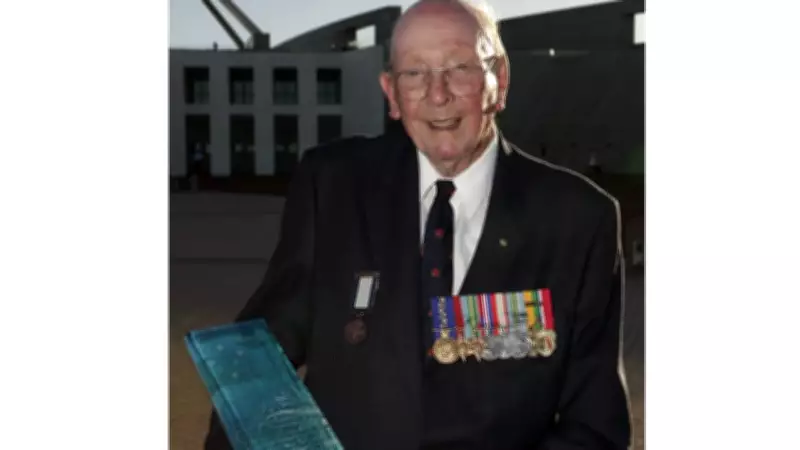
In 2006, Ritchie received the Medal of the Order of Australia for his extraordinary service to the community through suicide prevention. Despite this national recognition, he remained characteristically humble, avoiding attention and continuing his quiet watch over The Gap.
As age affected his mobility, Ritchie adapted his approach, keeping watch from his window and alerting authorities when he spotted someone in distress. His commitment never wavered, even when physical limitations changed how he could help.
A Legacy of Repetition
Don Ritchie passed away on May 13, 2012, at age 85. Memorials near The Gap now honor his contribution, but his most meaningful legacy lives in the stories of those he helped and the witnesses who observed his quiet heroism.

His story is remarkable not for dramatic, singular acts, but for the power of repetition: the same walk across the road, the same gentle questions, the same offer of tea, performed consistently over nearly fifty years. In an era of complex mental health interventions, Ritchie demonstrated that sometimes the most powerful medicine is simple human connection, offered without expectation or judgment.





