

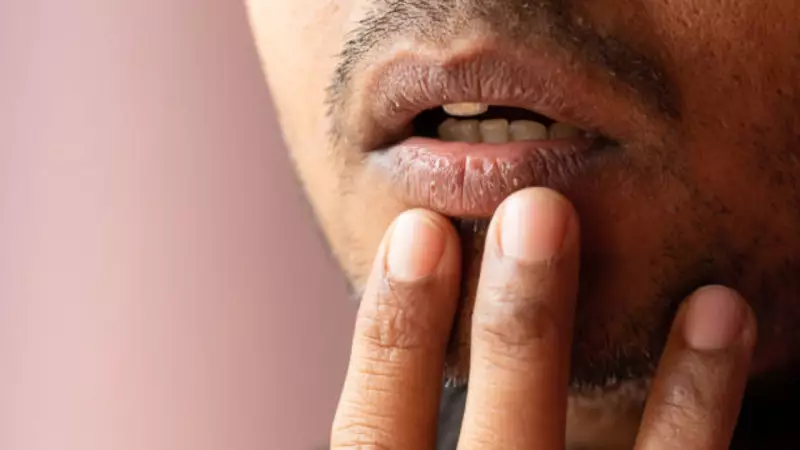
We've all felt that parched, sticky sensation in our mouths on a scorching summer day or after a night of poor sleep. For most, reaching for a glass of water provides quick relief. But what happens when the dryness persists for days or even weeks, despite drinking ample fluids? This lingering discomfort is often the body's way of sending a signal that something is out of balance.
Beyond Dehydration: Common Medical Culprits
While dehydration is a frequent cause, especially given modern urban lifestyles in India, it is not always the villain. Dr. Mohit Sharma, a specialist in Internal Medicine at Amrita Hospital, Faridabad, emphasizes that a dry mouth lasting beyond a few days warrants closer attention. For many urban Indians, long work hours, excessive tea or coffee consumption, and constant exposure to air-conditioned environments can reduce saliva production. Saliva is crucial for oral health, aiding digestion and protecting teeth.
However, when increased water intake doesn't solve the problem, an underlying medical condition may be at play. One of the most common medical reasons is poor blood sugar control. In individuals with undiagnosed or unmanaged diabetes, high blood glucose levels pull water from bodily tissues, leading to persistent dryness, excessive thirst, and frequent urination. Many patients recall experiencing a dry mouth for months before receiving an abnormal blood sugar reading.

Medications and Night-Time Habits
Another significant but often overlooked trigger is prescription medication. A range of common drugs, including certain pain relievers, blood pressure medications, antidepressants, and allergy treatments, can reduce saliva flow as a side effect. Patients sometimes resign themselves to this discomfort, but consulting a doctor to adjust the dosage or switch to an alternative can often provide relief.
Your night-time routine can also be a major factor. People who breathe through their mouths due to nasal congestion, snoring, or sleep apnea often wake up with an extremely dry mouth and throat. If the dryness is most severe in the morning and improves as the day progresses, it is a strong indicator of sleep-related mouth breathing.
When to Seek Professional Help
In some cases, a persistent dry mouth can point towards hormonal or autoimmune disorders. Conditions like thyroid imbalances disrupt the body's fluid regulation, while Sjögren's syndrome directly attacks the glands that produce saliva and tears. Accompanying symptoms like unexplained joint pain, fatigue, or dry eyes alongside dry mouth should prompt a visit to the doctor for further evaluation.
Ignoring chronic dry mouth is not just about discomfort; it has real health consequences. Reduced saliva increases the risk of tooth decay, gum disease, oral infections, and mouth ulcers. It can also lead to bad breath, difficulty swallowing, and altered taste, affecting nutrition and confidence.
The key takeaway is clear: a dry mouth is a symptom, not a diagnosis. If it persists for more than two to three weeks, is accompanied by fatigue, weight changes, or joint pain, or significantly interferes with daily life, medical advice is essential. A simple check-up, typically involving blood tests and a review of medications, can identify the root cause early. Addressing the underlying issue often restores normal saliva flow and prevents long-term complications. While water is always a good first step, listening to your body and seeking timely help is crucial when the dryness simply won't go away.






