

Earth's 'Heartbeat' Spikes Spark Claims of Human Mind Scrambling
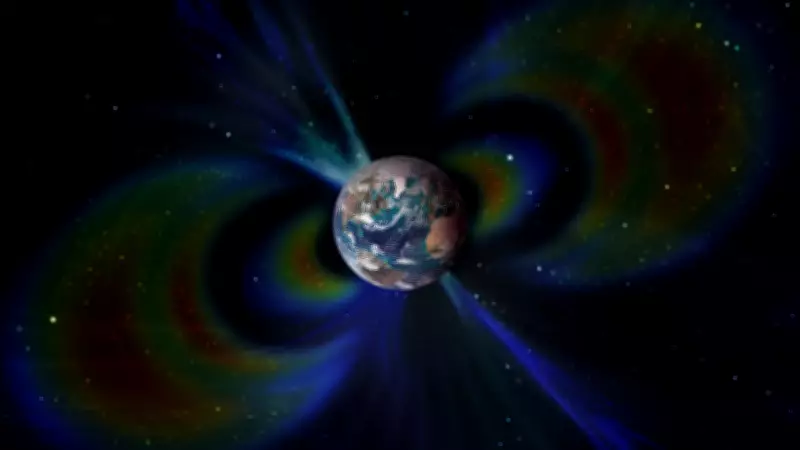
For several weeks, social media platforms have been flooded with dramatic claims that Earth's fundamental "heartbeat" is experiencing unusual surges, and that these electromagnetic spikes are actively disrupting human cognitive functions. According to numerous viral posts circulating online, a mysterious electromagnetic pulse phenomenon that mirrors human brainwave patterns is responsible for widespread reports of mental disturbances.
The Human Experience of Alleged Resonance Effects
Individual accounts vary significantly, with some users reporting increased anxiety levels they attribute to these environmental changes. Others describe experiencing profound fatigue, persistent brain fog that clouds thinking, or even a distinctive high-pitched ringing sensation in their ears. These anecdotal reports have created a digital echo chamber of concern about how planetary electromagnetic activity might influence human biology and mental state.
Understanding the Schumann Resonance Phenomenon
At the center of this speculation lies the scientifically recognized Schumann Resonance, a measurable global electromagnetic phenomenon first predicted by German physicist Winfried Otto Schumann in 1952. This refers to a specific set of electromagnetic waves that continuously circle our planet within the atmospheric cavity between Earth's surface and the ionosphere.

How It Works:
- Lightning strikes occurring thousands of times per second, particularly in tropical regions, generate powerful electromagnetic signals
- These signals bounce repeatedly between Earth's surface and the ionosphere approximately 60 miles above
- The atmospheric space between these layers functions as a global echo chamber, trapping and amplifying specific frequencies
The most dominant and persistent frequency resonates at approximately 7.83 Hertz (Hz), measured in cycles per second, with additional higher harmonic bands layered above this fundamental frequency. Due to its constant presence, many researchers describe this background vibration as Earth's steady "humming" or natural heartbeat.
February's Unusual Electromagnetic Activity
Recent monitoring data from the space weather tracking application MeteoAgent has flagged elevated Schumann Resonance readings throughout February, consistently marking them as "high" activity levels. On Thursday, the application reported continued elevated resonance levels following a moderate solar flare event that disturbed Earth's protective magnetic field.
Scientists systematically track such geomagnetic disturbances using the standardized K-index scale, which ranges from zero indicating calm conditions to nine representing severe geomagnetic storms. Readings above five typically signal geomagnetic storms capable of disrupting satellite communications, electrical power grids, and radio signal transmissions.
While Thursday's K-index registered at 3.7—above typical background conditions but below storm threshold—February witnessed four separate days where readings exceeded the 5.0 storm level marker. Solar flares and resulting geomagnetic storms can temporarily disturb the ionosphere's properties, altering how electromagnetic waves travel through atmospheric layers and potentially amplifying resonance patterns.
The Brainwave Overlap Theory and Scientific Skepticism
Proponents of the theory that Schumann Resonance fluctuations affect humans highlight one intriguing detail: when people enter states of deep relaxation or drift toward sleep, their brains naturally produce theta waves—electrical patterns ranging between four and eight Hz. This frequency range directly overlaps with the Schumann Resonance's dominant 7.83 Hz frequency.
Some wellness advocates and alternative health practitioners argue that when Earth's electromagnetic environment experiences significant fluctuations, it may potentially interfere with delicate brain rhythms governing sleep quality, mental focus, and emotional regulation. Online anecdotal reports have specifically connected recent resonance spikes to multiple symptoms:

- Persistent ringing in the ears (tinnitus)
- Unexplained muscle tension
- Chronic fatigue despite adequate rest
- Difficulty concentrating or maintaining focus
- Heightened anxiety without clear triggers
However, medical experts and mainstream scientists emphasize that these symptoms have well-established medical explanations ranging from psychological stress and dehydration to diagnosed conditions like tinnitus and sleep disorders. They stress that controlled clinical evidence directly linking these symptoms to Schumann Resonance spikes remains entirely lacking.
The scientific consensus maintains that while geomagnetic activity demonstrably influences technological systems and infrastructure, no conclusive evidence exists showing it directly alters human cognition, mood states, or biological functioning. The measurable shifts in resonance patterns represent fascinating geophysical phenomena, but their biological significance for humans remains scientifically unproven and continues to be debated between alternative health communities and mainstream researchers.





