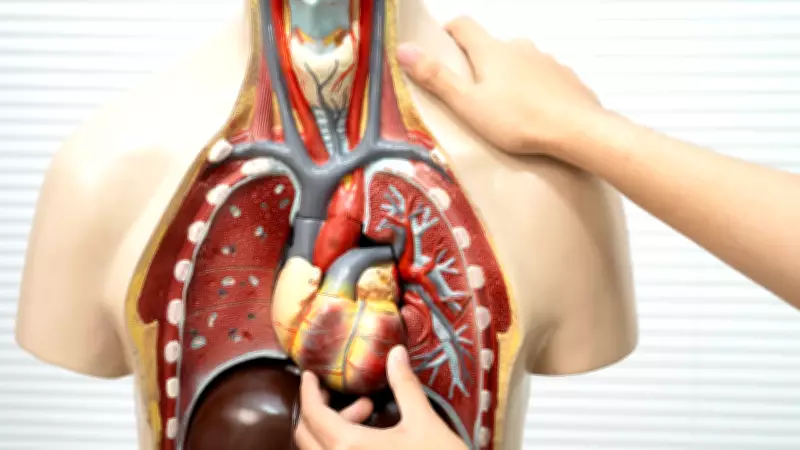
The human body works less like a single machine and more like a set of finely tuned systems. Each organ has a specific role, and more importantly, a specific nutritional need. What is eaten every day quietly shapes how well these organs perform, how the lungs expand, how the liver filters, how the gut absorbs, and how the eyes adjust to strain.
Nutritionist Lovneet Batra puts it simply: the right foods can either support these systems or slowly weaken them. The idea is not about complicated diets. It is about knowing which nutrients serve which part of the body, and making small, steady choices.
Lungs: Supporting every breath you take
Breathing feels automatic, but lung health depends heavily on what goes into the body. Pollution, stress, and infections can irritate airways. This is where certain everyday ingredients quietly step in.

Ginger and turmeric, common in Indian kitchens, contain compounds like gingerol and curcumin. These are known to reduce inflammation in the airways. Citrus fruits, packed with Vitamin C, help protect lung tissue from oxidative stress caused by pollution and toxins.
A study by the National Institutes of Health (NIH) highlights how antioxidants like Vitamin C play a role in reducing lung damage caused by environmental stressors.
Adding fresh ginger and turmeric to morning tea or even warm water is a small habit. Over time, it can support easier breathing, especially in cities where clean air is not always guaranteed.
Liver: The silent worker that needs protection
The liver works around the clock. It filters toxins, processes fats, and balances metabolism. Yet, it often gets attention only when something goes wrong.
Cruciferous vegetables like broccoli contain sulforaphane, a compound that activates detox enzymes in the liver. Green tea, rich in catechins, supports fat metabolism, while olive oil helps reduce unhealthy fat accumulation in liver cells.
Research from the National Institute of Diabetes and Digestive and Kidney Diseases (NIDDK) shows that diet plays a direct role in preventing fatty liver disease.
Switching to olive oil as the primary cooking fat may seem like a small change. But over months and years, it can reduce strain on the liver and support better metabolic health.
Gut health: Where immunity begins
The gut is often called the second brain, and not without reason. It affects digestion, immunity, and even mood. But gut health depends on a delicate balance between good bacteria and the gut lining.
Curd provides live probiotics, good bacteria that help maintain this balance. Bananas and chia seeds act as prebiotics, feeding these bacteria and strengthening the gut barrier.
According to the NIH, a balanced gut microbiome improves nutrient absorption and reduces inflammation-related diseases.
A simple bowl of curd with chia seeds is not just a snack. It is a way to nourish the internal ecosystem that supports overall health. Regular intake can even help reduce bloating and discomfort.
Eyes: Protecting vision in a screen-heavy world
Modern life places constant strain on the eyes. Long hours on screens, poor lighting, and lack of sleep slowly affect vision.
Carrots and sweet potatoes are rich in beta-carotene, which the body converts into Vitamin A, essential for good vision. Amla, or Indian gooseberry, is loaded with Vitamin C, which helps protect the retina from oxidative damage.
Including at least one orange-colored vegetable daily is a practical habit. It supports eye health and helps reduce the long-term impact of digital strain.
Food choices are daily investments, not quick fixes
Health does not change overnight. It builds quietly through everyday decisions. The foods chosen today influence how the body functions years later.
The approach is not restrictive. It is thoughtful. A pinch of turmeric, a bowl of curd, a handful of citrus fruits, these are simple choices, but they carry lasting impact.
Disclaimer: This article is for informational purposes only and does not replace professional medical advice. Dietary changes should be made after consulting a qualified healthcare provider, especially in case of existing health conditions.