

Egg Freezing in India: Understanding Mobility and Legal Regulations
Egg freezing has become a prominent method for preserving fertility, offering women the opportunity to delay childbearing for personal or professional reasons. However, after completing the procedure and storing their eggs, many women face practical questions about future mobility. What happens if careers shift, families relocate to different cities, or life circumstances evolve? Does freezing eggs at a specific clinic in India create a permanent geographical constraint?
The straightforward answer is no, but the reality involves nuanced legal and medical considerations that every prospective patient should understand thoroughly.
Medical Viability and Legal Ownership of Frozen Eggs
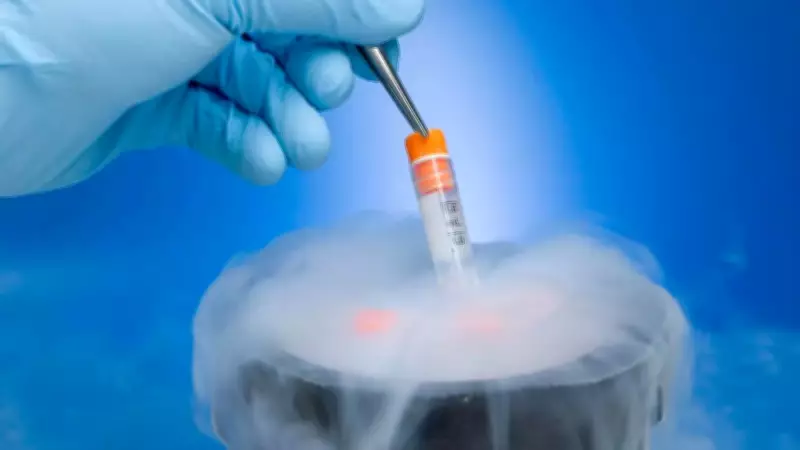
From a medical perspective, frozen eggs can maintain their viability for extended periods when proper vitrification protocols are followed. Comprehensive international studies demonstrate no significant decline in outcomes with long-term cryostorage. A notable review published in Human Reproduction Update confirmed comparable survival and fertilization rates even after prolonged freezing, providing reassurance about the technical feasibility of long-term preservation.

Legally, however, frozen eggs occupy a unique category that differs from ordinary personal property. In India, they fall under the jurisdiction of the Assisted Reproductive Technology (Regulation) Act, 2021. This legislation aims to protect patients while preventing potential misuse or commercial exploitation of human reproductive materials. While women retain decision-making authority over their own eggs, these rights operate within a carefully structured regulatory framework designed to ensure ethical practices and patient safety.
Transferring Frozen Eggs Between Indian Clinics
When a woman relocates within India and wishes to transfer her frozen eggs to a different Assisted Reproductive Technology clinic, the law permits this transfer for personal reproductive use. What many individuals overlook is that this process isn't simply a private arrangement between two medical facilities.
Under the ART Act and corresponding rules, such transfers must adhere to specific standards and conditions established by the National Assisted Reproductive Technology and Surrogacy Board. This regulatory oversight ensures consistency and accountability across the country's fertility care landscape.
The practical implementation involves several key requirements:
- Written, informed consent obtained from the woman
- Coordination between the original and receiving clinics
- Comprehensive documentation, traceability, and regulatory reporting
- Transfer via approved cryogenic transport maintaining strict cold-chain integrity
Patients don't need to apply directly to the National Board. Instead, clinics bear the responsibility of ensuring all transfers comply with the established regulatory framework, streamlining the process for individuals while maintaining necessary oversight.
The Role of the National ART and Surrogacy Board
The involvement of a national regulatory body might initially seem restrictive, but the National Assisted Reproductive Technology and Surrogacy Board serves a crucial function in standardizing fertility care practices across India. Established under the ART Act, this board creates uniform rules for handling eggs and embryos nationwide.
Without such oversight, fertility care would likely vary significantly between clinics, increasing risks of errors, potential misuse, or inadequate record-keeping. Viewed from this perspective, the National Board provides a stabilizing framework that enables patients to make informed reproductive choices with greater confidence, rather than creating unnecessary obstacles.
International Relocation After Egg Freezing
Moving abroad after freezing eggs in India introduces additional complexity, but doesn't render transfer impossible. Frozen eggs can be transported internationally to licensed fertility clinics in other countries, subject to compliance with multiple regulatory layers:

- Indian ART regulations and export permissions
- Customs clearance procedures
- Acceptance criteria of the destination country and receiving clinic
Countries including the United Kingdom and United States routinely accept imported gametes under their established regulatory frameworks. However, international transfers typically involve longer timelines and require meticulous advance planning to navigate the various bureaucratic requirements successfully.
Practical Planning Considerations for Patients
Women considering egg freezing should address several important questions during initial consultations:
- Does this clinic support potential future transfers if needed?
- What specific documentation will be required for transfers?
- How long does regulatory clearance typically take?
- Does the clinic facilitate international transfers for patients who might relocate abroad?
As fertility care becomes increasingly globalized and mobile, these discussions are evolving into standard components of ethical, patient-centered medical practice. Understanding the regulatory landscape early enables informed decision-making and prevents unexpected constraints later.
Freezing eggs in India doesn't permanently bind women to a specific city, clinic, or country. They maintain control over their reproductive choices, but exercise these choices within a carefully designed legal structure that prioritizes safety, informed consent, and patient dignity. Recognizing this balance from the outset allows individuals to plan their fertility preservation journey with clarity and confidence.
Dr. Swati Mishra, Fertility Specialist at Birla Fertility & IVF, Kolkata





