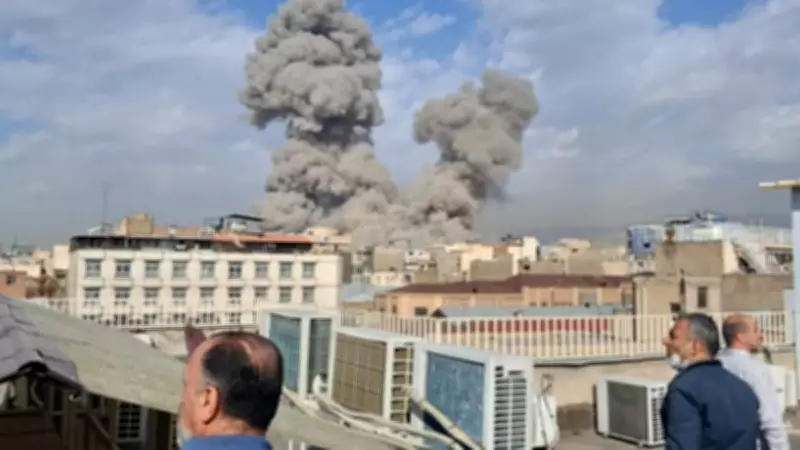
US-Iran Tensions Intensify, Gulf Region Braces for Potential Conflict
In a significant development that has sent shockwaves across the Middle East, escalating tensions between the United States and Iran have placed Gulf nations on high alert. Countries including Bahrain, Qatar, the United Arab Emirates (UAE), Saudi Arabia, Kuwait, and Israel are closely monitoring the situation, with concerns mounting over the possibility of a broader regional conflict.
Heightened Military Posturing and Diplomatic Maneuvers
The latest updates indicate a marked increase in military activities and diplomatic efforts as both the US and Iran adopt more assertive stances. The US has reportedly bolstered its naval presence in the Persian Gulf, while Iran has conducted military exercises near strategic waterways. This tit-for-tat escalation has raised alarms among neighboring states, who fear being caught in the crossfire.
Gulf Cooperation Council (GCC) members, such as Bahrain, Qatar, UAE, Saudi Arabia, and Kuwait, have initiated emergency security meetings to coordinate responses and safeguard their interests. These nations, heavily reliant on stable oil exports and regional trade, are particularly vulnerable to disruptions caused by hostilities.

Israel's Strategic Concerns and Regional Alliances
Israel, a key US ally in the region, has also heightened its vigilance. Israeli officials have expressed concerns over Iran's nuclear ambitions and support for proxy groups, viewing the current tensions as a direct threat to national security. This has led to increased intelligence sharing and military coordination with Gulf states, reflecting a shifting geopolitical landscape where traditional adversaries find common ground against Iranian influence.
Abu Dhabi and Dubai, as major economic hubs in the UAE, are implementing contingency plans to protect critical infrastructure and ensure business continuity. The potential for conflict poses risks to global energy supplies and international shipping routes, with the Strait of Hormuz being a focal point of tension.
Economic Implications and Global Reactions
The economic fallout from the US-Iran standoff is already being felt, with oil prices experiencing volatility and investors adopting a cautious approach. Gulf nations are diversifying their economies to mitigate risks, but a full-scale conflict could have devastating effects on regional stability and global markets.
International bodies, including the United Nations, have called for de-escalation and dialogue to prevent further deterioration. However, with both sides entrenched in their positions, the path to resolution remains uncertain, leaving the Gulf region in a state of anxious anticipation.
In summary, the escalating US-Iran tensions have created a precarious situation for Gulf nations, who are now on high alert to protect their sovereignty and economic interests. The coming weeks will be critical in determining whether diplomacy can prevail or if the region edges closer to conflict.