

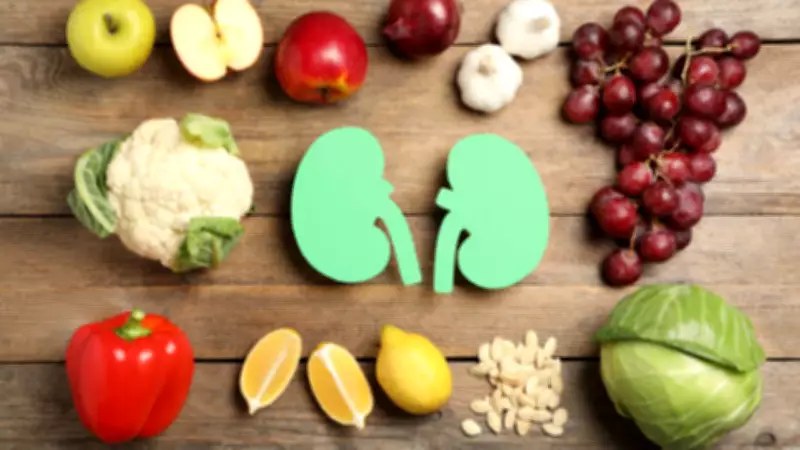
Everyday Foods and Habits That Quietly Damage Your Kidneys
Kidney health often remains overlooked in daily conversations about wellness. While people frequently discuss heart attacks, blood sugar levels, and cholesterol, the kidneys perform their vital functions silently in the background. These organs filter waste, balance bodily fluids, and help regulate blood pressure without drawing attention to themselves. This very silence contributes to the problem, as kidney issues typically develop gradually without dramatic warning signs, leading many to assume all is well until serious damage occurs.
The Global and Indian Burden of Chronic Kidney Disease
Chronic kidney disease (CKD) represents a major global health challenge, with India positioned at its epicenter. According to a report in the Journal of The Association of Physicians of India, the Global Burden of Disease 2017 study estimated that 697 million people worldwide had CKD, with India accounting for approximately 115 million cases. This staggering figure means nearly one in every six individuals with CKD globally resides in India. In February 2025, the World Health Organisation adopted a kidney health resolution at the 78th World Health Assembly, highlighting the urgency of understanding common disease triggers.
Common Offenders: Everyday Foods Consumed in Excess
Dr. Vidyashankar Panchangam, Director and Lead Consultant in Nephrology at KIMS Hospitals, Bengaluru, emphasizes that the most harmful items are not exotic foods but rather common, everyday consumables eaten excessively. Unhealthy eating habits over years have led to conditions like high blood pressure and diabetes, which are primary causes of kidney failure.

Specifically, the most damaging foods include:
- Highly processed foods such as packaged snacks, instant noodles, processed meats like sausages and salami, and ready-to-eat meals, all high in salt and preservatives.
- Sugary drinks including soda and energy drinks, whose high sugar intake increases risks of obesity, diabetes, and hypertension—key drivers of CKD.
- Artificial sweeteners and high fructose corn syrup, which can cause dehydration and increased uric acid generation, damaging kidneys.
- Deep-fried foods and refined carbohydrates, contributing to metabolic problems that harm renal function.
How Excess Salt and High-Protein Diets Impact Kidneys
Dr. Panchangam explains that kidneys manage fluid and electrolyte regulation. High salt consumption leads to elevated blood pressure, directly damaging kidney tissues and causing fluid retention. Reducing salt intake is one of the simplest yet most effective ways to protect renal health.
Regarding high-protein diets, they are not inherently harmful for healthy individuals with normal kidney function. However, protein breakdown releases nitrogenous waste products that kidneys must filter. For people with existing kidney issues—even undiagnosed early stages—high-protein diets can accelerate damage by increasing pressure on the filtering system. Diabetics, hypertensive individuals, and those with family histories of kidney problems should consult doctors before adopting such diets or using protein supplements.
Underestimated Daily Habits That Harm Kidneys
Many everyday practices quietly stress kidneys without realization. Key habits include:
- Not drinking enough water, leading to chronic mild dehydration.
- Frequent use of painkillers, especially NSAIDs, for headaches or body aches.
- Ignoring regular testing for blood pressure and blood sugar levels, which directly affect kidney health.
- Smoking, which reduces blood flow to kidneys.
- Self-medicating with supplements or herbal remedies without medical advice, potentially causing harm.
Simple Swaps for Kidney Protection Without Restriction
Protecting kidneys does not require a highly restrictive diet. Dr. Panchangam recommends manageable changes:

- Opt for fresh fruits, unsalted raw nuts, and homemade snacks over processed alternatives.
- Choose fresh home-cooked meals instead of packaged ones.
- Use herbs, lemons, garlic, or spices to flavor food rather than excessive salt.
- Drink water, coconut water, or buttermilk instead of sugary beverages.
- Maintain a balanced diet with proteins, whole grains, and abundant vegetables.
- Schedule regular tests for blood pressure, blood sugar, and kidney function.
By paying attention earlier and adjusting daily choices, individuals can significantly reduce their risk of kidney disease and maintain long-term renal health.





