

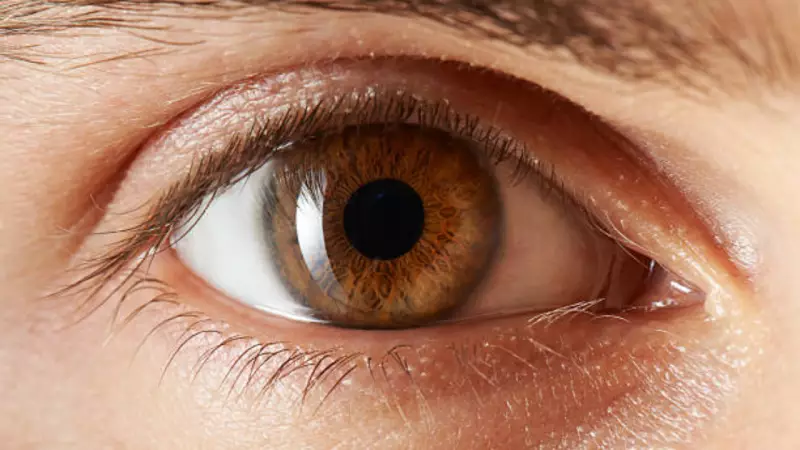
We often associate eye issues with vision problems like blurriness or strain. However, medical professionals emphasize that the eyes serve as a unique window into our overall systemic health. Conditions such as high cholesterol and diabetes can develop stealthily, and their earliest warnings may manifest not with dramatic symptoms, but with subtle changes in and around the eyes.
Silent Alarms: What Your Eyelids and Iris Reveal
Two specific signs linked to lipid levels can appear on the surface of the eye. The first is the appearance of soft, yellowish patches on the eyelids, known as xanthelasma. These painless deposits, often near the inner corner of the eye, are composed of cholesterol. Their presence, even in individuals who feel perfectly healthy, can signal elevated blood cholesterol levels. Experts from institutions like Harvard Medical School note that xanthelasma warrants a lipid profile check, particularly for younger individuals or those with a family history of heart disease.
A second visual clue is a grey or white ring around the coloured iris, called corneal arcus. While common in older age, its appearance in people under 40 can be a red flag for high cholesterol. This ring forms due to fat deposits in the cornea and typically doesn't affect vision. The Mayo Clinic highlights that for younger adults, corneal arcus is often a prompt for doctors to recommend cholesterol screening due to its association with cardiovascular risk.

Vision Fluctuations and Diabetic Warning Signs
When it comes to diabetes, the eyes can send distinct signals. One of the most common is blurry or fluctuating vision. Unstable blood sugar levels can cause the eye's lens to swell, temporarily changing its focusing power. This leads to days where vision is clear and others where it is inexplicably blurry, or prescription glasses seem ineffective. As per insights from Johns Hopkins Medicine, such variable vision, especially when paired with symptoms like excessive thirst or fatigue, should prompt a blood sugar evaluation.
The Critical Signs That Demand Immediate Attention
Certain symptoms indicate possible damage to the eye's delicate blood vessels and require urgent medical care. These include persistent redness, seeing floating spots or flashes of light, and sudden vision loss. In diabetics, this could point to diabetic retinopathy, where high blood sugar damages retinal vessels. The condition can progress silently, without pain, making these visual changes crucial warnings that, if ignored, can threaten permanent eyesight.
Why Paying Attention to Your Eyes Matters
The eyes provide a rare non-invasive view of the body's blood vessels. Changes visible here might be the first indication of systemic issues hidden elsewhere. Early detection of conditions like high cholesterol and diabetes is paramount, as it allows for management through lifestyle modifications and timely treatment, potentially preventing severe complications like heart disease or vision loss. While not every eye change is alarming, persistent or specific patterns should never be dismissed. Sometimes, your eyes aren't just seeing the world—they're showing you what's happening within your body.






