

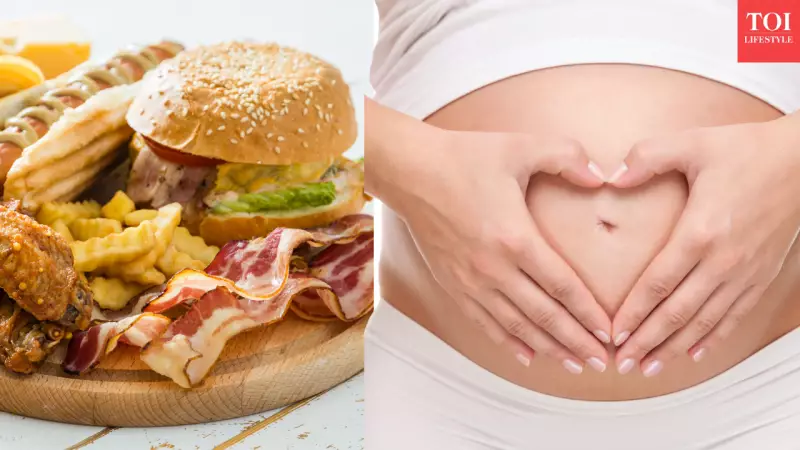
Expectant mothers often experience intense cravings for sweet, fried, or fatty foods. Groundbreaking new research now suggests that merely the smell of these foods during pregnancy might be enough to program unborn babies for a higher risk of obesity and diabetes later in life.
The Nose Knows: How Smells Reach the Fetus
Scientists from the Max Planck Institute for Metabolism Research have uncovered a surprising connection. Their study, published in the prestigious journal Nature, found that pregnant mice exposed to the odors of fatty foods passed on changes to their offspring, making the pups more prone to weight gain and insulin problems.
The research involved pregnant rodents fed a healthy, low-fat diet. However, this diet was infused with scents mimicking fatty foods like bacon. While the mothers remained lean and healthy, their babies developed differently. The pups' brains became wired to overeat, showing stronger hunger responses and weaker insulin control when they encountered high-fat food as adults.

Rewiring the Baby's Brain Through Scent
The key mechanism is how fetuses and newborns pick up odors. Unborn babies detect smells through the amniotic fluid, and newborns receive them via breast milk. This early sensory exposure can rewire critical brain circuits.
Specifically, fatty aromas impact the brain's dopamine pathways, which are tied to pleasure and motivation. They also alter AgRP neurons that control hunger and metabolism. This creates a brain pattern similar to that seen in obese animals, setting the stage for future health struggles.
Even artificial stimulation of newborn mouse brains with these fatty smells alone was enough to trigger adult obesity, proving that early life exposure sets a long-term course.
Not Just About Mother's Weight
This finding adds a crucial new layer to our understanding. Past research linked maternal overweight to child obesity. However, this study shows that even lean, healthy mothers can pass on the same risks if their meals carry strong fatty odors. It's more about the sensory signal than the mother's own weight or calorie intake.
The study highlighted foods with potent fat scents, such as bacon, butter, cheese, and red meats, which are loaded with saturated fats. These differ from healthier fats found in avocados or nuts, which lack the same strong aromatic signals.
Practical Steps for Expectant and Nursing Mothers
Researchers emphasize that not every whiff is problematic. The effect requires mothers to actually eat the scented foods, not just be near the smells. However, cooking fatty meals daily during pregnancy or nursing raises exposure through cooking vapors and breast milk.
Human noses also become sharper during pregnancy, making food odors more noticeable and potentially heightening this imprinting effect. To mitigate risks, experts suggest several steps:
- Balance meals with plenty of fresh produce, lean proteins, and whole grains to reduce the dominance of fatty foods.
- Opt for grilling or baking fish and chicken instead of frying.
- Use herbs and spices for flavor without relying on heavy fats.
- Ventilate kitchens well to decrease lingering cooking odors.
- If breastfeeding, choosing lower-fat options can help limit the amount of fat aroma transferred into milk.
Doctors may soon consider advising odor-conscious eating alongside traditional calorie and nutrition guidance. For now, the research underscores the profound impact of subtle habits. Pregnancy helps set a child's food blueprint, and this study shows it happens one breath at a time.
This mouse-based research warrants human trials, but the patterns align with known concepts of prenatal programming. Early exposures shape lifetime tastes and metabolism, potentially explaining why some children are drawn more strongly to junk food. Families can benefit by modeling varied, healthy plates, as children often mimic parental habits, turning small, mindful swaps into lasting health advantages.






